The Common Mistake
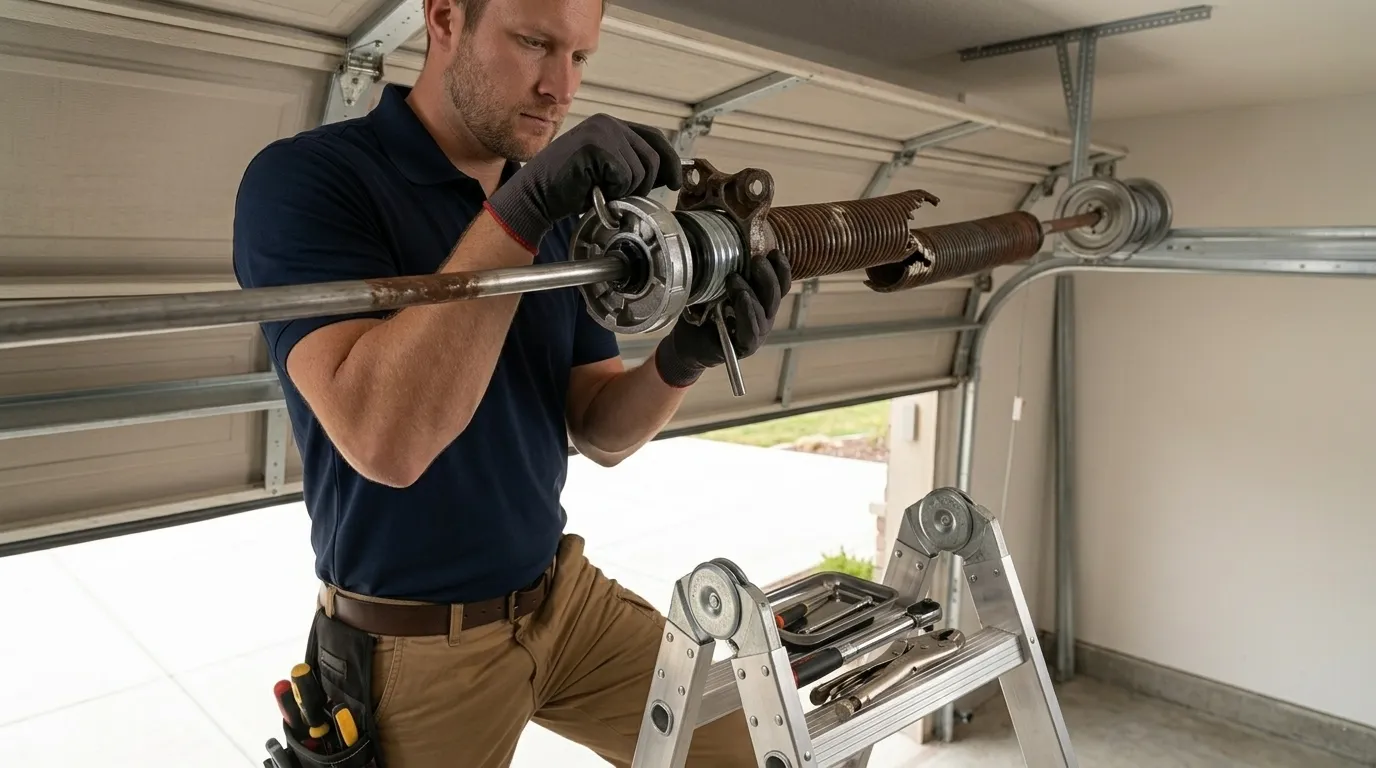
The mistake we see most is treating a garage door like it doesn't need attention until it stops working. On a door installed during that 1974-2003 building run, the spring and the opener are both original more often than not, and both have already absorbed years of heat cycling most owners never think about.
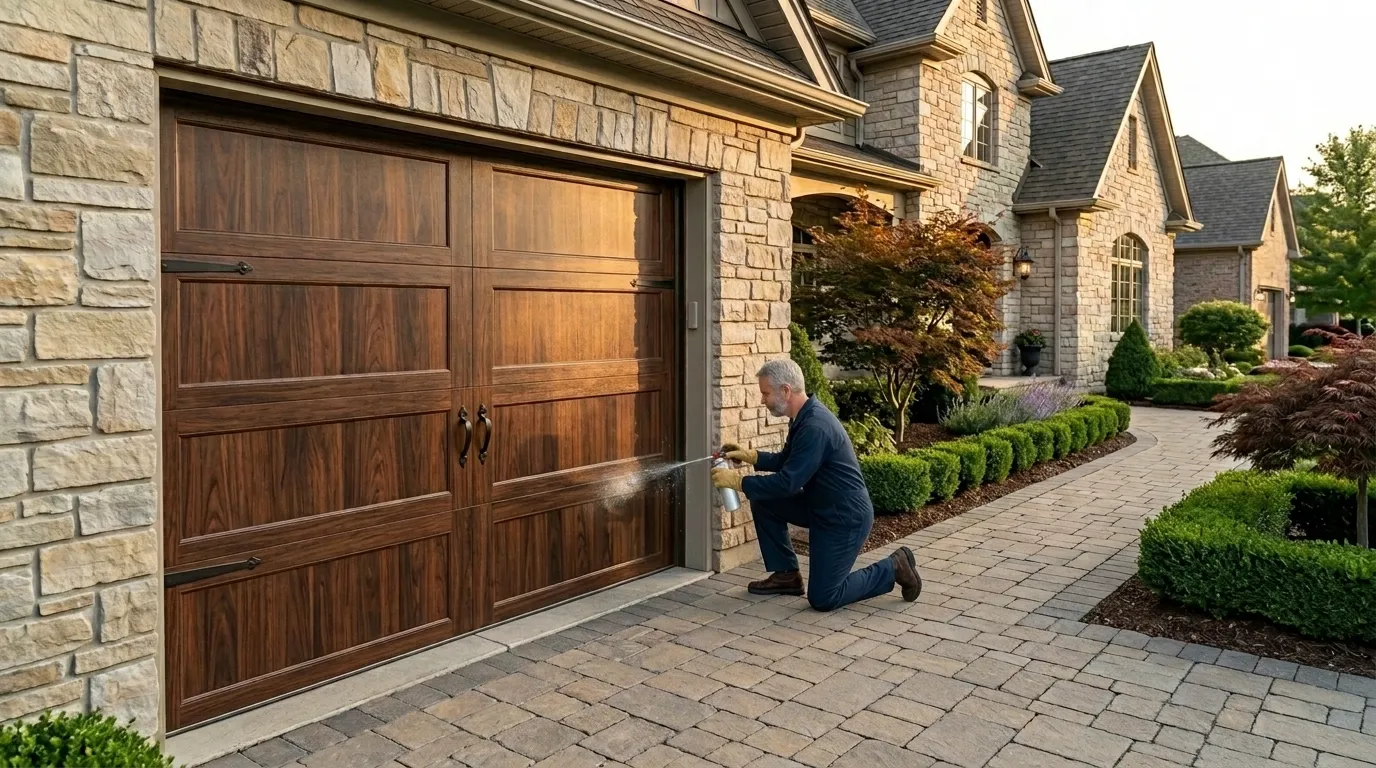
A second version of the same mistake is lubricating with whatever's on the shelf. Heavy grease in a hot garage picks up dust and grit off the floor and turns gummy inside the coils, which speeds up wear instead of slowing it. A light, dry-type lubricant made for garage door springs holds up better here than the all-purpose can most people reach for.
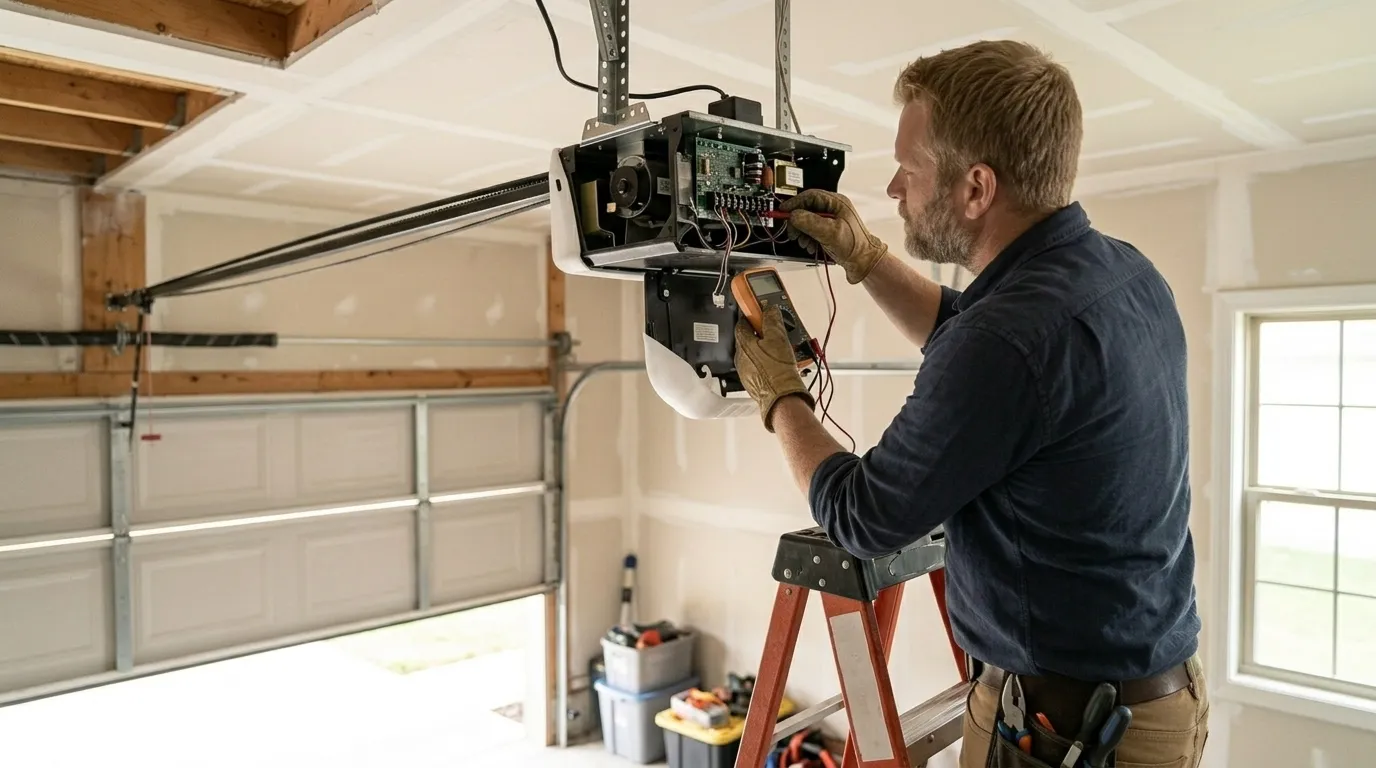
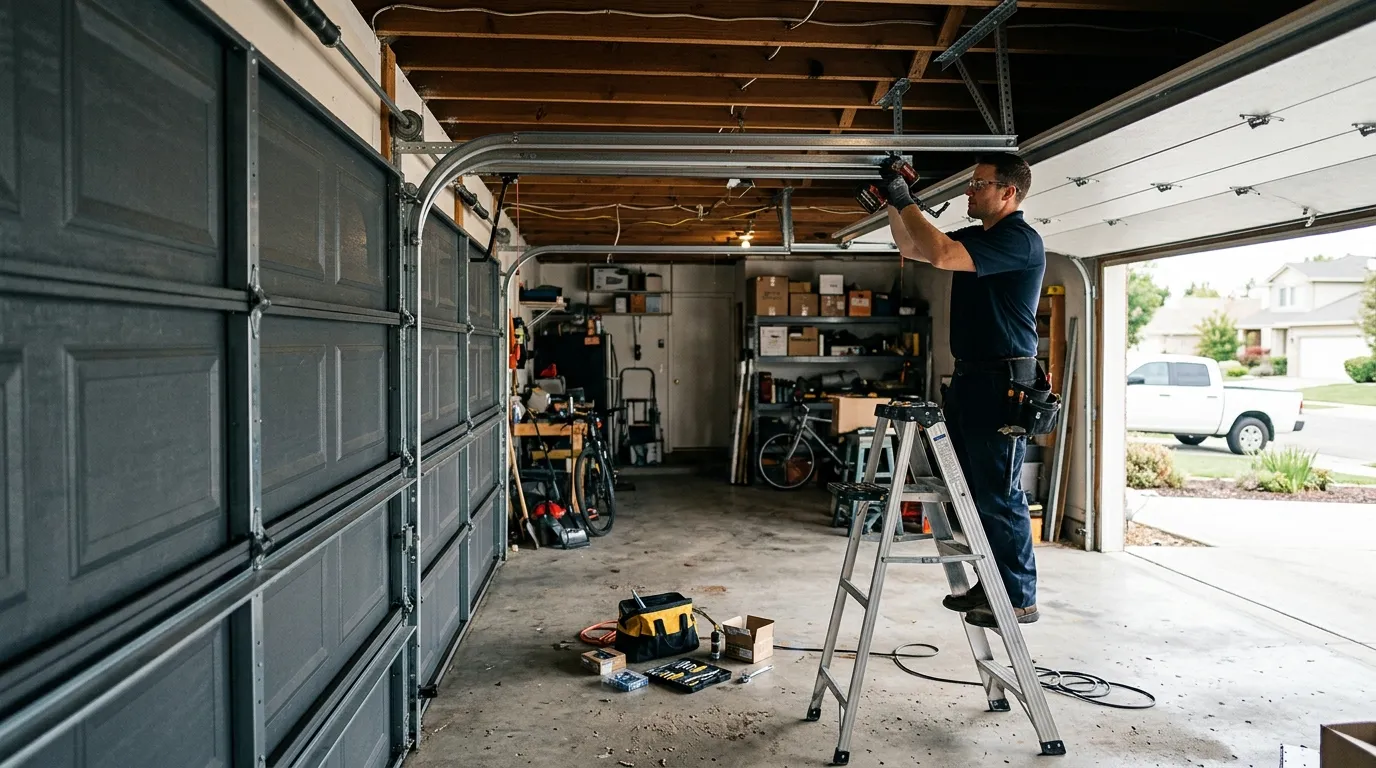
The third mistake is skipping the balance check. Disconnect the opener, lift the door by hand halfway, and let go. It should hold. If it drops or shoots up, the spring's tension is off, and running the opener against that imbalance for another six months burns out the motor faster than the heat alone would. On a house from this era, that's an original opener doing work it wasn't built to keep doing, and it's usually cheaper to catch the spring problem than to replace the opener that failed trying to compensate for it.
What You Pay
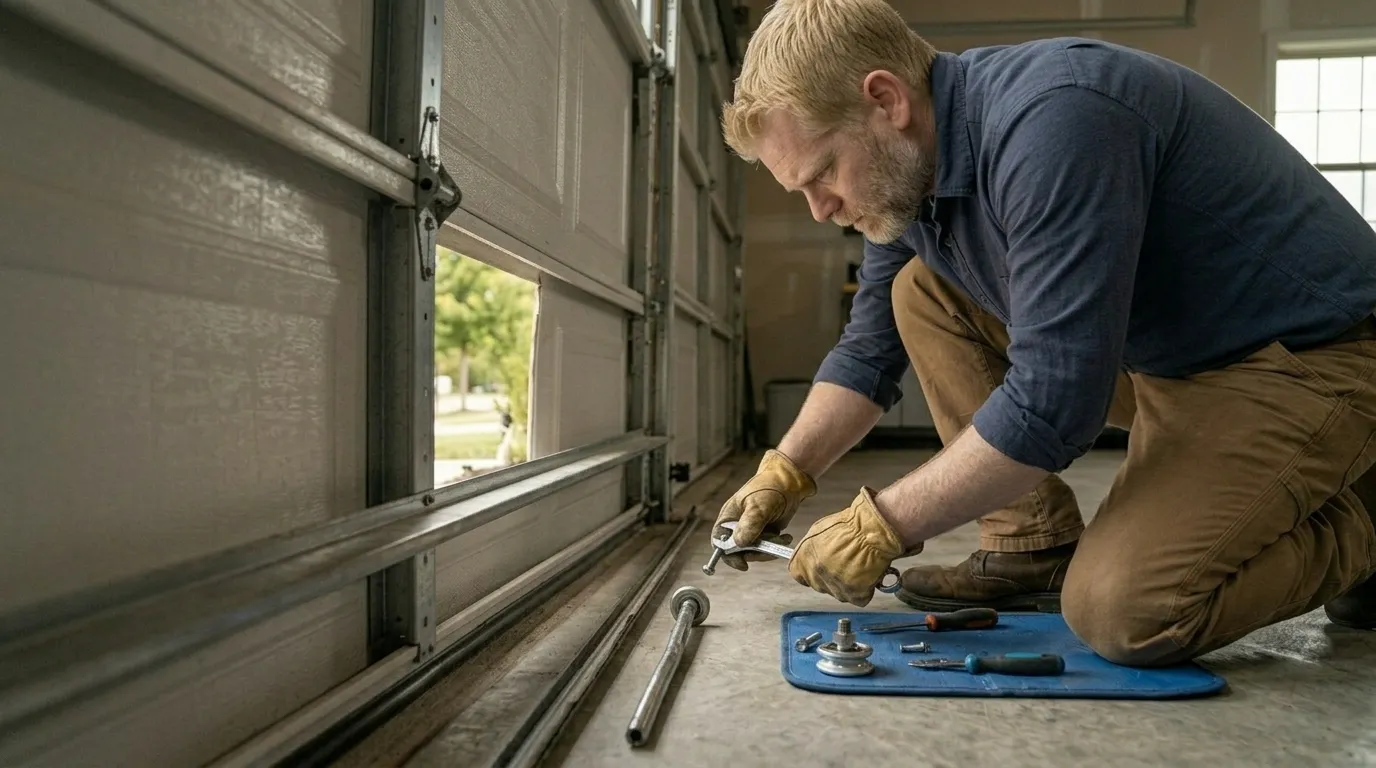
There's no flat number we can hand out here, because what a job costs depends on what's actually failed and how old the hardware is, and we're not going to pretend otherwise with a price we can't back up. A worn torsion spring on a 1980s door is a different job than a full opener swap, and a door with expired parts availability is a different conversation than one where the spring size is still common.
With a median household income of $65,781 here, most owners want a straight answer on what a spring or opener replacement costs before they commit, and that's a fair ask. What we can tell you honestly is that we won't quote a number over the phone without seeing the door - the age of the spring, the condition of the tracks, whether the opener is original to the house - all change the math. If a repair would cost close to what a comparable new setup runs, we'll say so plainly rather than sell a patch job on hardware that's near the end of its life.
The one thing worth planning for: on original hardware from this housing era, parts for older opener models can take longer to source than the repair itself. That's the honest limitation - sometimes the wait on a part is longer than the wait on us.