How It Shows Up
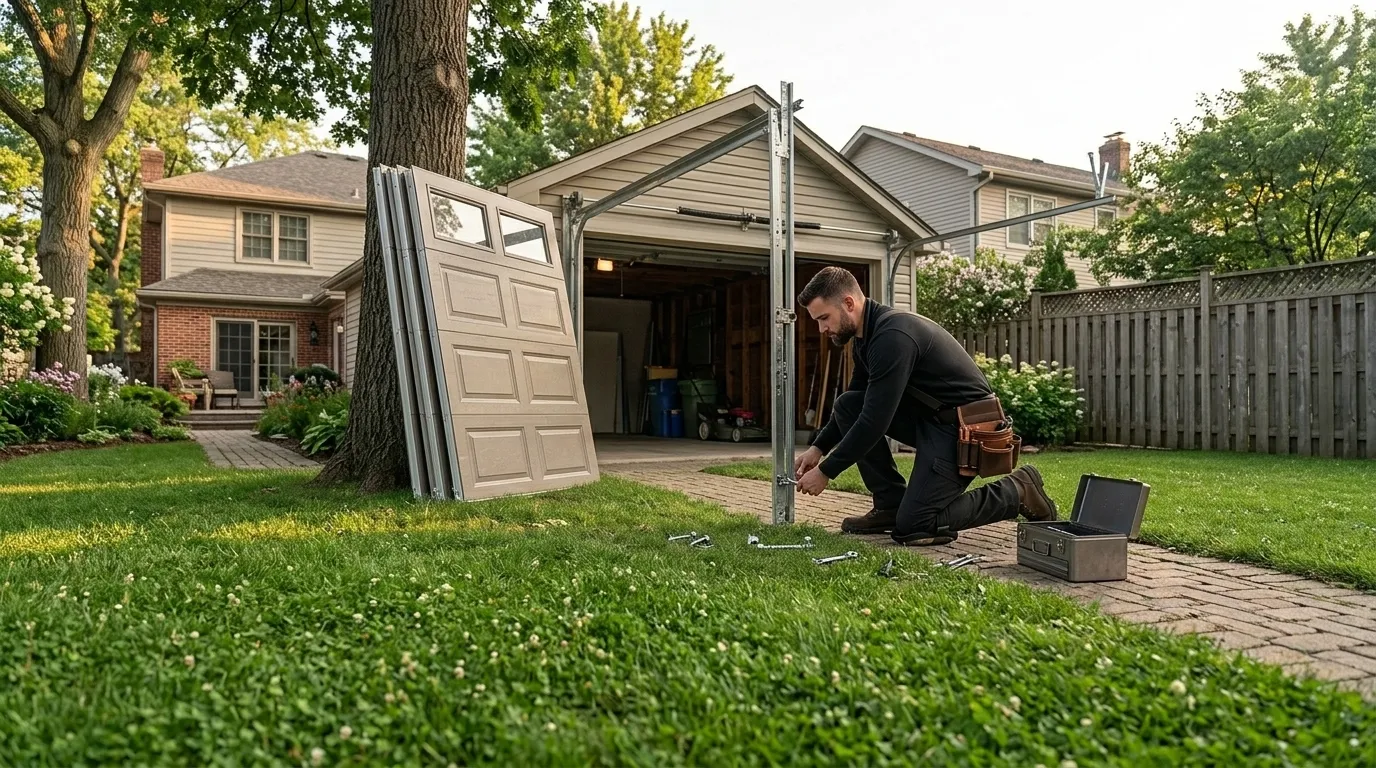
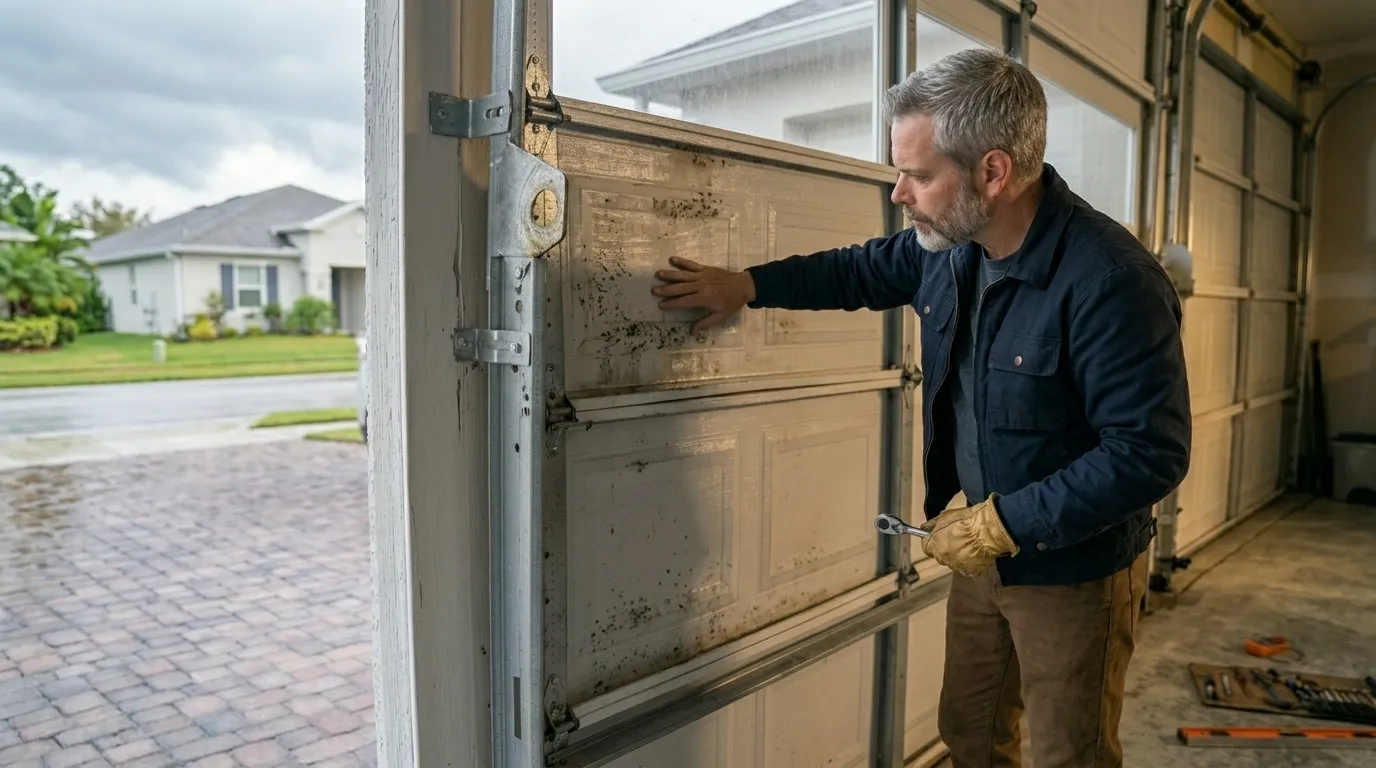
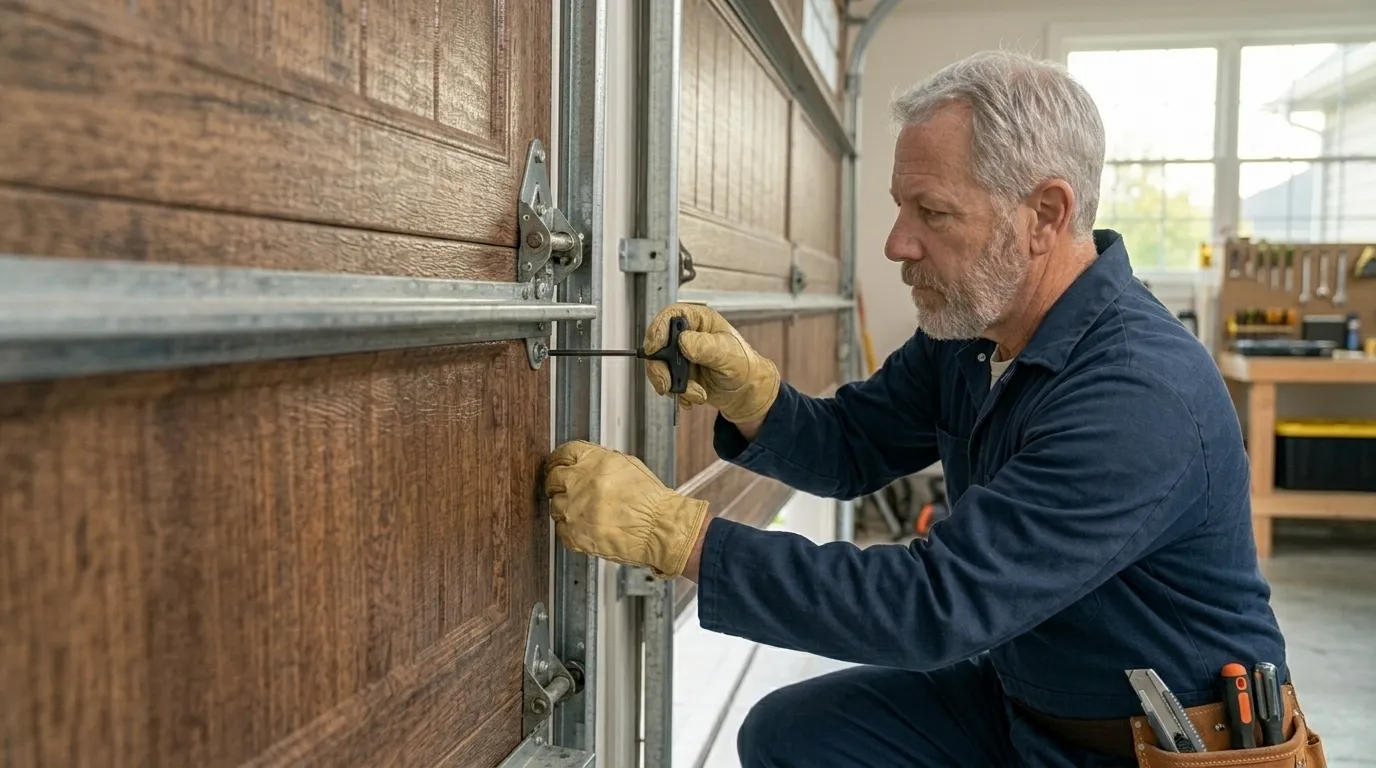
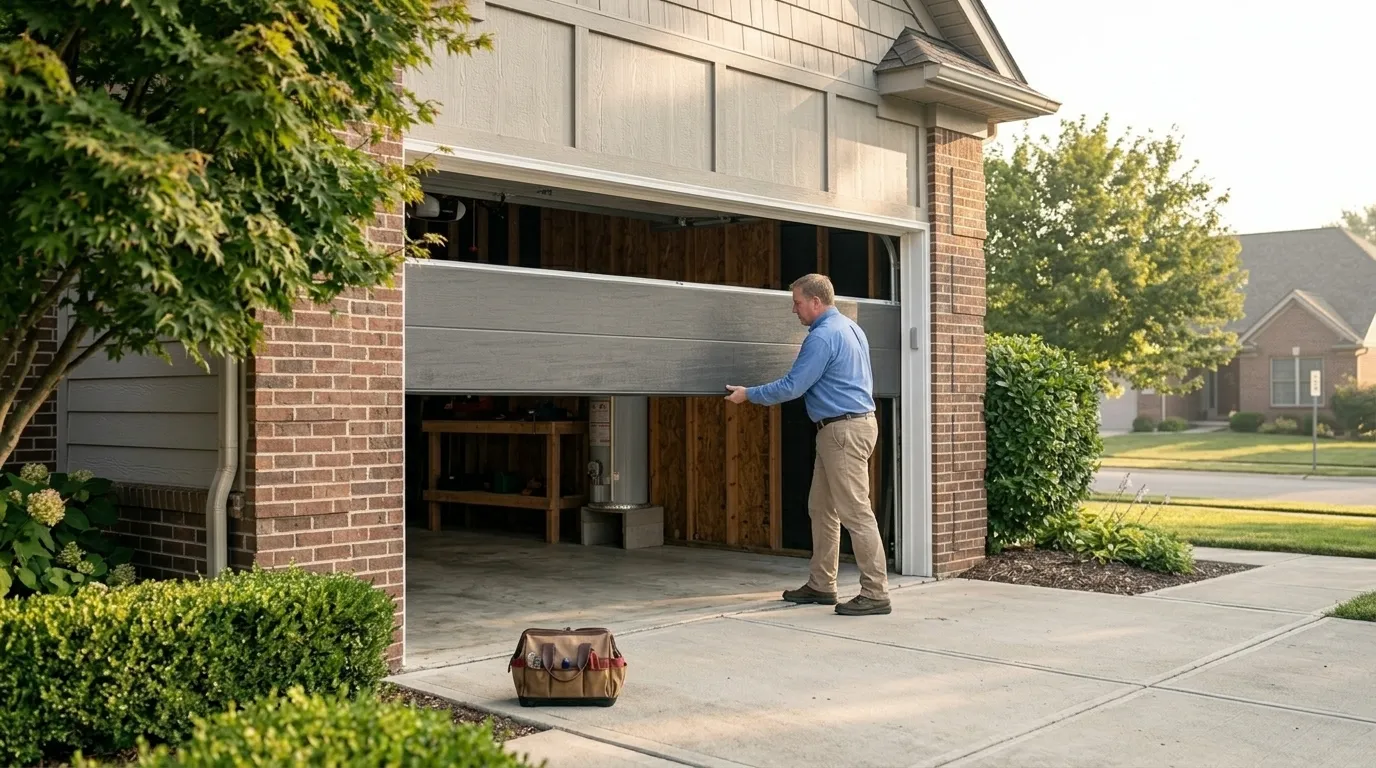
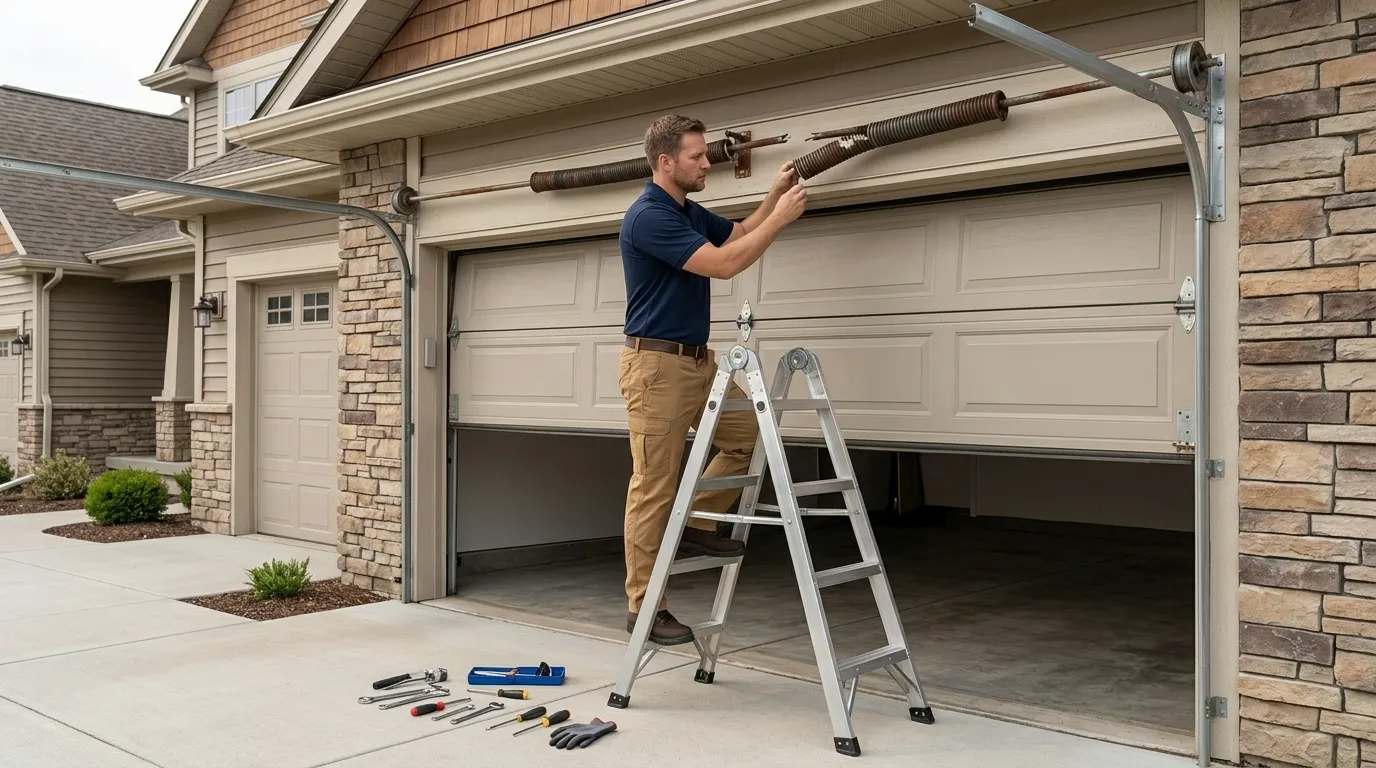
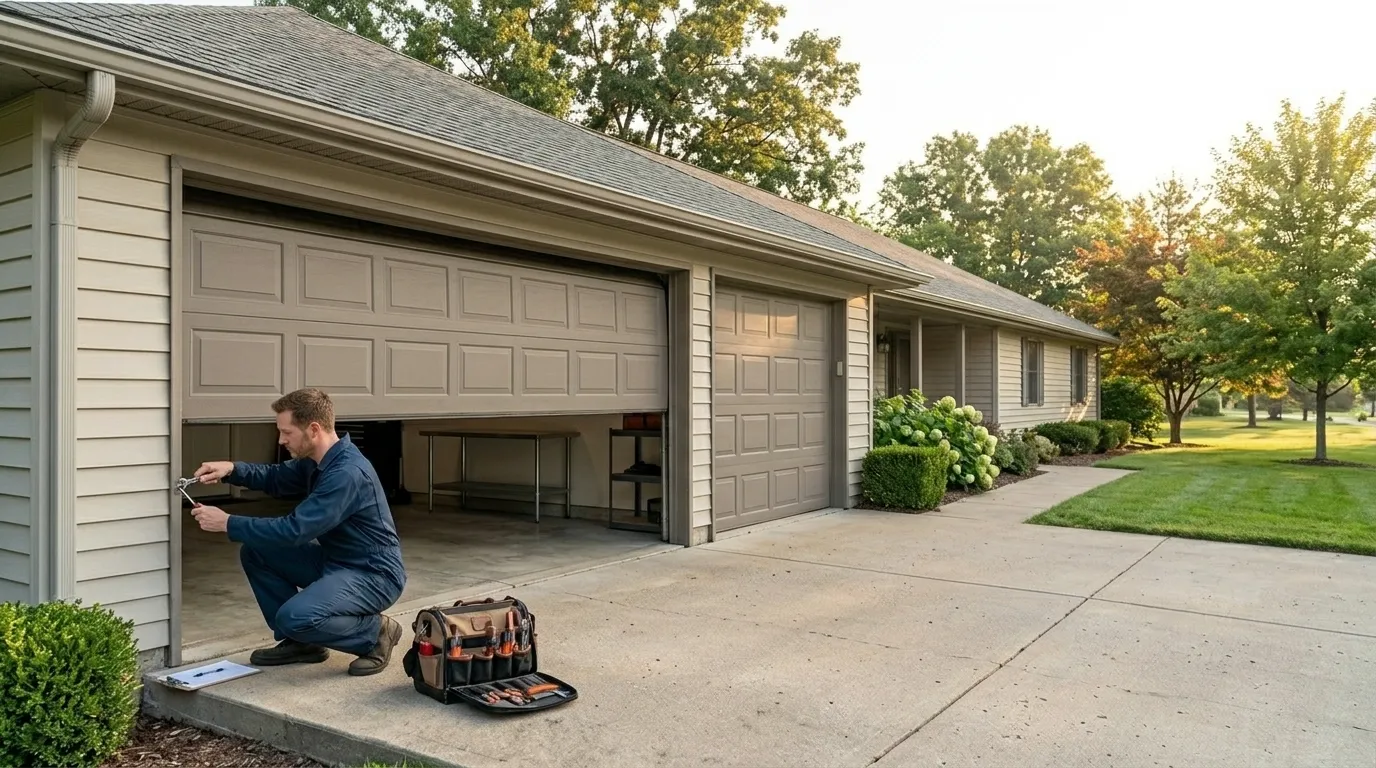
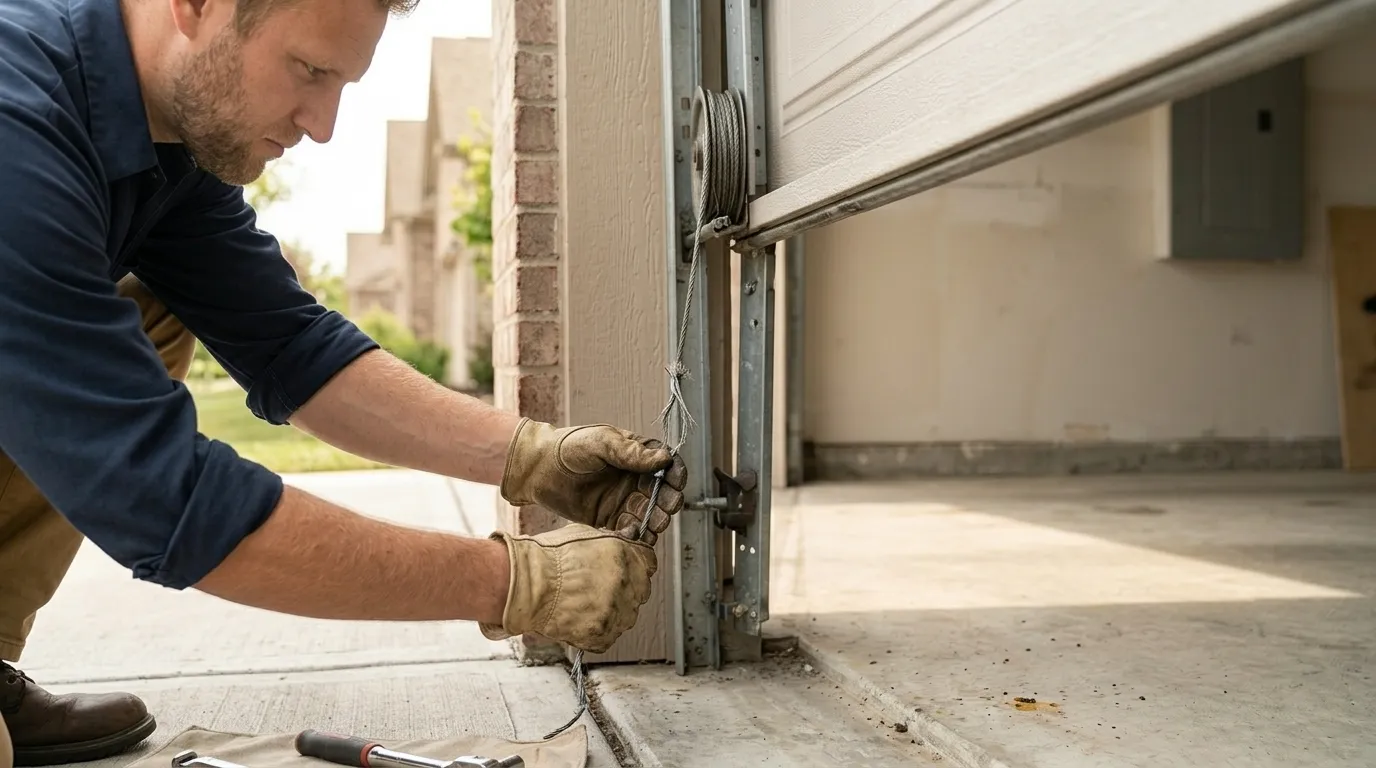
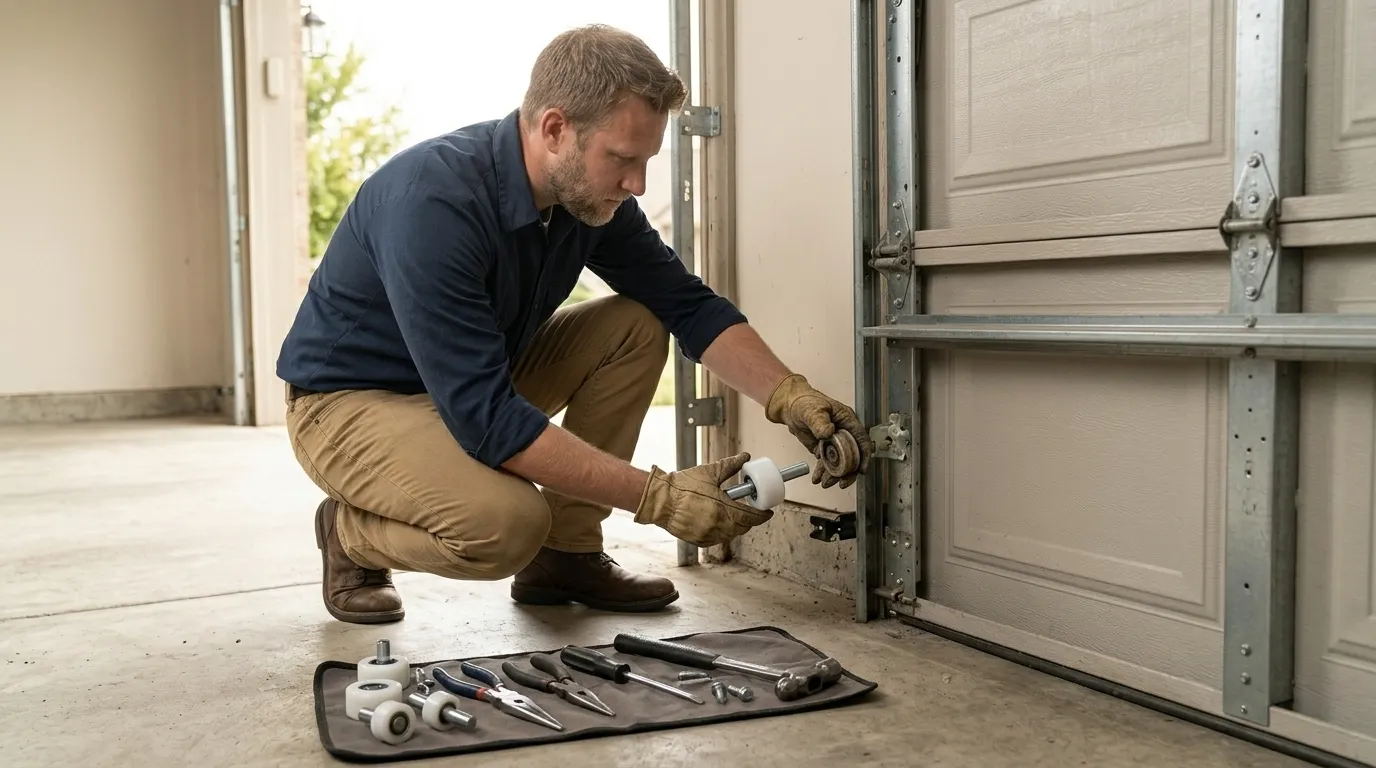
The call usually starts one of two ways. Either the opener has died outright - motor hums but the door doesn't move, or it's dead silent - or it's still running but doing something it shouldn't: reversing on its own, drifting off the safety sensors, or grinding on the gears. In houses from the 1980s and 90s stock that makes up most of this service area, a lot of what we find is the original opener, or a first replacement from the 90s or early 2000s, finally giving out after decades of use in a hot, dusty climate. The motor windings degrade, the logic board corrodes, or the drive gear (usually plastic) strips. Sometimes the door itself is fine and it's purely an opener problem - those are the easiest and cheapest calls. Other times the opener failure is masking a spring or cable issue that's been putting extra load on the motor, and that gets fixed first, because a new opener bolted to a bad door just fails again.
What Causes It Around Here
Heat is the main driver. This area sits in a severe heat climate band, and garage interiors here regularly run well above outdoor temperature in summer. Opener motors, logic boards, and drive belts age faster under sustained heat cycling than they would in a milder climate, and that shows up as premature gear wear, capacitor failure, and sensor drift years before you'd expect it. Add to that a housing stock mostly built from 1974 to 2003 - meaning a large share of openers now installed are themselves 20 to 40 years old, past any reasonable service life regardless of brand. Dust from Valley agriculture works into track and sensor lenses too, which isn't an opener failure exactly but gets blamed on the opener when the real issue is a dirty photo-eye. We see this pattern across the towns we cover, not just in one neighborhood - Hanford, Armona, Lemoore, and the rest share the same building era and the same climate load.