
How It Shows Up
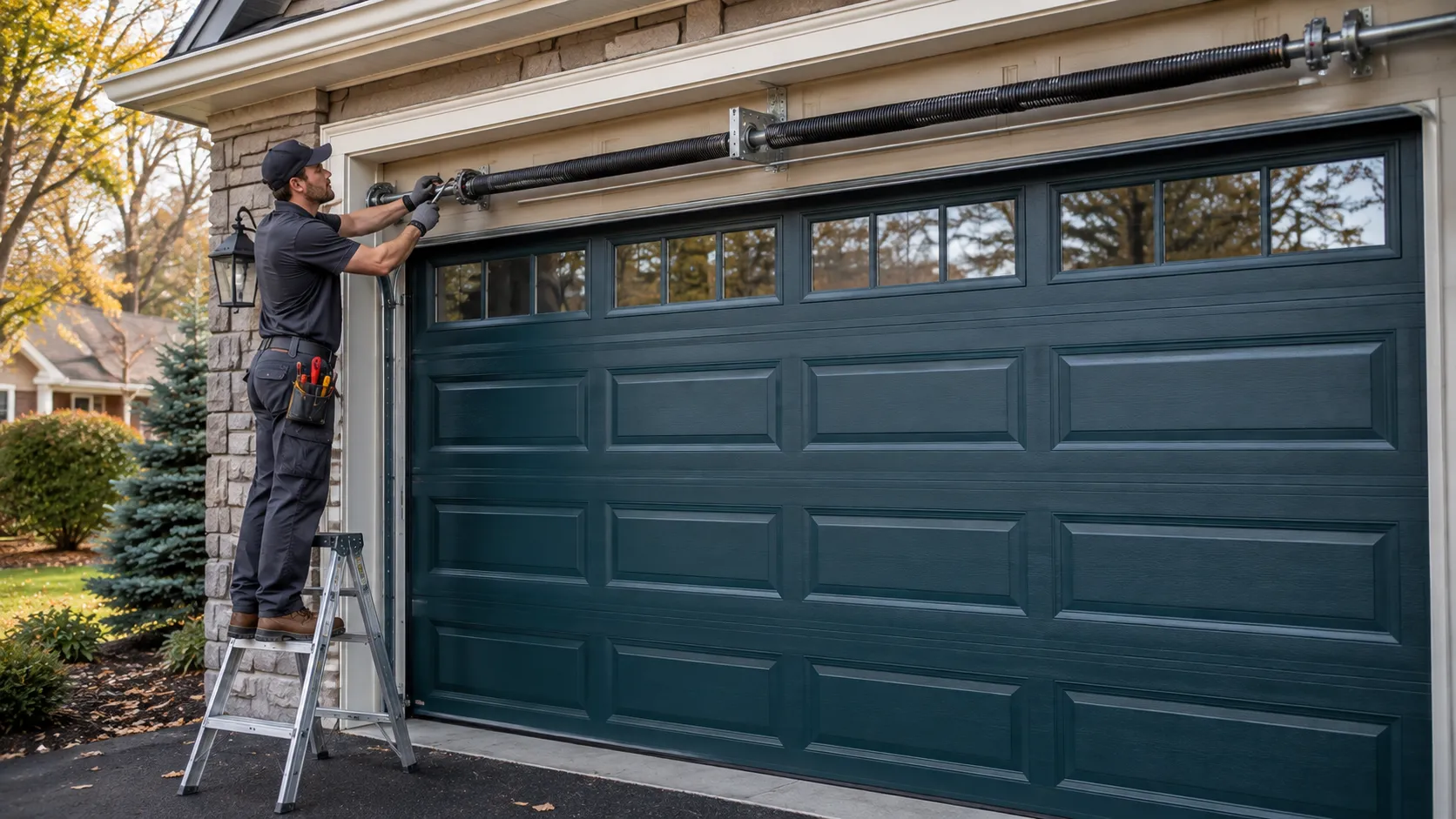
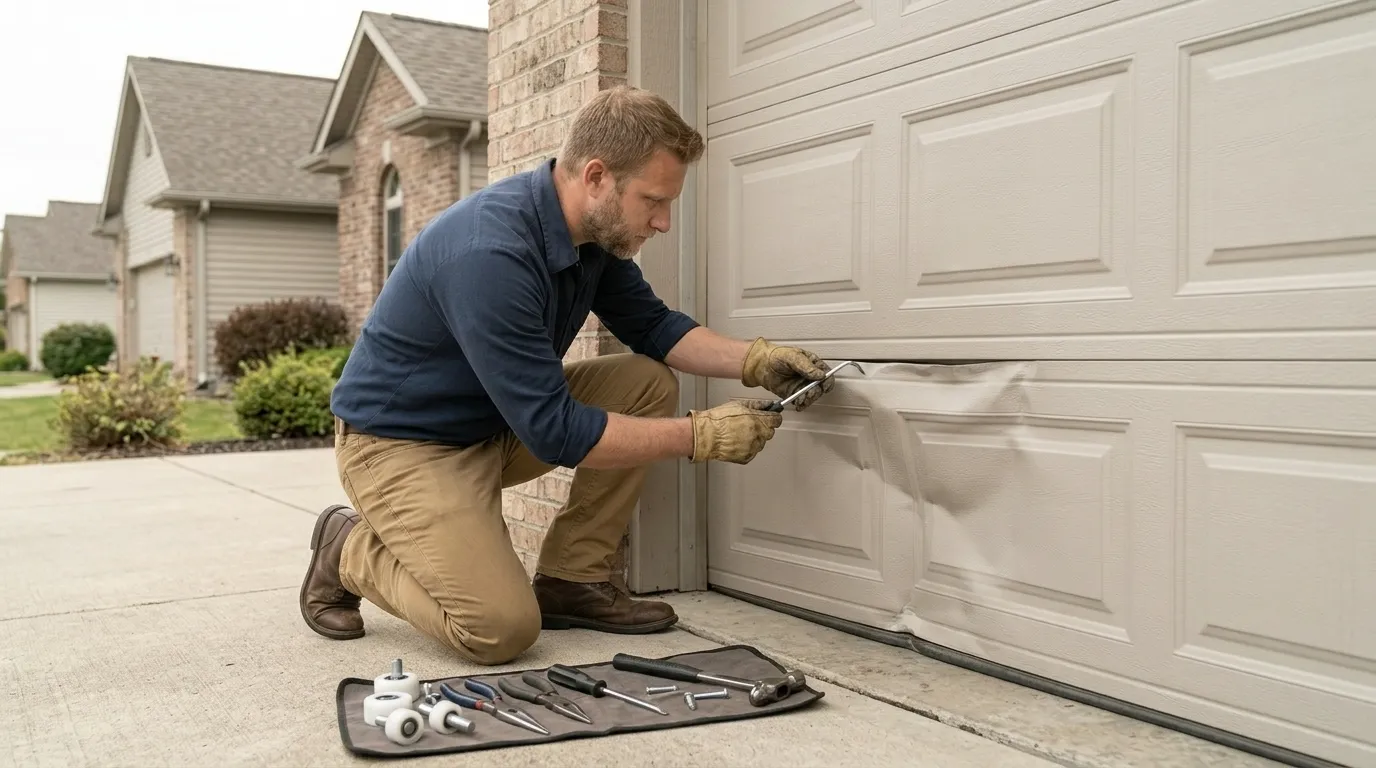
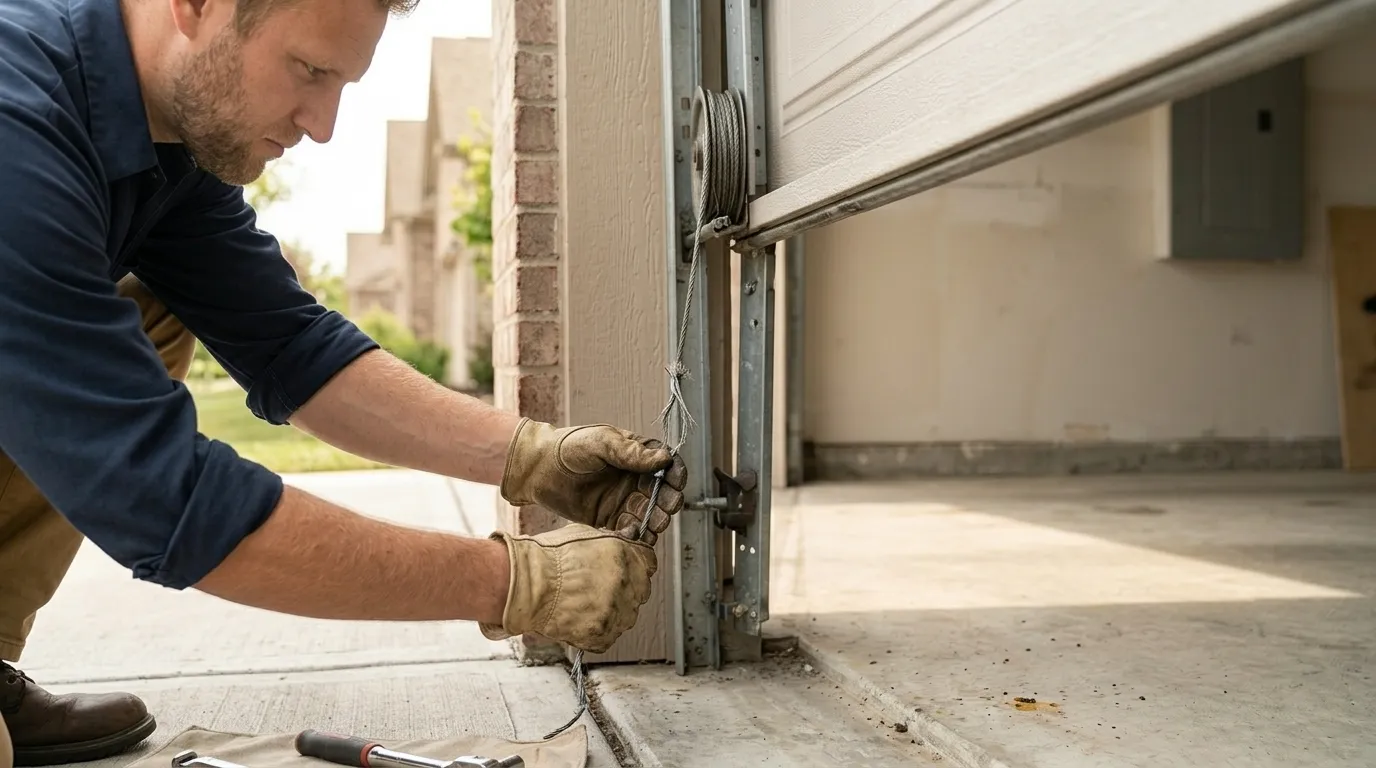
A spring failure sounds like a gunshot in the garage, and it happens without warning - the door won't budge, or it drops fast on one side when someone tries the opener anyway. That second scenario is the dangerous one, since a door coming down unevenly on a snapped cable can bend the track or crease a panel on the way.
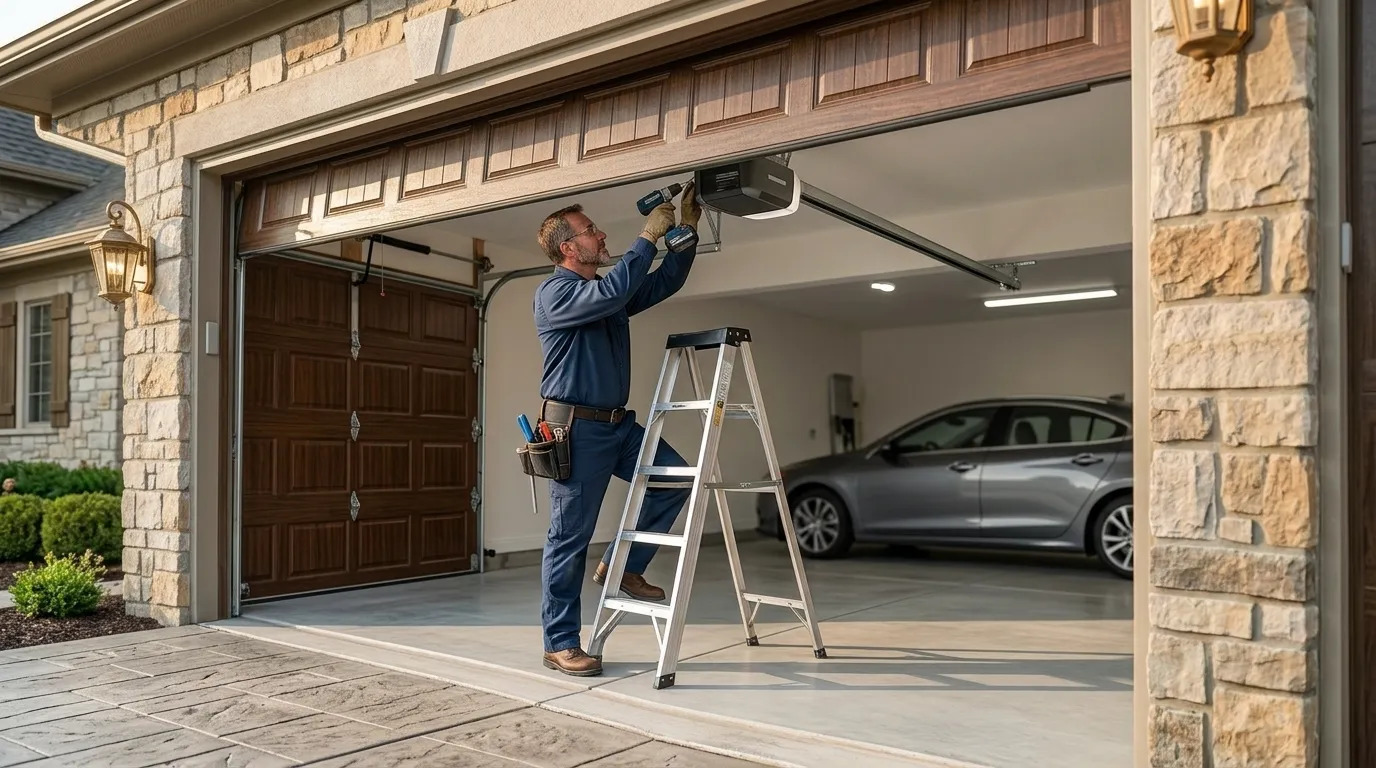
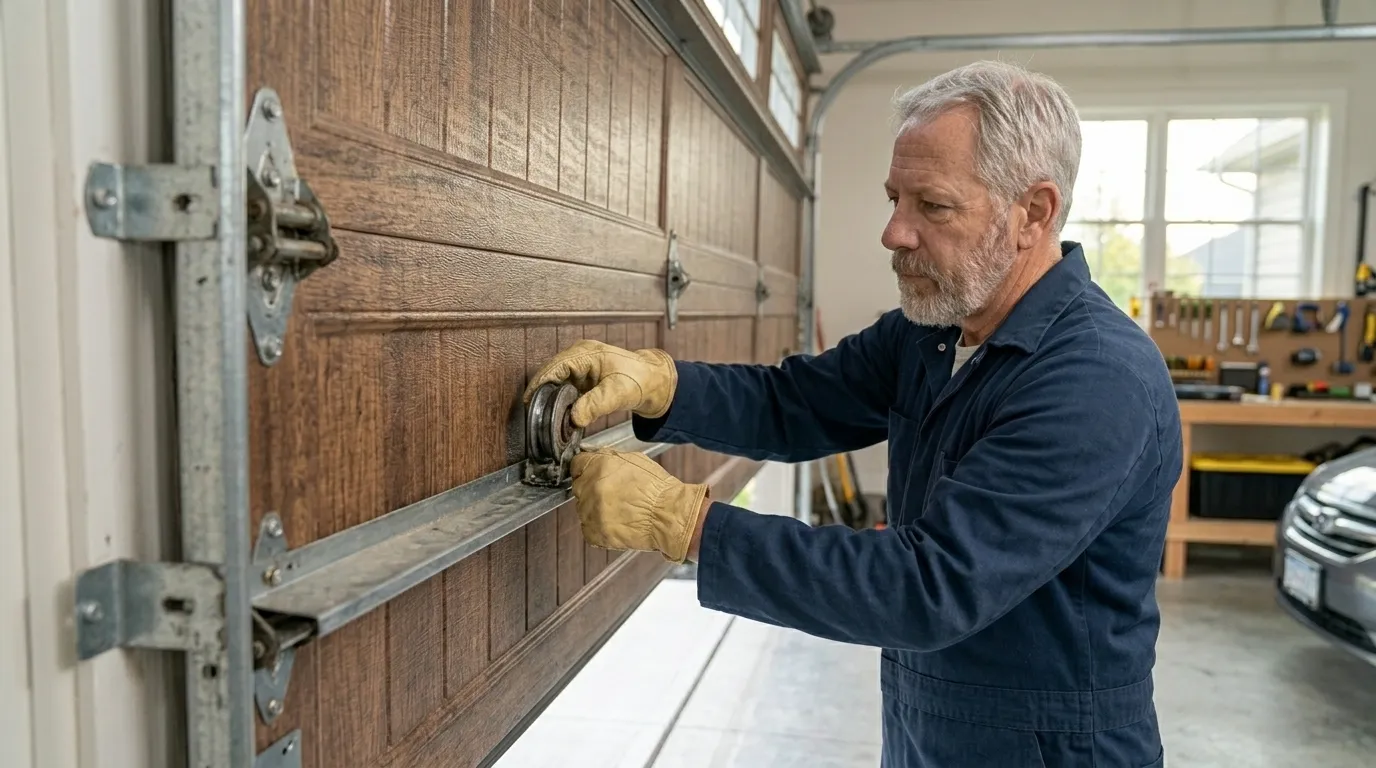
Worn rollers show up quieter: a scraping or grinding noise that gets louder over a few weeks, then the door starts binding partway up. Opener trouble on the older 1980s-era units in town usually looks like a door that reverses for no reason, or a remote that stopped working after the sun cooked the receiver board through a west-facing garage wall for a few summers.
How Long You Are Without the Door
We come out of Hanford, and Corcoran sits about 18 miles out - the far edge of the area we cover. That distance is worth knowing up front: it's not a same-day guarantee, and if you're calling on a Friday afternoon, plan on the fix landing the next business day rather than that evening.
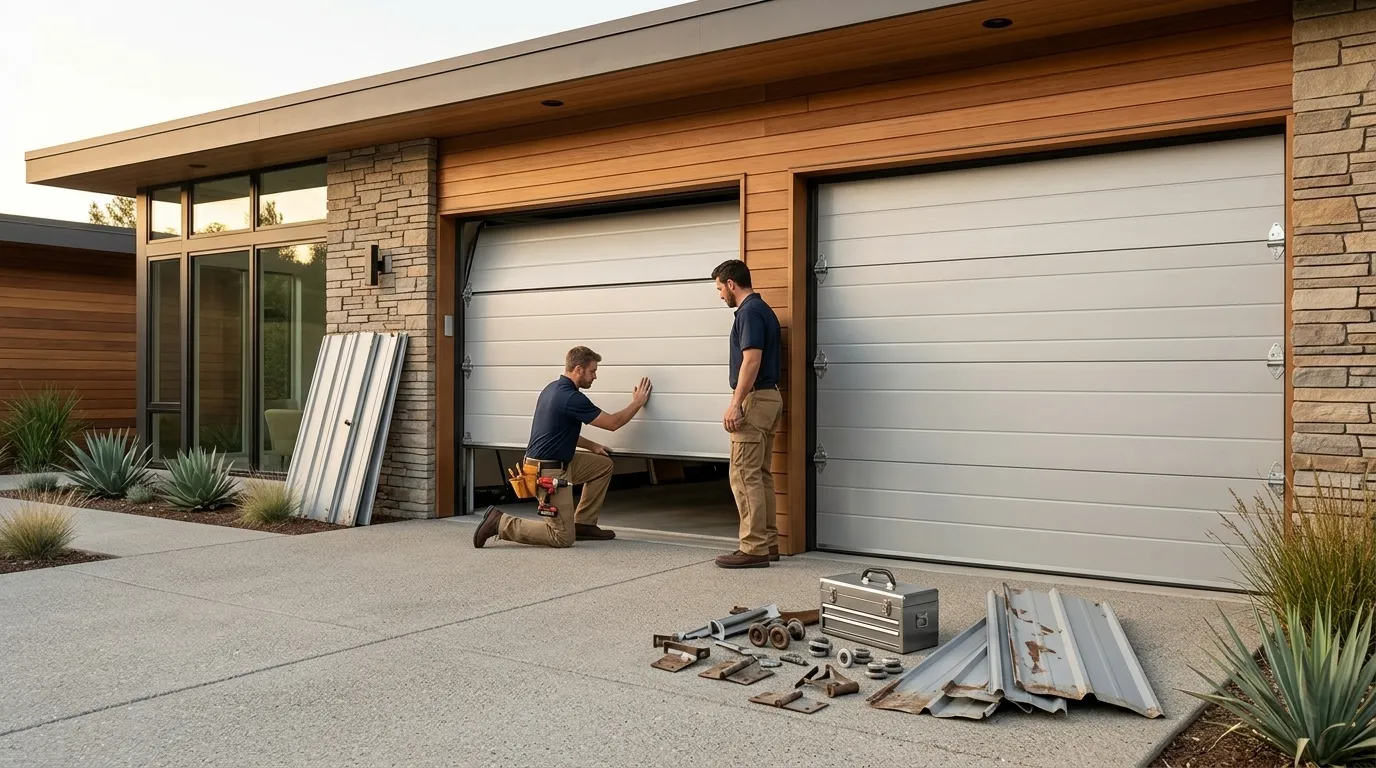
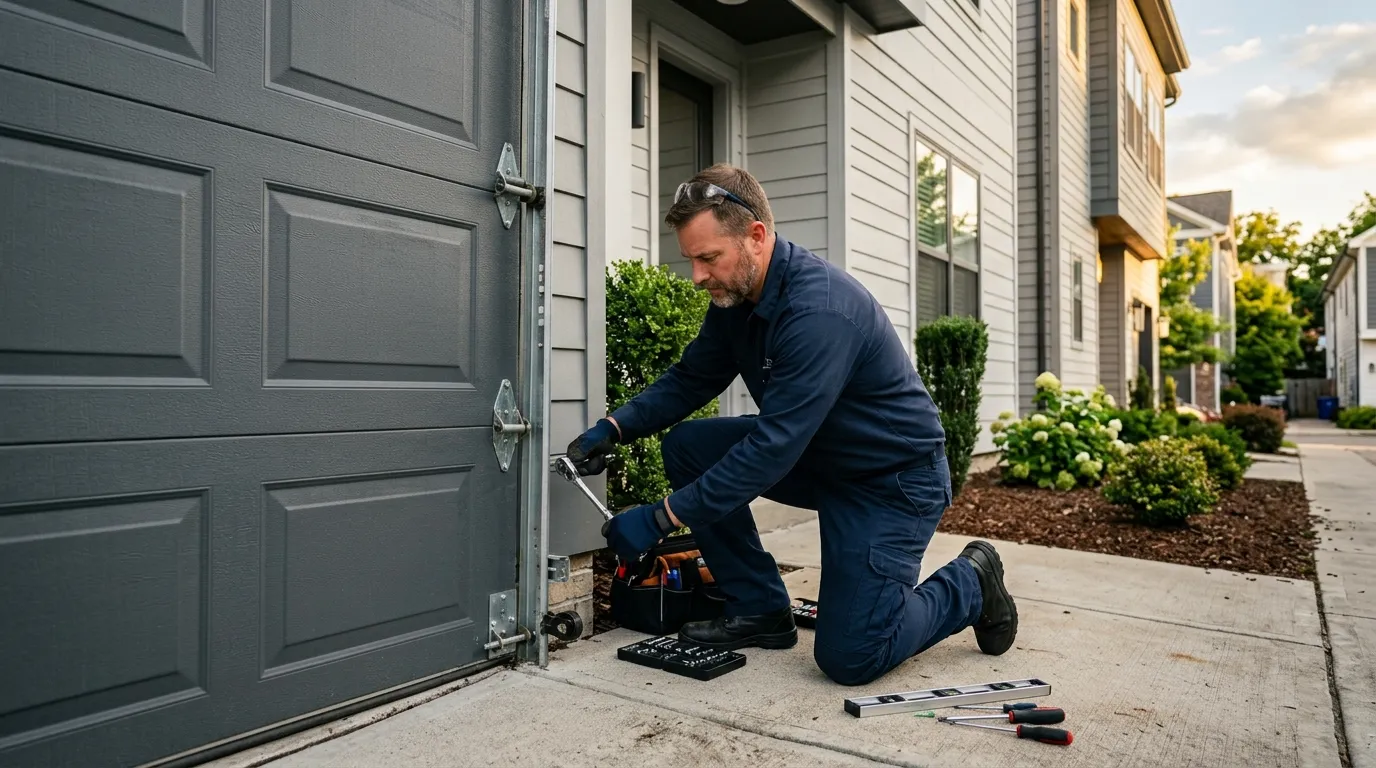
Most spring and roller jobs are a single visit once the truck is on site - the tech isn't waiting on a part for a common torsion spring or a roller set. Where it stretches out is a specific opener board or a matched panel for an older door; those sometimes have to be ordered, and that's a real limitation, not a sales line. If your door is original to a house built in the early 1980s, ask up front whether the part is one we carry or one we order.
What You Pay
We don't post a flat rate for Corcoran because the job depends on what's actually broken and how old the hardware is - a torsion spring swap on a standard door costs less than a full opener replacement, and a matched panel for an older door costs more than either. What we can tell you is that the drive itself, at 18 miles from Hanford, is factored into the price of the call rather than billed separately as a trip fee.
Given the median income here sits under the wider area's, we get it that cost matters going in - ask for the number on the specific part before the tech starts, not after. If a repair on an original 1980s door is going to run close to what a new door costs, we'll say so rather than patch something that's going to fail again in a year.