How It Shows Up
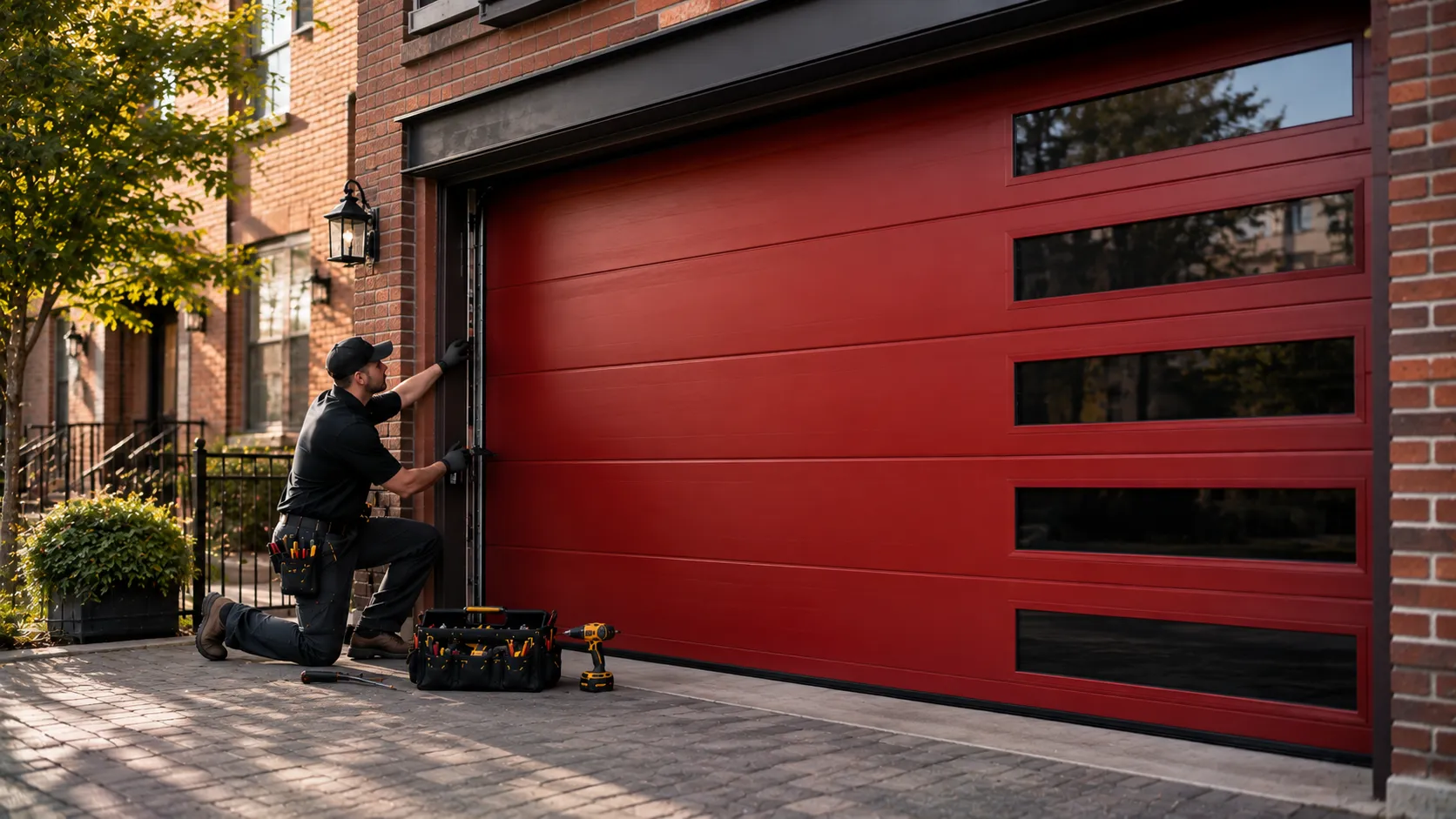
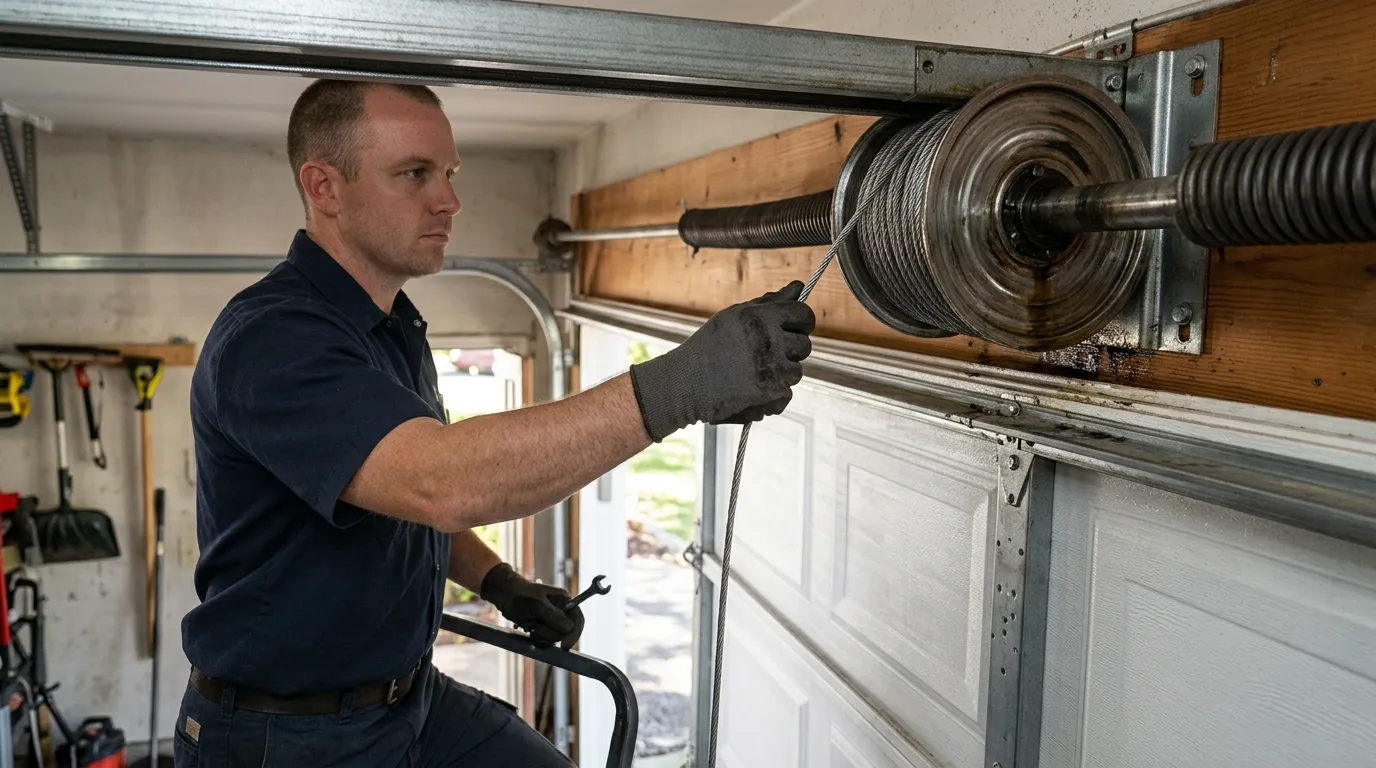
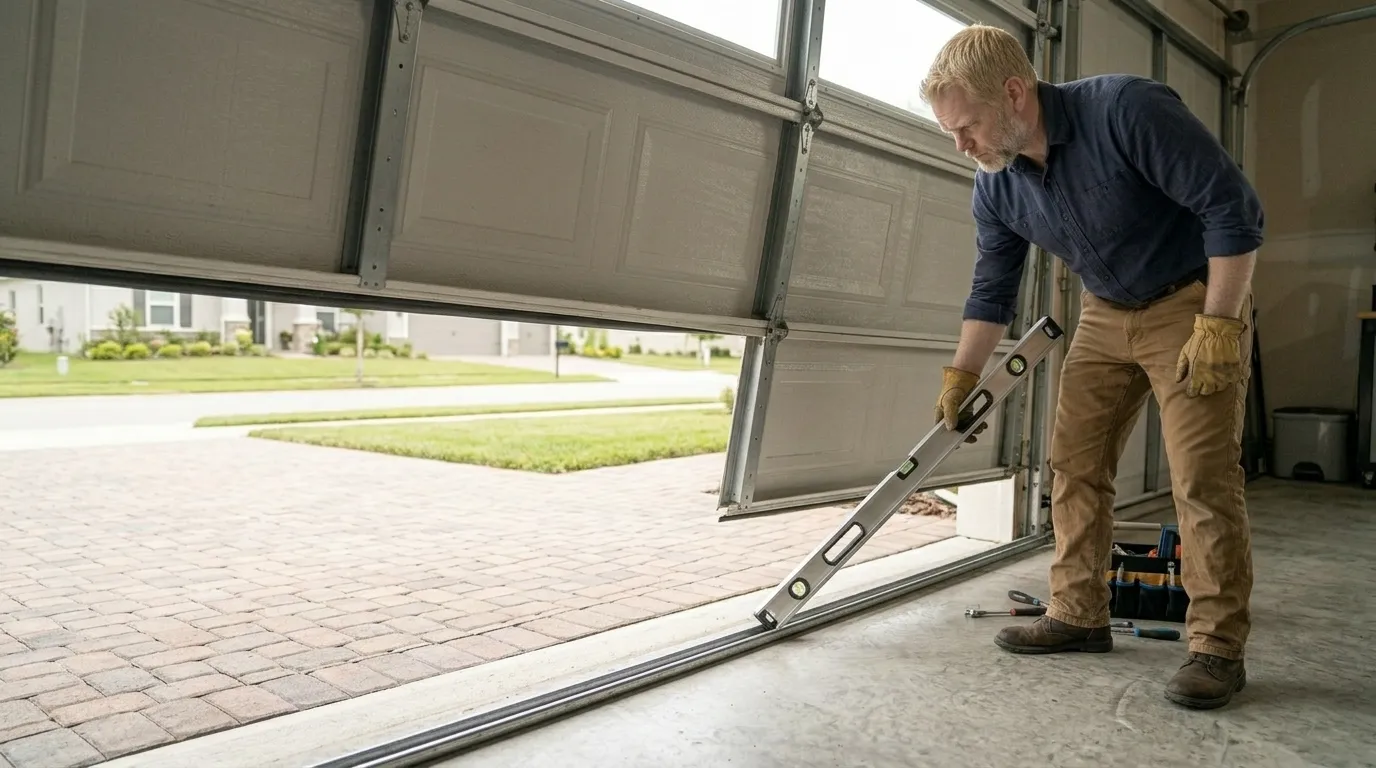
You notice a door in this condition before it fails outright. It sticks partway on the track, especially on the hottest afternoons when the metal has expanded. It rattles going up because the rollers are worn oval instead of round. The bottom seal has hardened and cracked, so light and dust come in along the slab. On single-layer steel doors from this build era, you'll also feel heat radiating off the inside surface in summer - there's no foam core to stop it, so the garage runs hotter than the house. None of that is an emergency. It's the slow kind of wear that tells you the door is closer to replacement than repair, and it's worth acting on before a spring or cable finally lets go on a door this old.
How Long You Are Without the Door
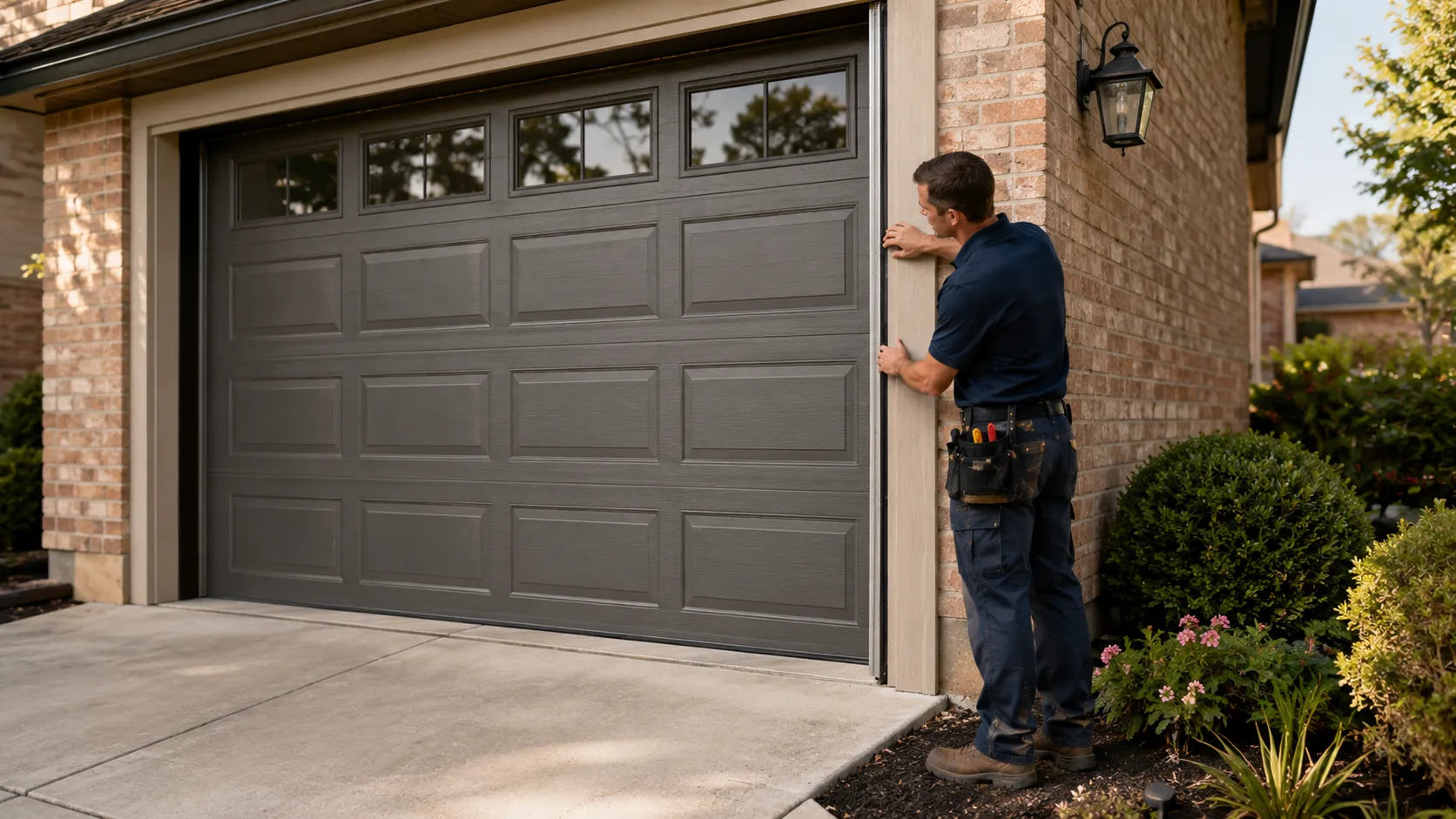
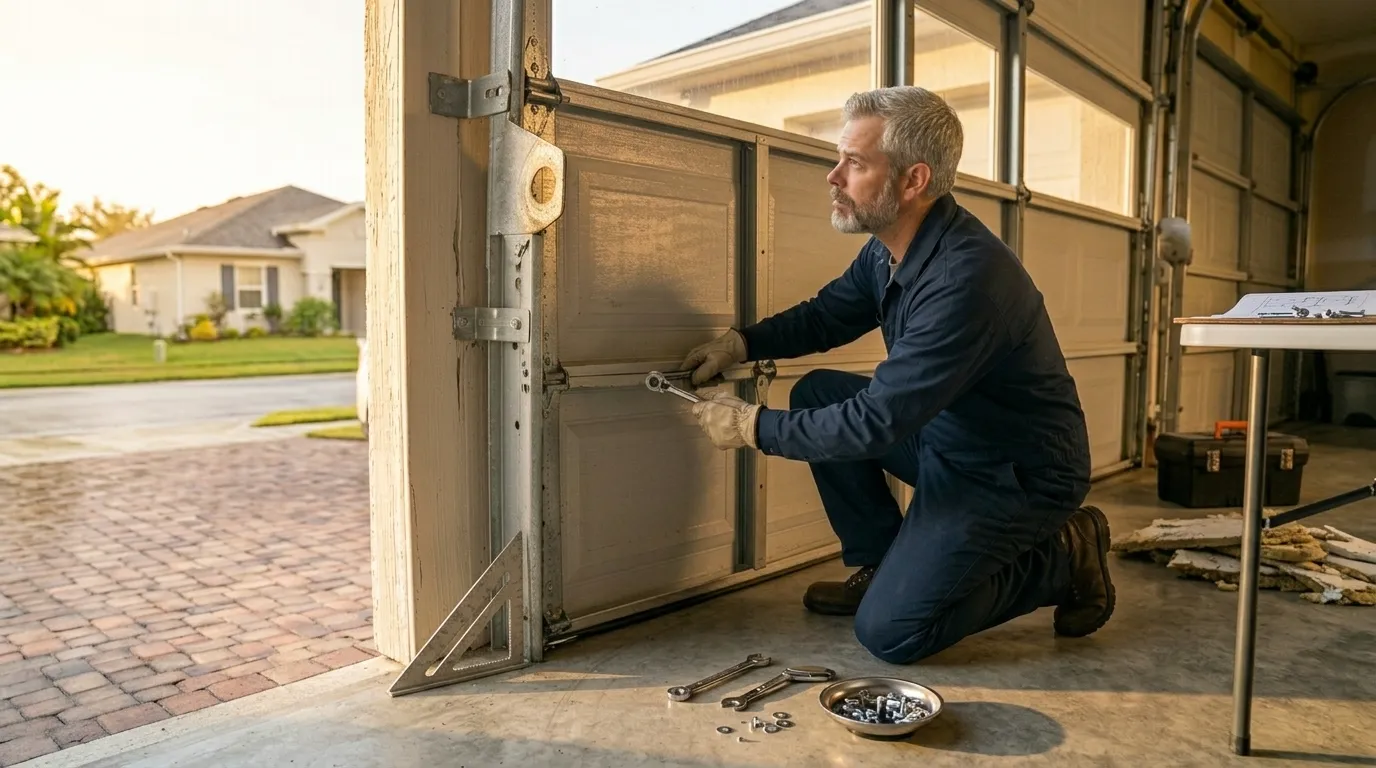
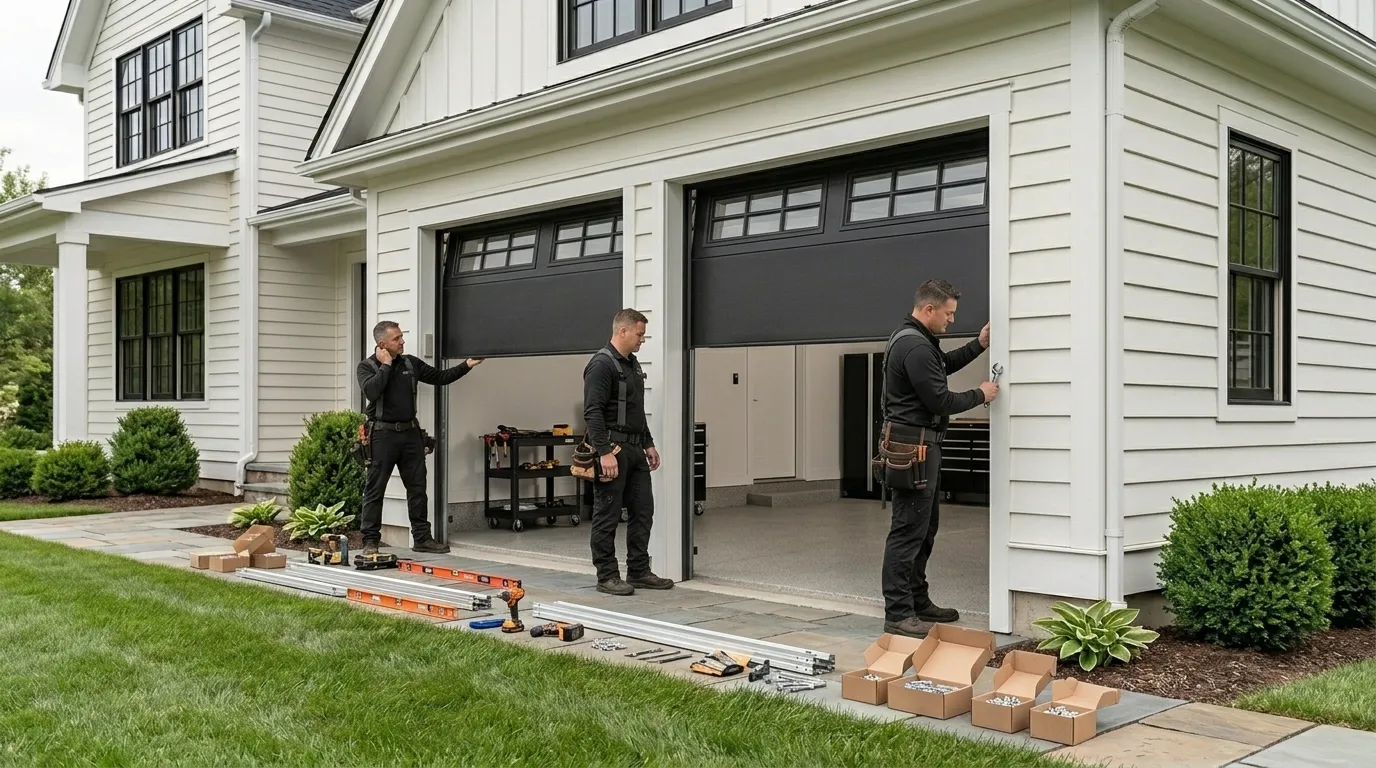
We run this out of Hanford, about 18 miles from Corcoran, so a new install here is scheduled rather than same-day. Once the door and hardware are on the truck, the physical swap - old panels off, new track and springs set, opener paired if you're replacing that too - is a single visit. What can add time is sourcing: if you're matching an odd width from a 1980s build or want an insulated panel for the heat, that part may need to be ordered before we come out. We'll tell you upfront if a size or style has to be special-ordered rather than promise a date we can't hold from 18 miles away.
What You Pay
We don't quote a flat number for a new door sight unseen, because size, insulation, and opener choice change the job. What we can tell you is what shapes the estimate in a town like this: a standard 16x7 steel replacement costs less than an insulated version, and insulation is worth weighing seriously here given the heat this area sees each summer. If you're also swapping the opener because the old one won't pair with new safety sensors, that's a separate line item. We'll walk the numbers with you before anything gets ordered, and if a repair still makes more financial sense than a full replacement, we'll say so.