
How It Shows Up
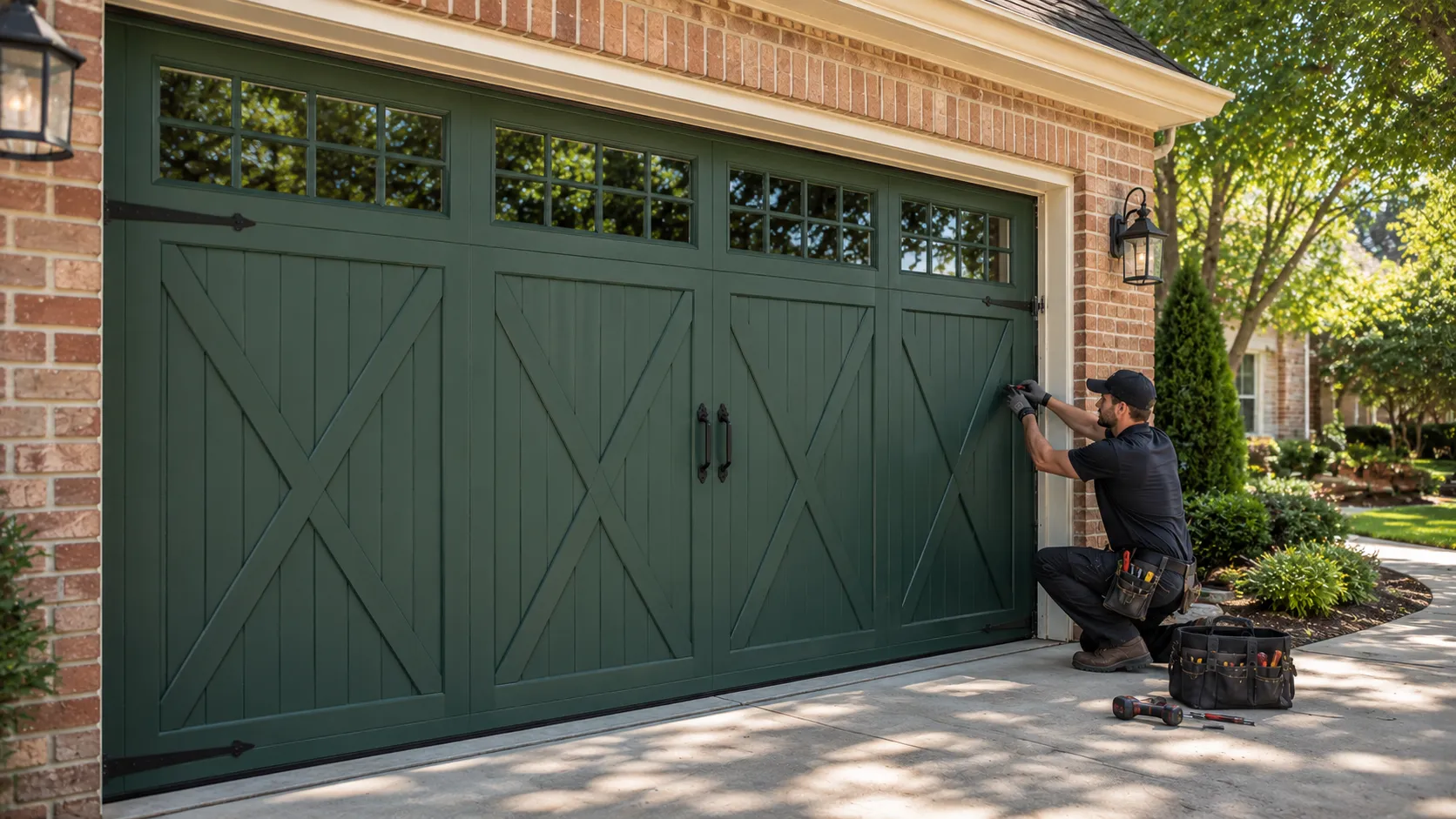
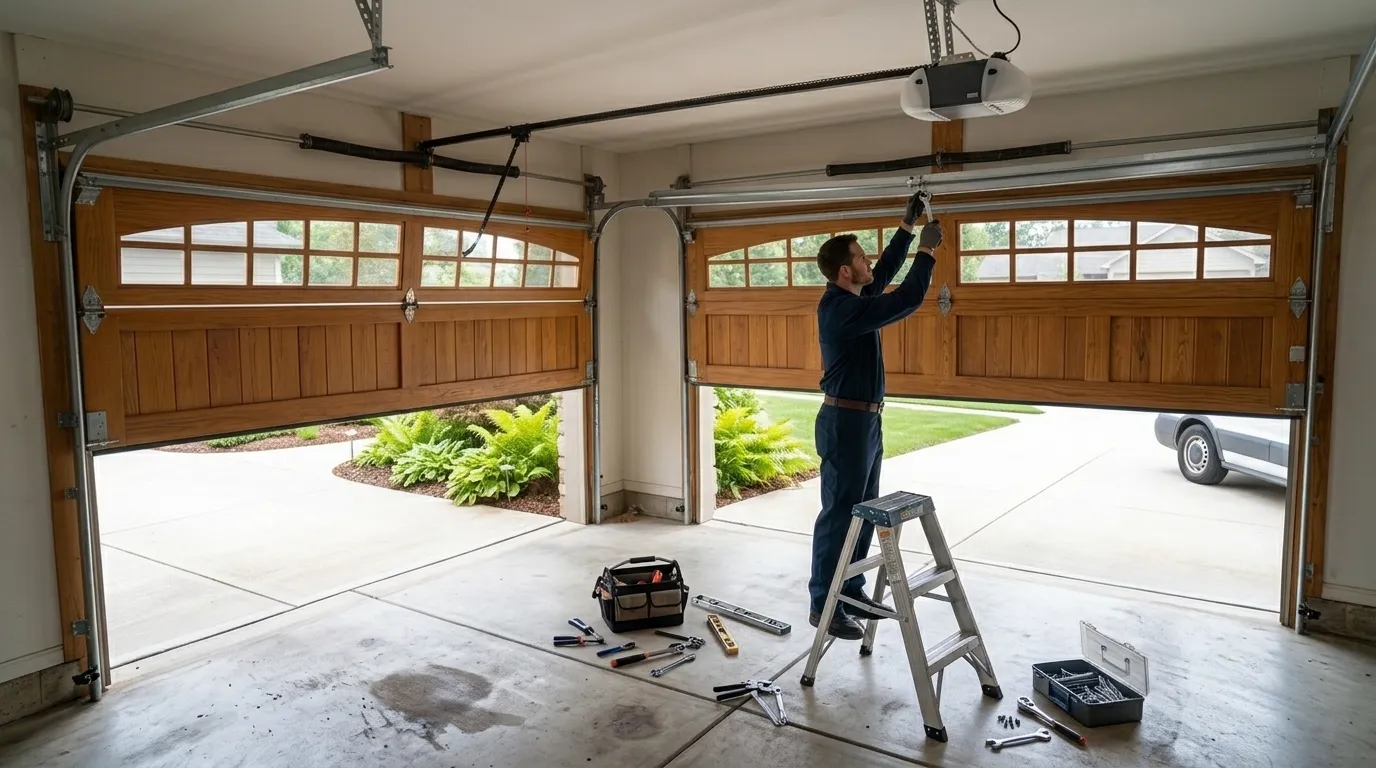
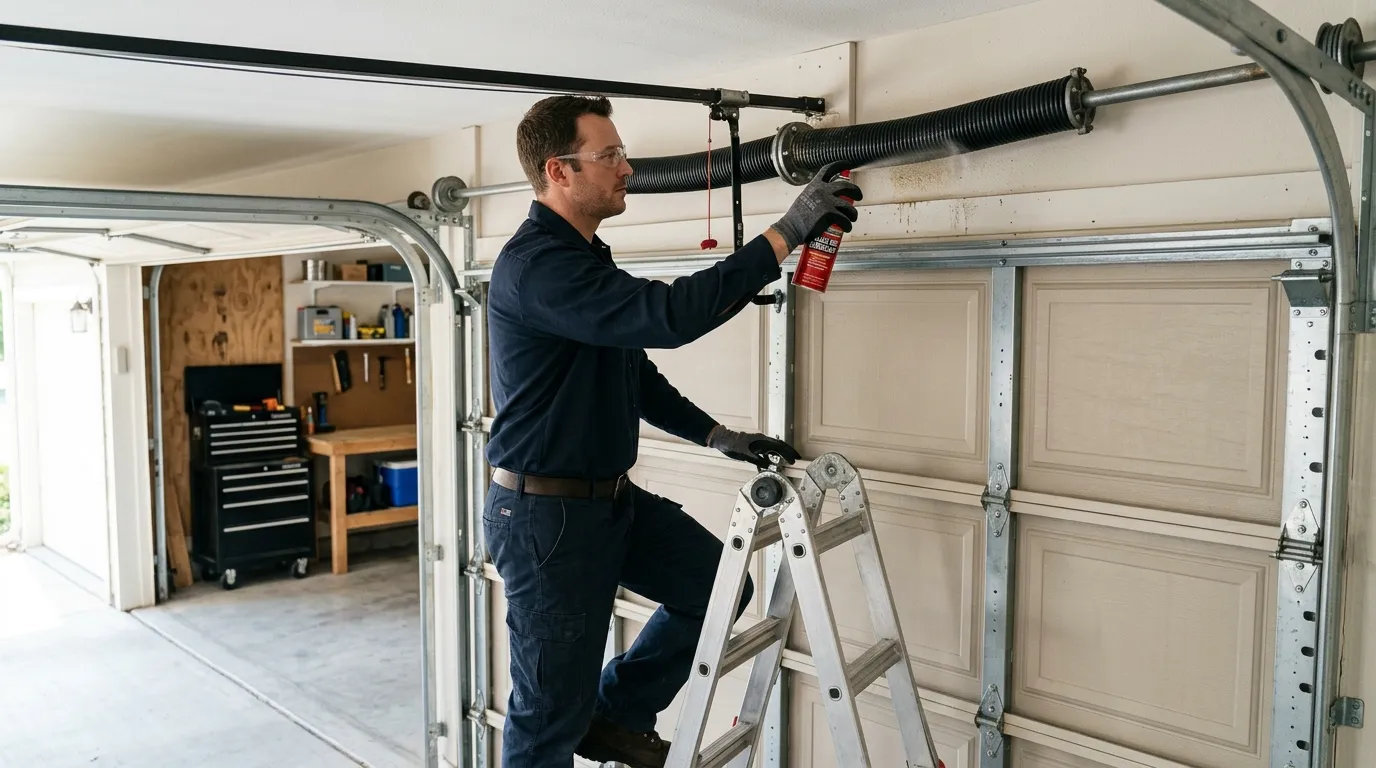
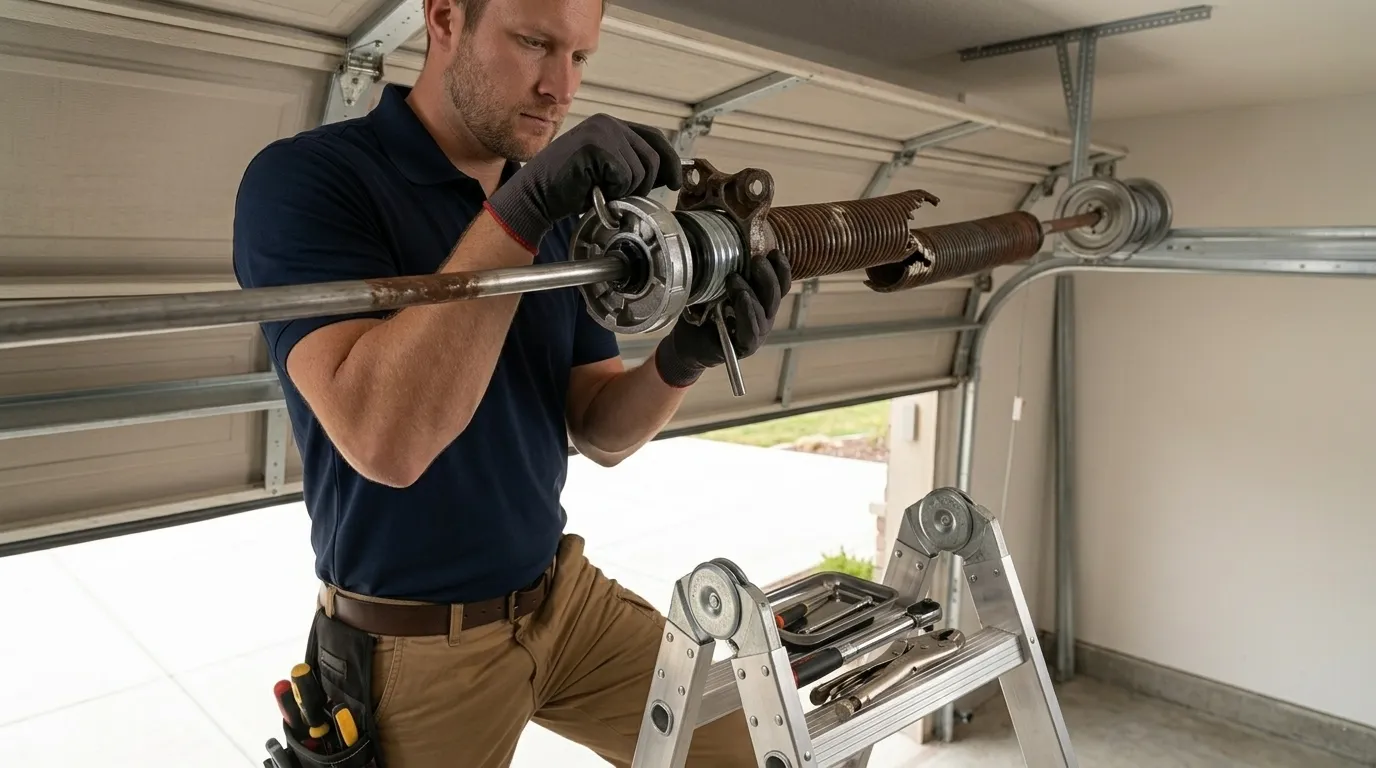
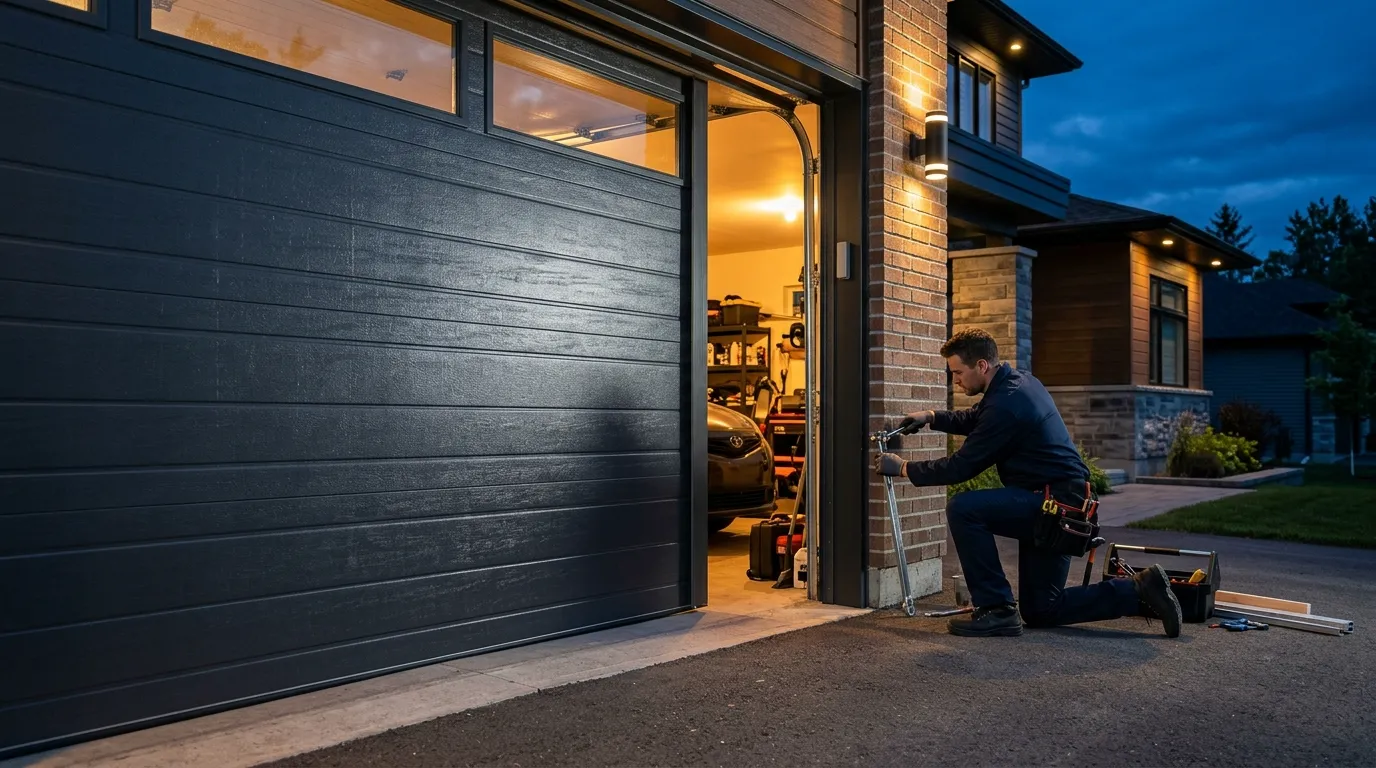
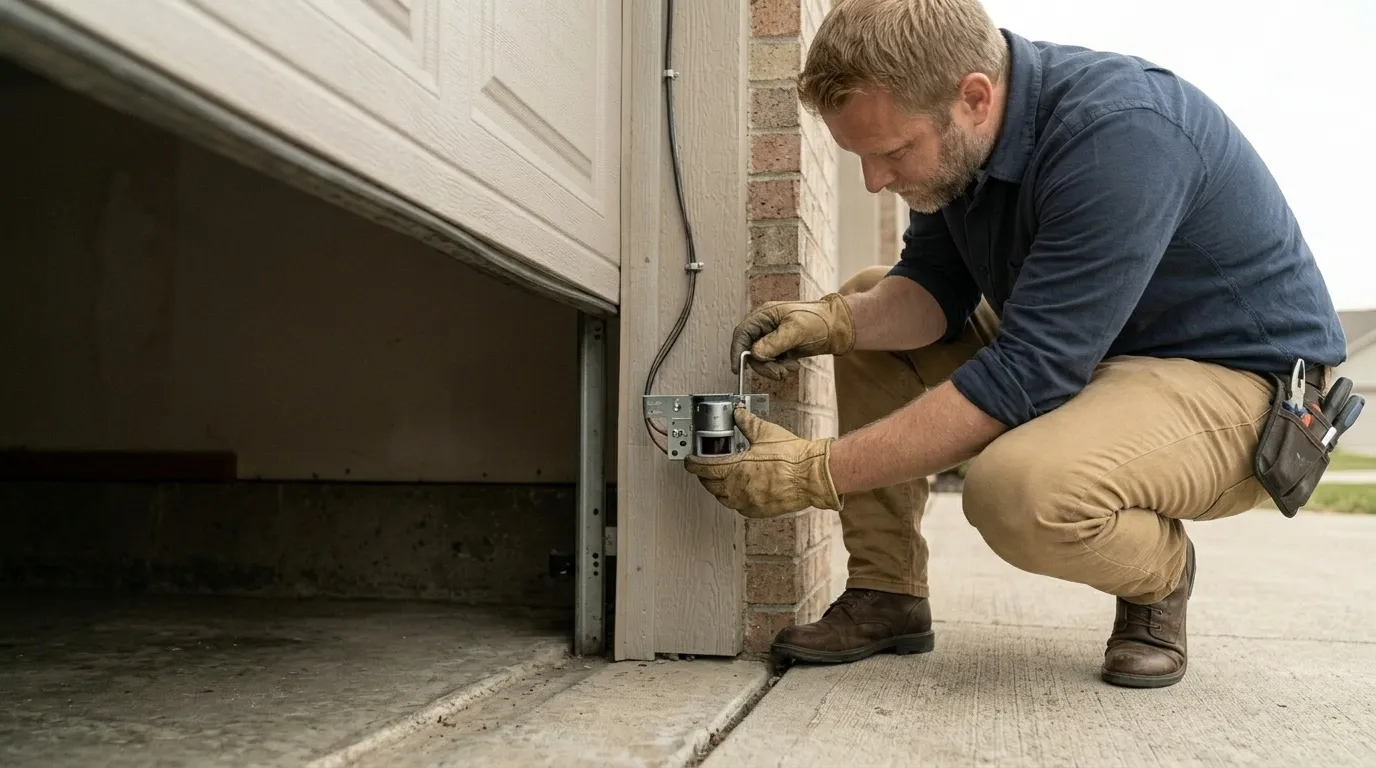
Given the age of the stock, the calls we get from Riverdale skew toward wear rather than accident damage. A door that used to open in one smooth pull starts hesitating a third of the way up - that's a spring losing tension unevenly, not a track problem, even though it looks like one. Openers that groan before they move, or that reverse for no reason mid-cycle, are usually chain-drive units original to a 1970s install straining against a spring that's no longer doing its share of the lift. Rollers on original hardware are often steel-on-steel rather than nylon, so you'll hear it before you see it - a grinding rattle at the top of the track that gets louder over a few weeks, not a sudden bang. Cables fraying at the drum are also more common on older winding hardware than on doors installed in the last fifteen years, because the drum profiles changed. None of this means every Riverdale door is in bad shape - plenty of these openers and springs have had one or two service visits over the decades and are fine. But when something does go, it's more often the whole spring-and-cable system reaching the end of its rated life at once, not a single part failing on its own.
What You Pay
We don't have a Riverdale-specific price list to hand you here, and quoting a number without seeing the door would be a guess dressed up as a fact. What we can tell you is that cost on an older torsion system usually comes down to whether the spring size and drum are still a stocked size or something we need to special-order, and 1970s hardware sometimes falls into that second bucket. Riverdale's median household income runs lower than the wider service area's - about $54,250 against the area's $65,781 - which is part of why more Riverdale calls come in asking to patch or replace the failed part rather than swap the whole door. That's often the right call on a door that's structurally sound; a new spring and a set of rollers on a panel that's otherwise fine is a cheaper fix than a full replacement, and there's no reason to push a full door on someone when the failure is isolated to the spring and hardware. If the panel itself is warped or the track is bent past straightening, that's a different conversation, but that's not what most of these older-stock calls turn out to be.