What Is on the Truck
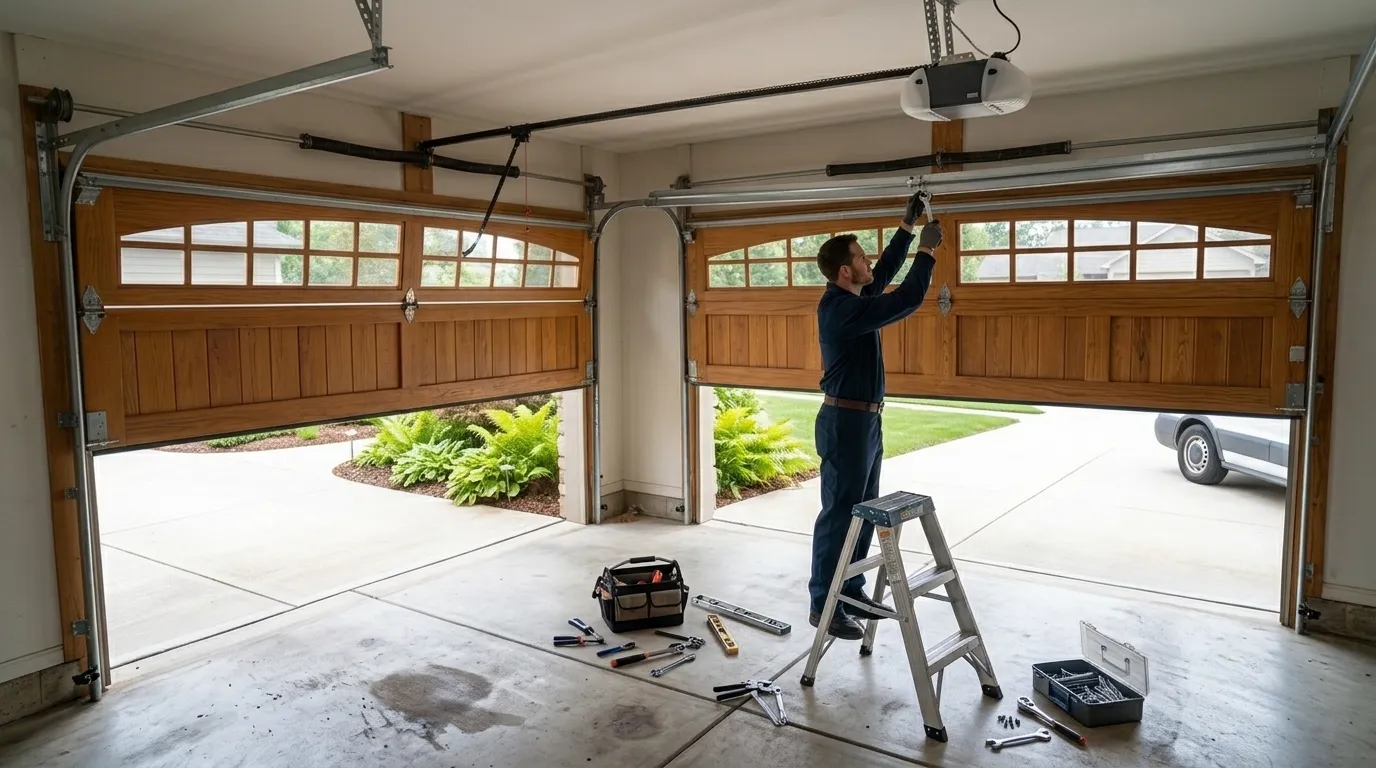
For a town built out mostly in the 1980s and 90s, we carry belt-drive and chain-drive openers rated for the kind of severe summer heat this part of the valley gets - motors and circuit boards that hold up when the garage sits at well over 100 degrees for weeks at a time, not units meant for a mild coastal climate. We also carry the brackets and rail adapters that let a modern opener mount to an older steel door and jamb without cutting into a header that was framed for 1980s hardware. What we don't carry on the truck is every obsolete part for every era - if your door itself is original from 1988 and the drum or track is worn past matching, that's a separate conversation about the door, not the opener.
Doing It Yourself
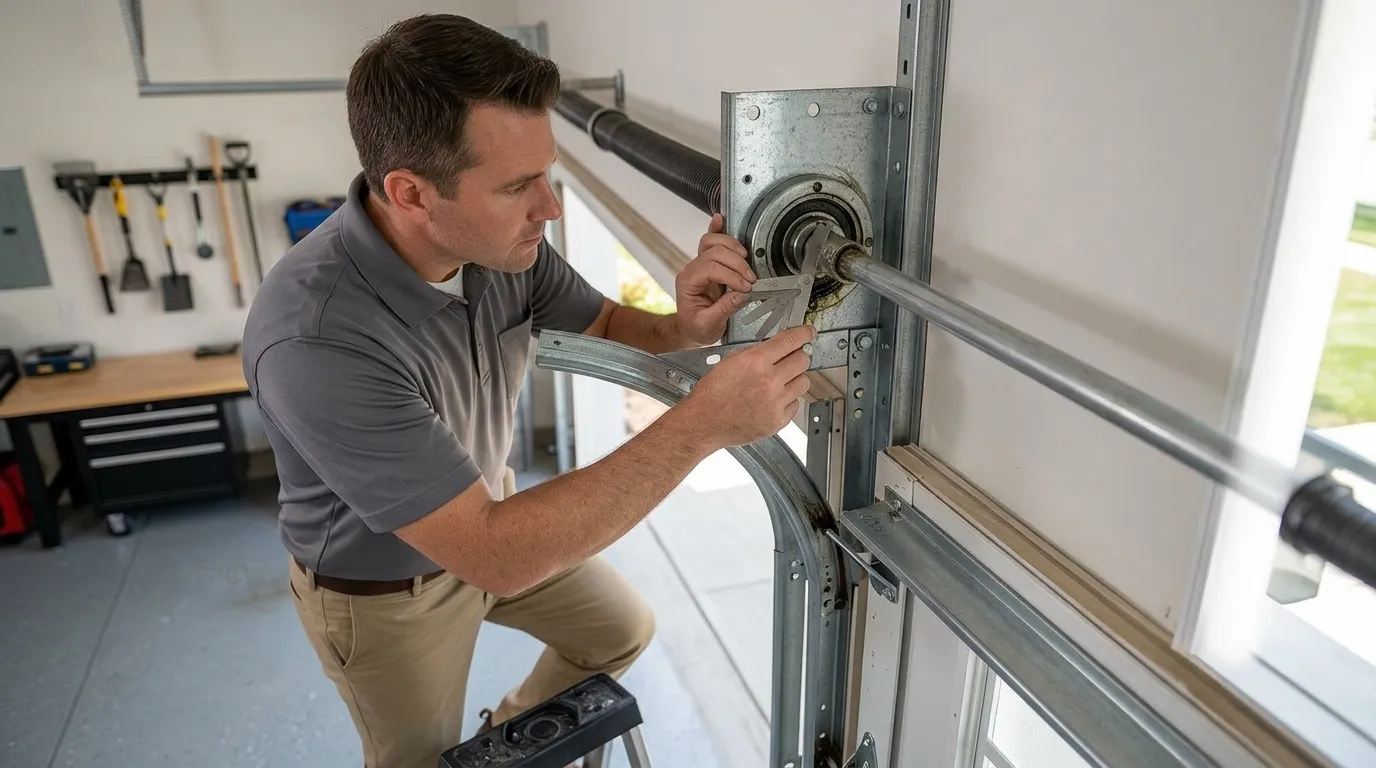
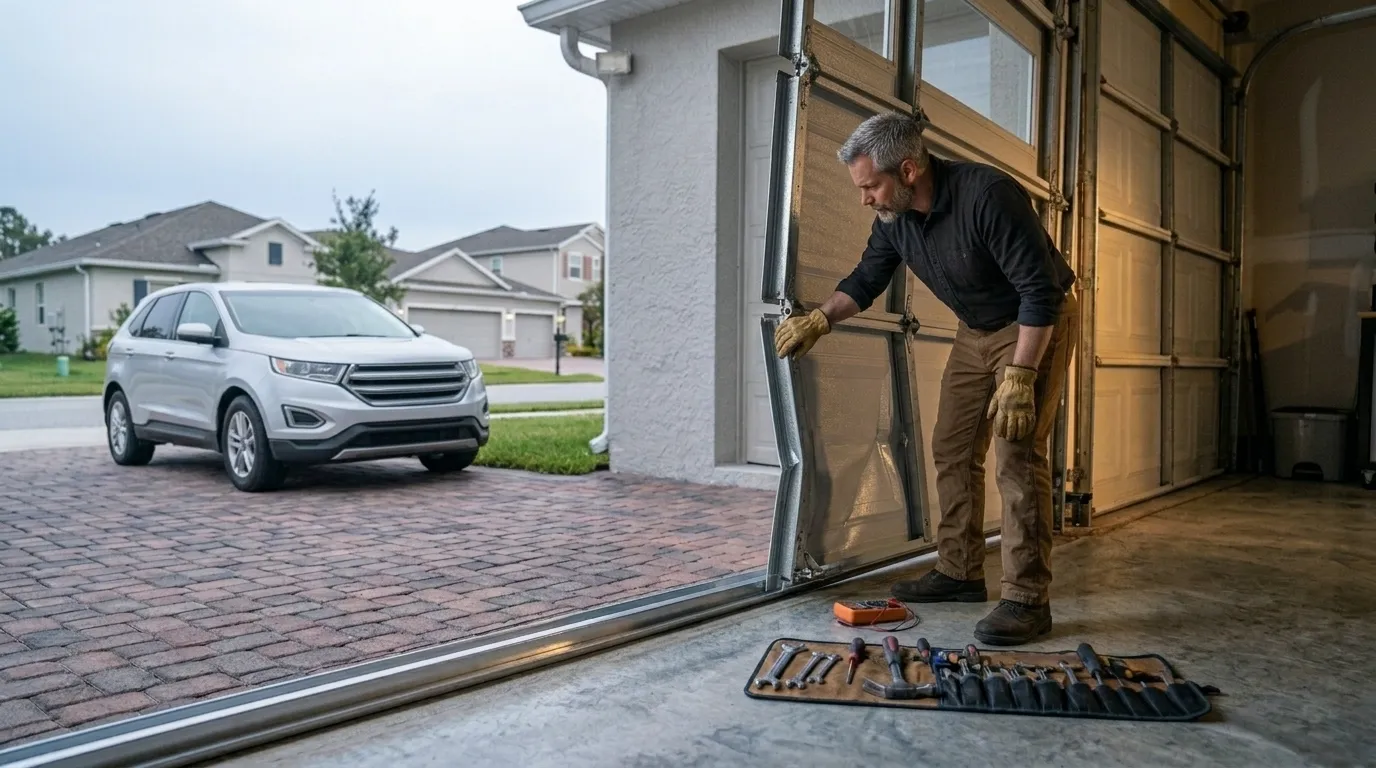
An opener swap looks like a weekend project on video, and on a lighter, newer door it sometimes is. On a door from the late 1980s the bigger risk isn't the opener wiring - it's the travel limits and force settings on hardware that's out of factory spec after three decades of Central Valley heat cycling the steel. Get those wrong and the opener will either not sense an obstruction, which is a real safety problem with kids and pets around, or it will grind against a bent track until the motor burns out early. If your door still has the original springs from 1988, we'd rather you call before you start pulling brackets, because a spring letting go under tension is not a DIY recovery.
How It Shows Up
On these older doors the opener usually gives you warning before it quits outright. It starts reversing partway up for no reason, or it runs louder than it used to - a motor working harder in the heat than it was ever built for. Sometimes the remote range drops off first, since the receiver boards in openers from this era weren't built with today's radio interference in mind. By the time the door won't open at all, the motor's often been straining for months. Kingsburg's median household income sits well above the wider service area's, at $82,562 against $65,781 across the region overall, and we mention that only because it usually means people call us when the opener first starts acting up rather than waiting for it to fail completely - which is the cheaper way to handle it either way.
How We Fix It
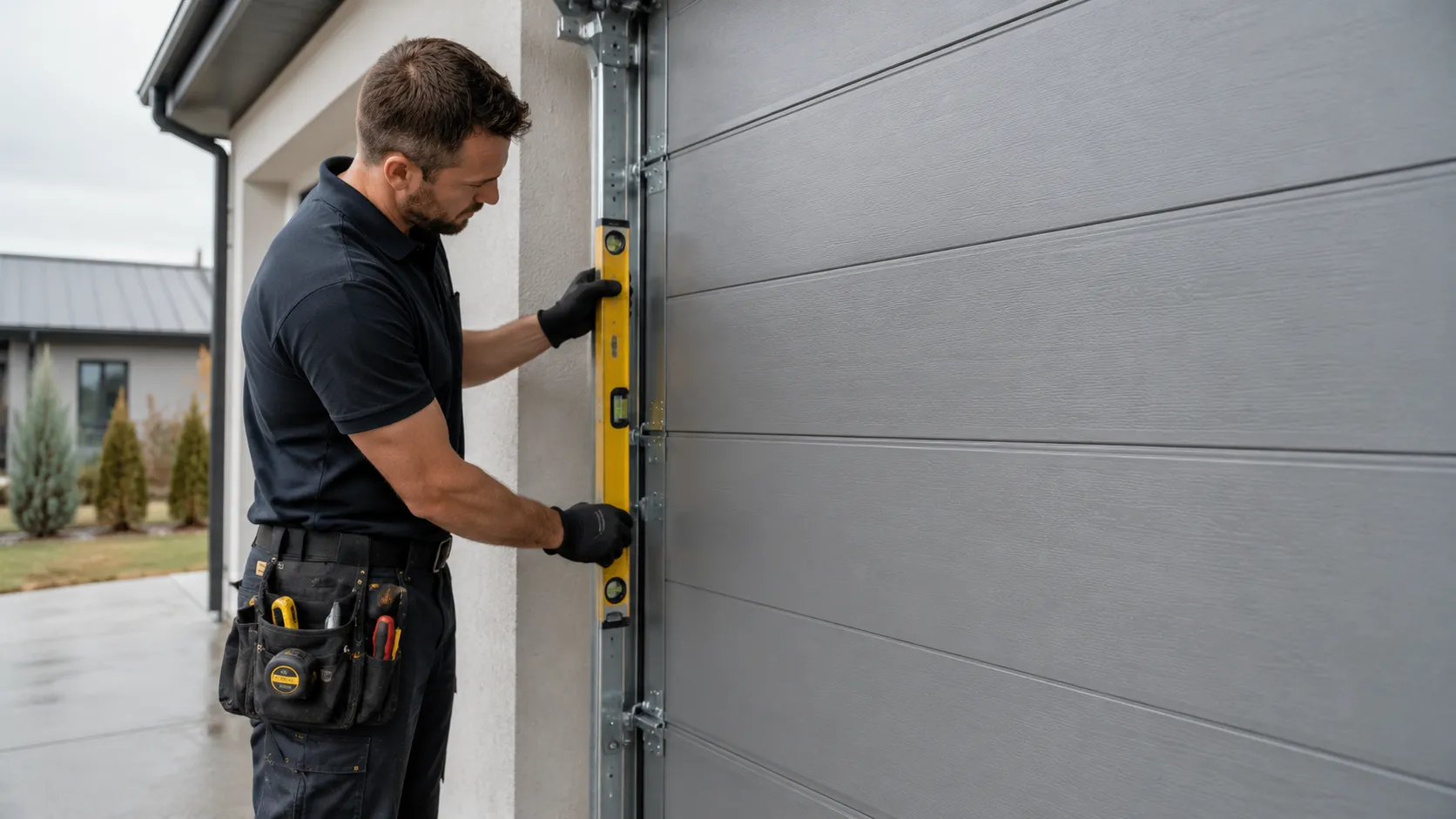
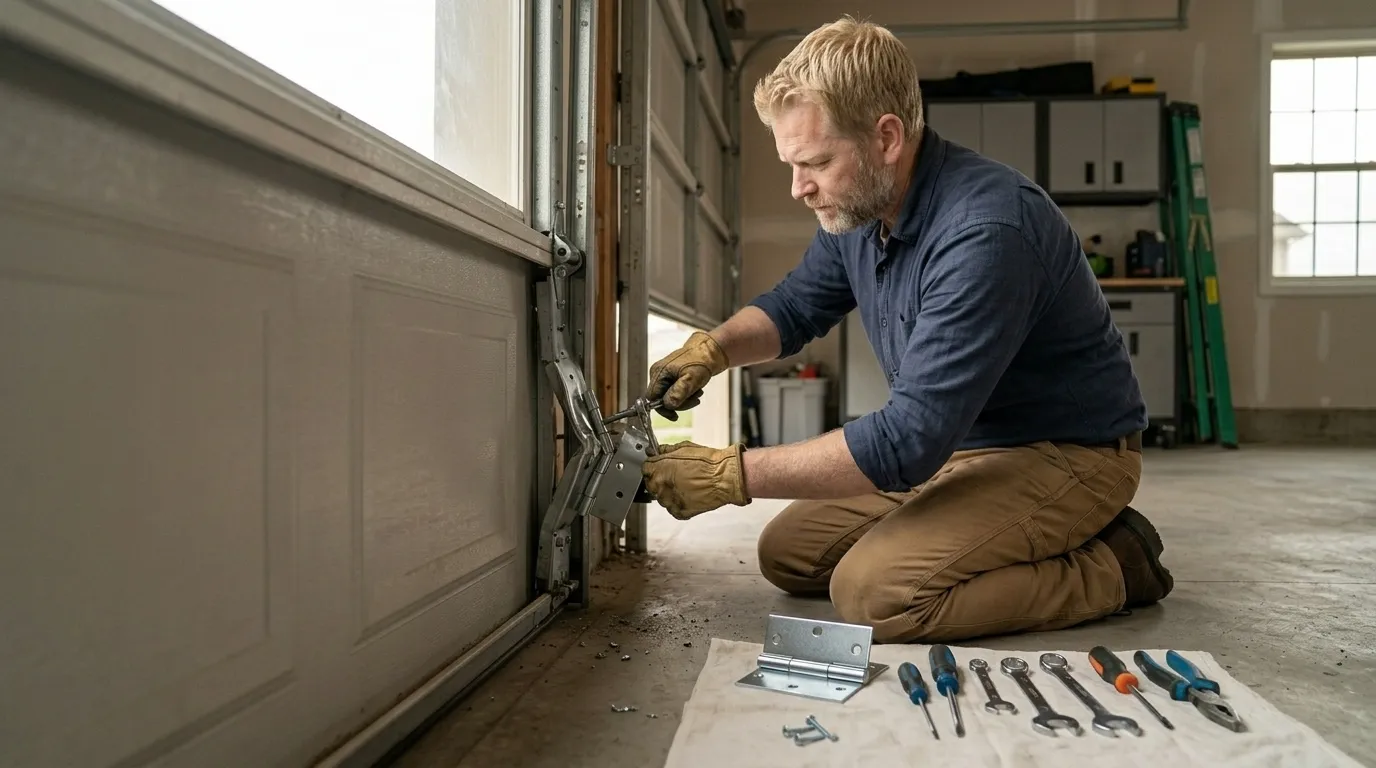
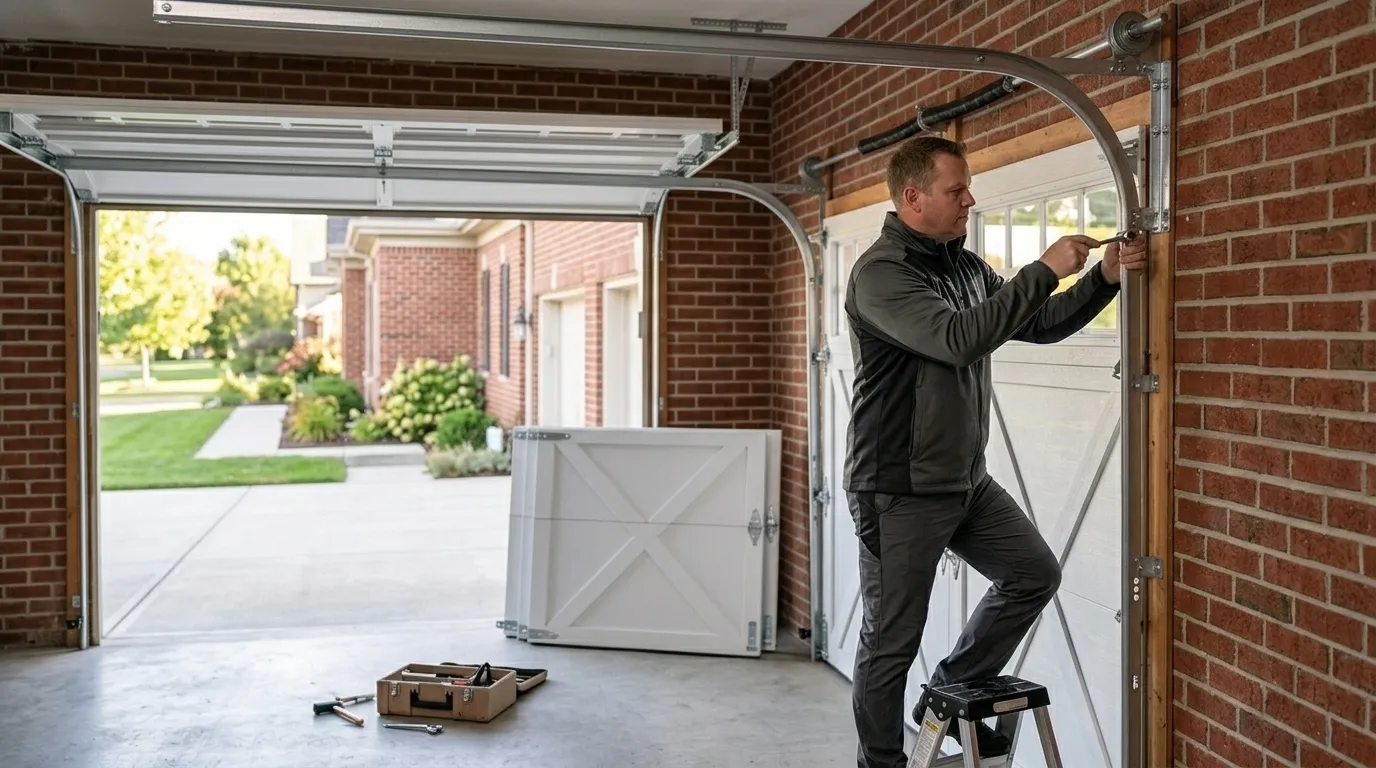
We start by checking the door itself before we touch the opener - on a house from 1988, the springs and rollers have usually had one full life cycle already, and a new opener bolted to a tired door doesn't buy you much. If the door checks out, we pull the old unit, mount the new rail and motor to the existing header, and set travel limits and force settings by hand rather than trusting factory defaults, since older jambs have settled over the decades. We test the safety reverse with a real obstruction, not just a switch. One limitation worth saying plainly: if your opener model is old enough that the wall control or safety sensors are proprietary to a brand that's stopped making parts, we replace the whole unit rather than chase a part that may not exist anymore - that's usually the cheaper and safer route anyway.