What Is on the Truck
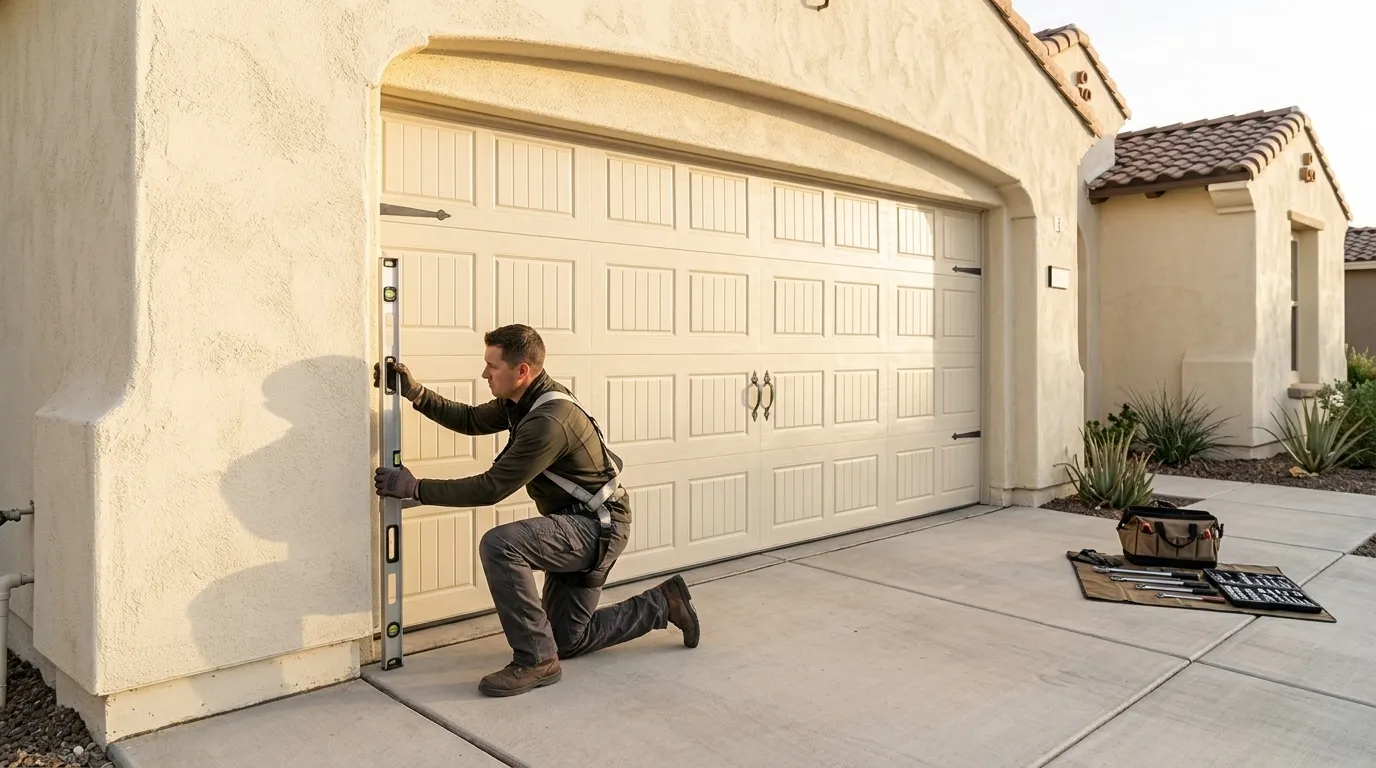
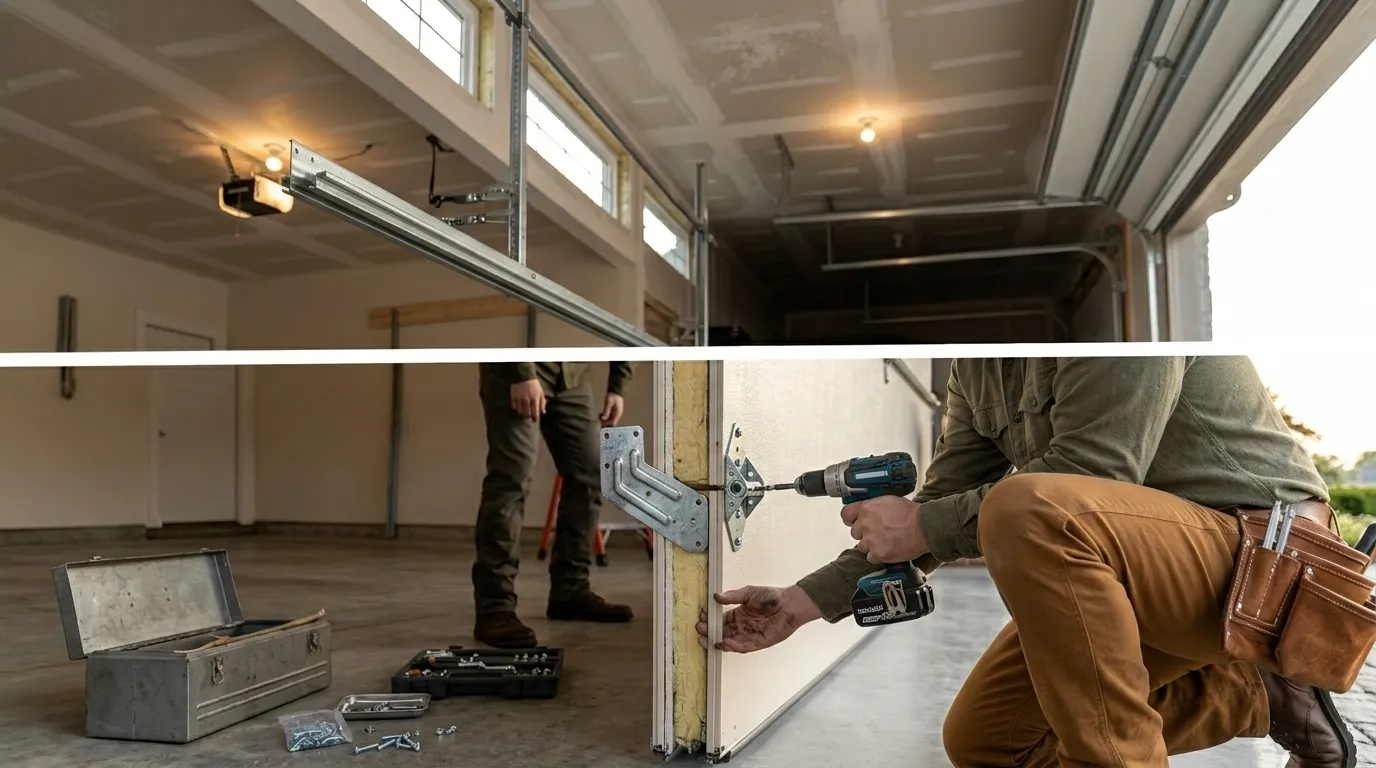
For a town where openers are mostly 1980s and 90s vintage, the truck carries the parts that actually fail on units of that age: replacement logic boards for common chain and belt drives, drive gears and sprockets, travel modules, and updated safety sensor pairs since a lot of pre-1993 openers around here predate the photo-eye requirement entirely. We also carry wall consoles and remote receivers, because on houses from this era the original wall button is often the first thing to die from decades of Central Valley heat baking the garage interior. Given the severe heat this region sees, we stock heat-rated wiring and connectors rather than the standard-grade parts that crack and brittle out after a few summers. What we don't carry is every legacy circuit board for openers discontinued before the 2000s - if your unit is one of those, we may need to order the part rather than fix it same-visit.
Doing It Yourself
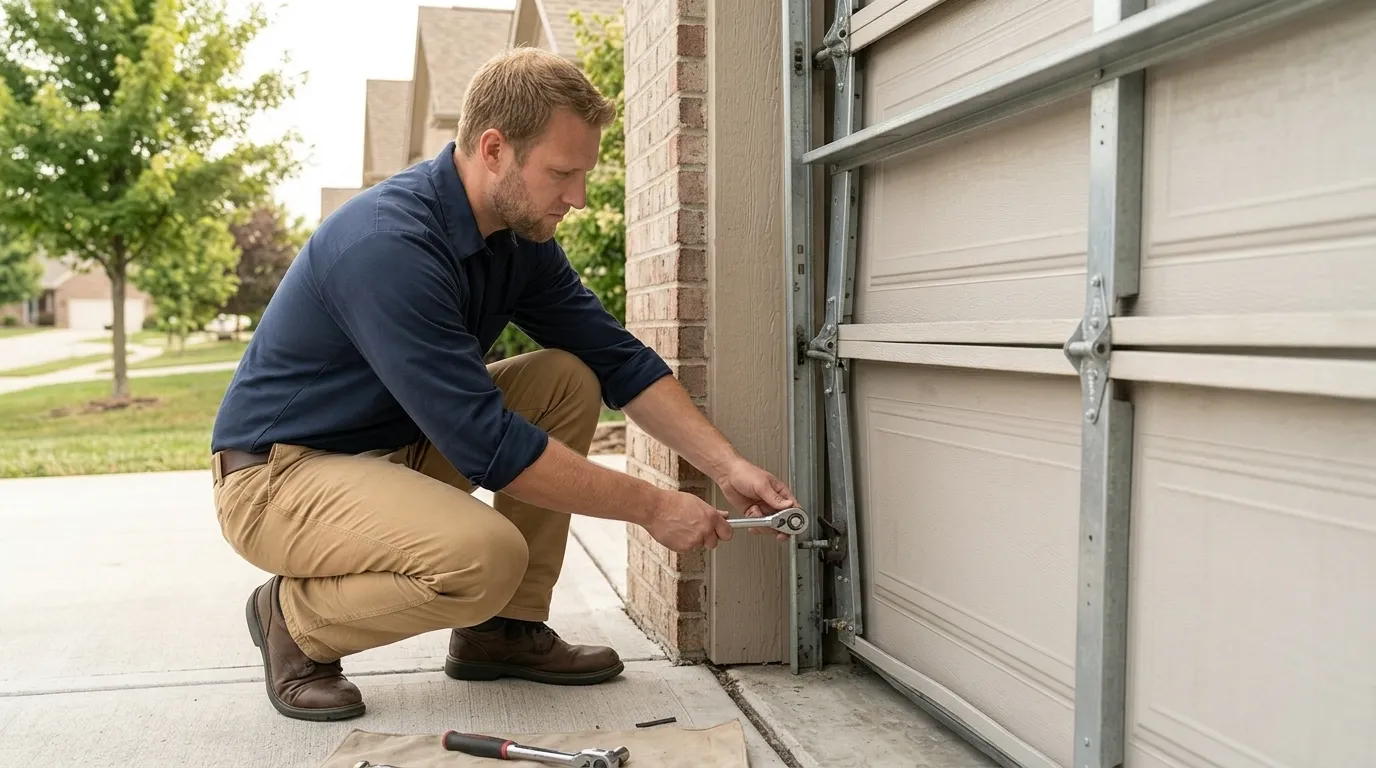
Some opener problems are worth handling yourself before you call anyone. If the opener runs but the door won't respond, check the wall switch wiring first and make sure the antenna on the unit hasn't been knocked loose or buried under insulation - both are common in garages that have sat since the 1980s without an update. If the light blinks and the door won't move, that's almost always the safety sensors out of alignment, and you can often fix that yourself by loosening the bracket screws and squaring the two eyes up so neither light blinks. What you shouldn't touch: the logic board, the motor housing, or anything involving the drive gear, especially on an opener original to a house built in the Kingsburg build-out years. Those units use fastener patterns and wiring gauges that aren't standard on newer openers, and forcing a modern part onto old wiring is how you strip a gear or short a board.
How It Shows Up
In Kingsburg, opener trouble tends to follow the housing pattern. With a median build year near 1988 and most homes going up through the 80s and 90s, a large share of openers here are original equipment or a single replacement generation in - meaning they're 20 to 40 years old. That means motor burnout from age, capacitors that have simply dried out, and gear sets worn down from decades of use are common failures, not the electronic glitches you'd see on a five-year-old opener. The severe summer heat this area sees adds to it: attached-garage openers mounted near uninsulated roof decking run through repeated heat-soak cycles that shorten the life of both the motor windings and the plastic gear components inside older units. We also see a fair number of dead remote batteries and misaligned sensors mistaken for opener failure, so the actual fix is sometimes far simpler than the homeowner expects.
How We Fix It
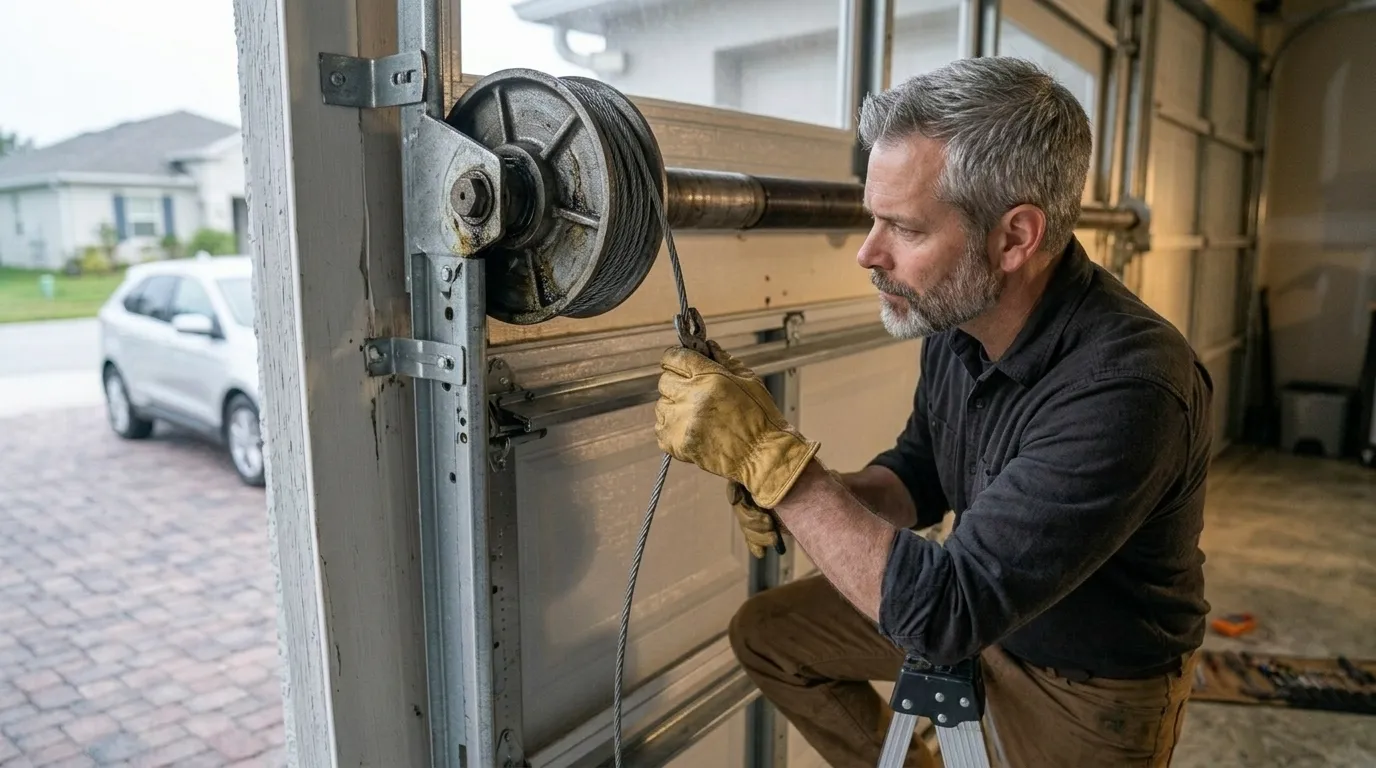
We start by testing the opener at the wall switch and the remote separately, since that isolates whether the fault is the unit, the sensors, or the signal. On the older chain-drive units common to Kingsburg's 1980s-built homes, we check gear wear and motor draw before assuming the board is bad - a worn gear can mimic a dying motor. If the unit is original to the house and parts are no longer made for it, we'll say so and lay out the choice between a rebuild with compatible aftermarket parts or a full opener swap. We do not stock every legacy board, so a repair on a genuinely obsolete unit may mean an order delay rather than a same-day fix, and we tell you that upfront rather than after you've paid for a visit.