What Is on the Truck
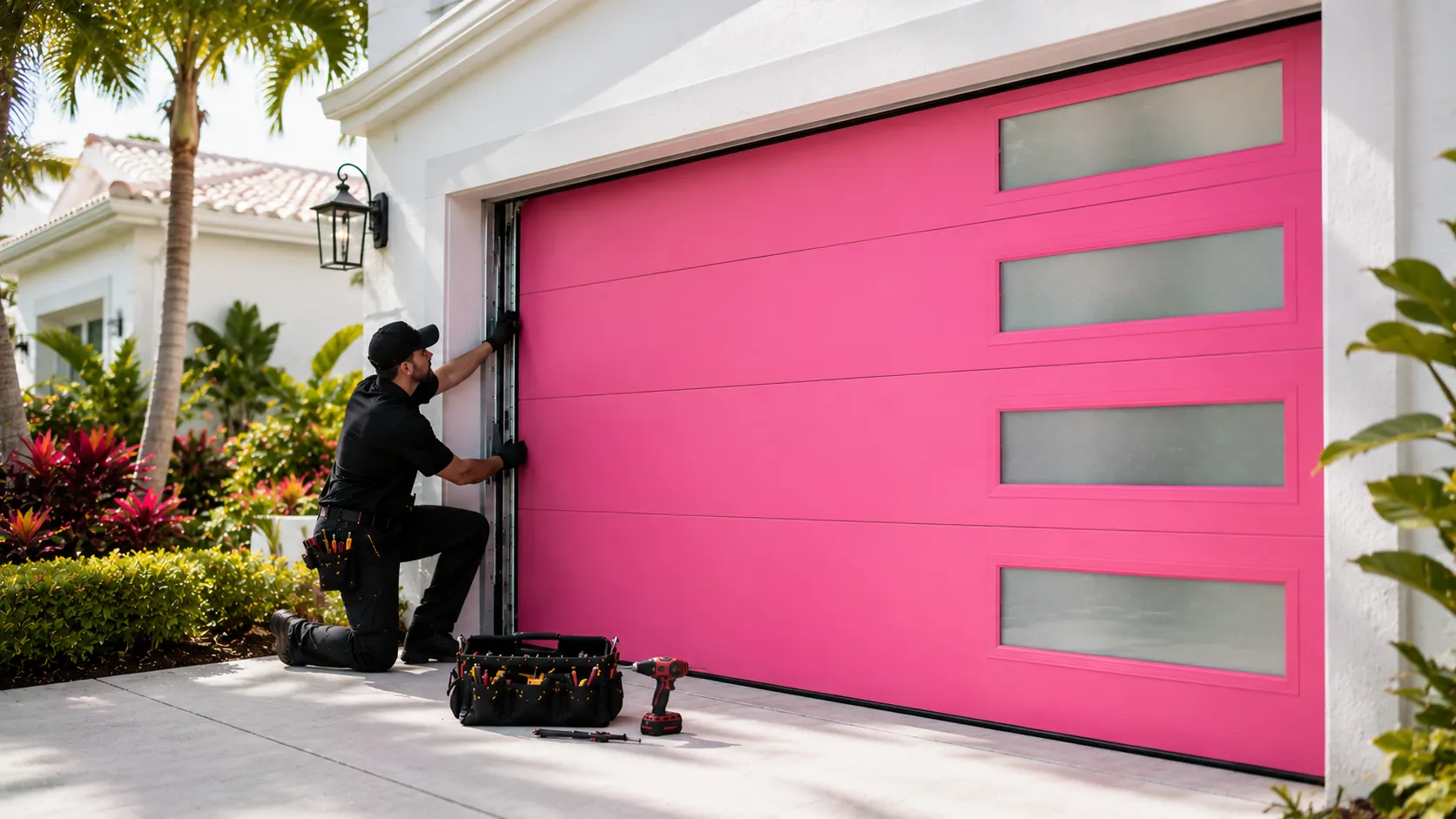
Kingsburg's housing stock centers on a median build year of 1988, a decade newer than the broader Hanford-area median of 1982. That gap matters for springs: doors from the late 80s and early 90s were more likely built for torsion hardware from the start, rather than retrofitted from older extension-spring setups. Our truck carries torsion springs in the common wire sizes and lengths that fit that era's standard door heights, along with the drums, bearing plates, and cables that go with them. We also stock a run of extension springs for the handful of older doors still holding on with side-mounted hardware, since not every house on this side of the valley matches the newer build pattern. What we don't carry is a custom-wound spring for an oddball door - if you've got a heavy custom or imported door, that part gets special-ordered and the job takes longer. We'll tell you upfront if that's the case rather than promise a same-visit fix we can't deliver.
Doing It Yourself
A torsion spring holds enough stored tension to break a bone or worse, and that doesn't change because the door is fifteen minutes from Hanford instead of five. If a spring has snapped - you'll usually hear it, a bang loud enough that people check the street - the door will not lift by hand safely and any attempt to wind or unwind the spring without winding bars and a locked ladder position is how people lose fingers. What you can safely do yourself: check that the door is actually a spring problem and not an opener issue, by disconnecting the opener and trying the door by hand (carefully, from the side, never standing under it). If it won't budge or drops fast, that's a spring, and it's a call, not a project. We're not going to pretend otherwise to sell a repair - this is one job where the honest advice and the profitable advice happen to line up.
How It Shows Up
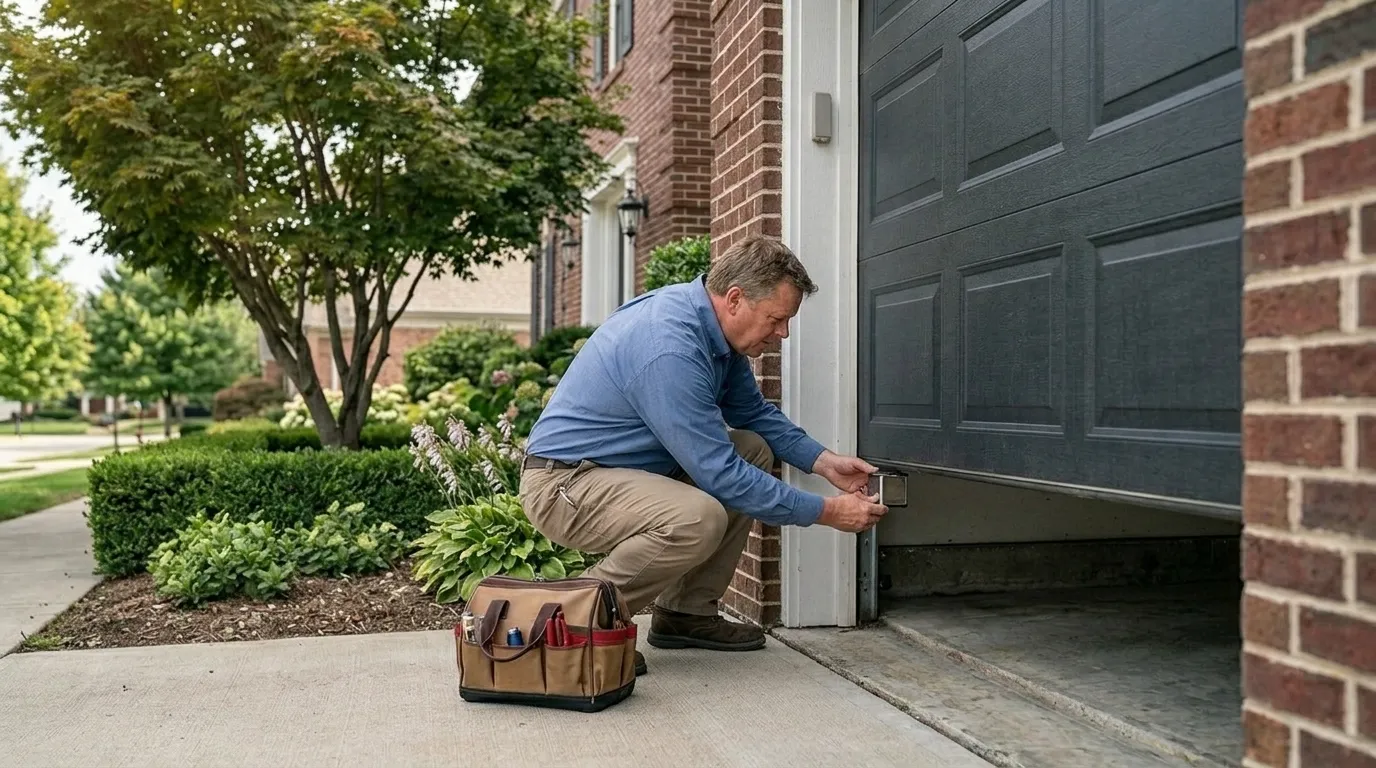
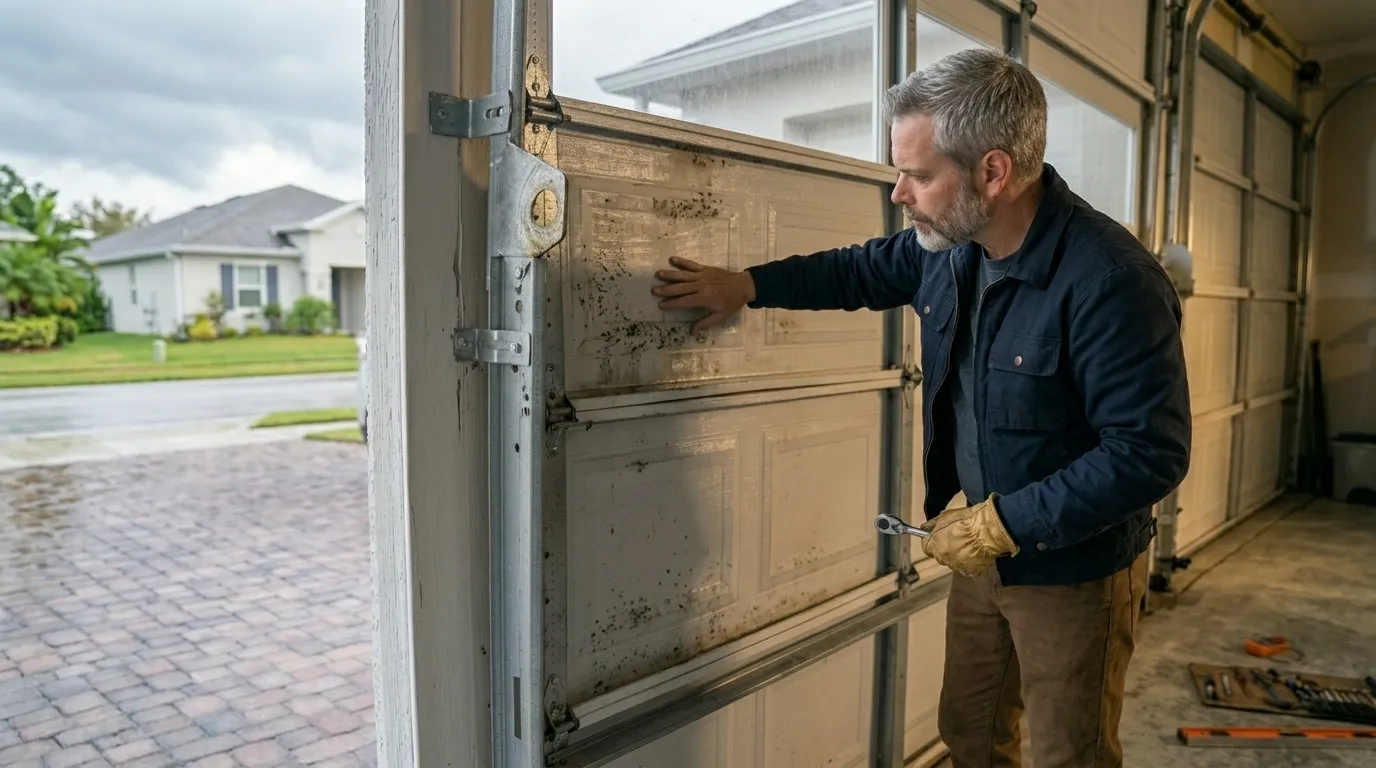
This area sits in a severe heat climate band, and heat is hard on spring steel over years of expansion and contraction, especially on doors that have gone a decade or more without lubrication. The failure pattern we see most in houses from Kingsburg's 1988-median build year isn't sudden and dramatic - it's a spring that's been sagging for months, making the opener strain and the door lift unevenly on one side before it finally lets go. You'll notice it first as a door that seems heavier than it used to, or an opener that groans and takes longer to lift. That's the window to call before the spring actually snaps and takes a cable or a bottom bracket with it. Once it's a full break, the fix is the same either way, but a strained opener that's been fighting a weak spring for months sometimes needs a look too.
How We Fix It
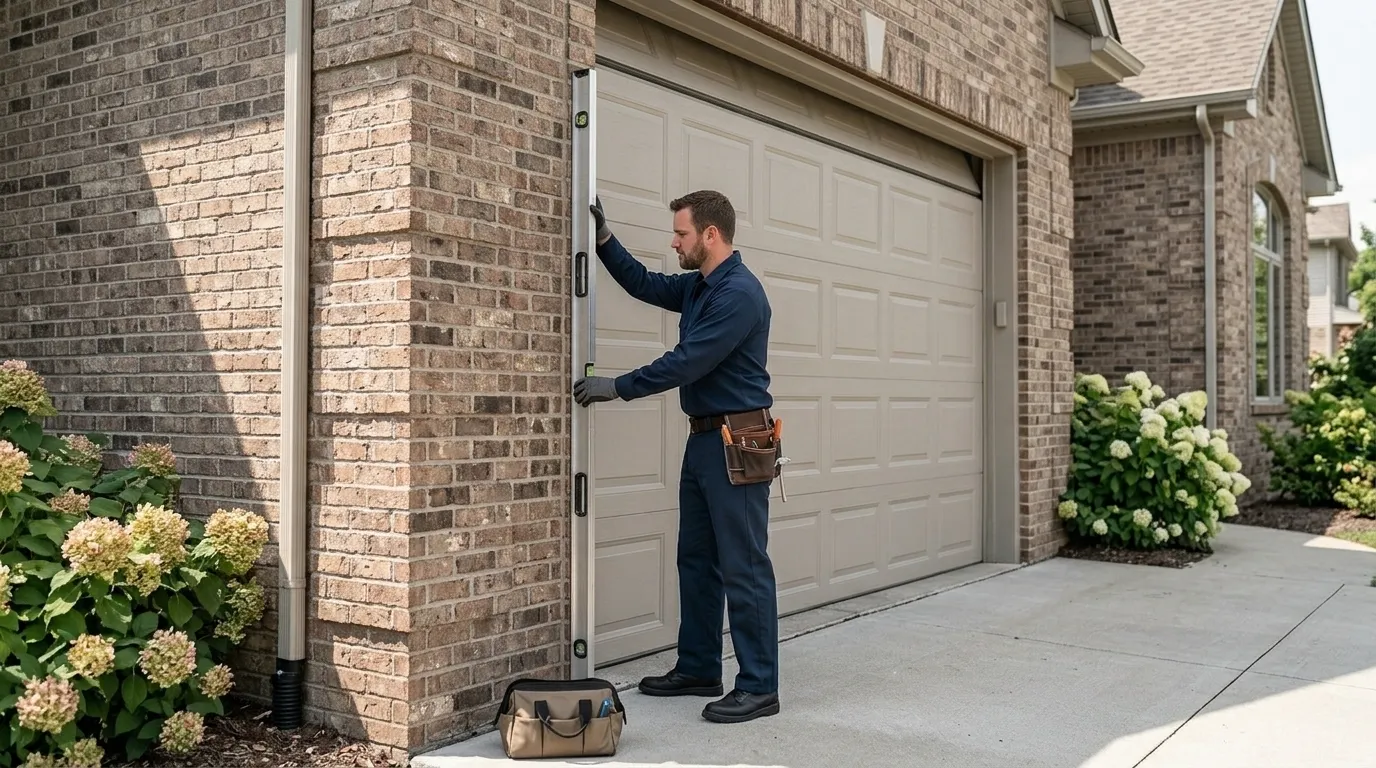
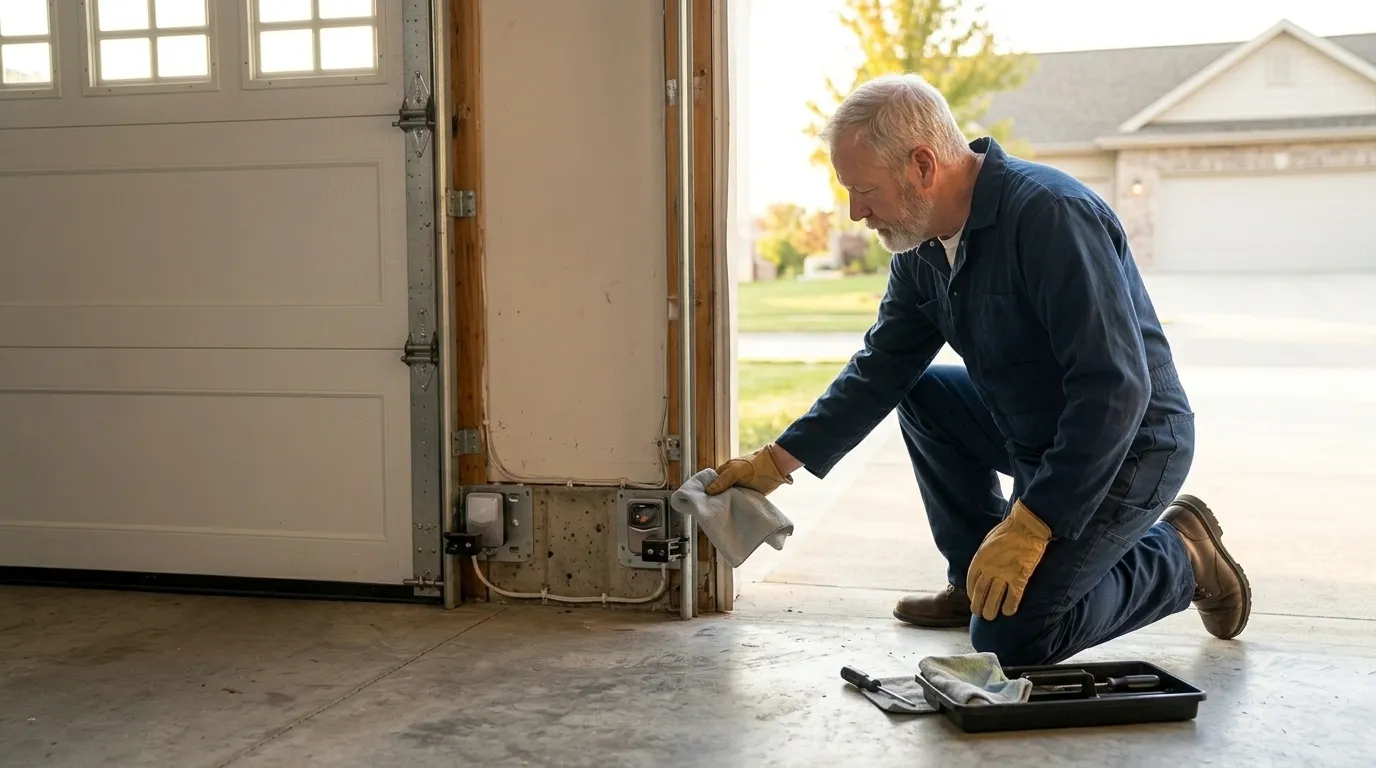
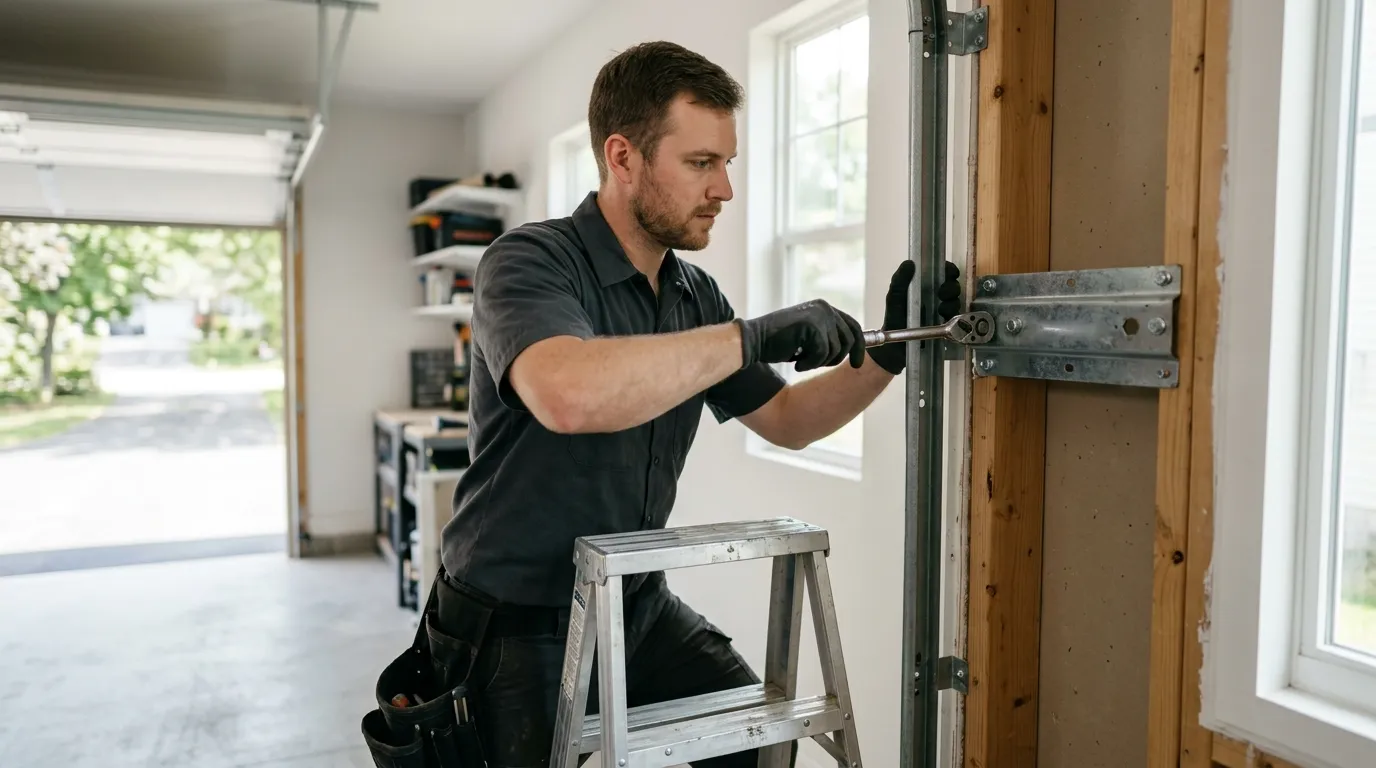
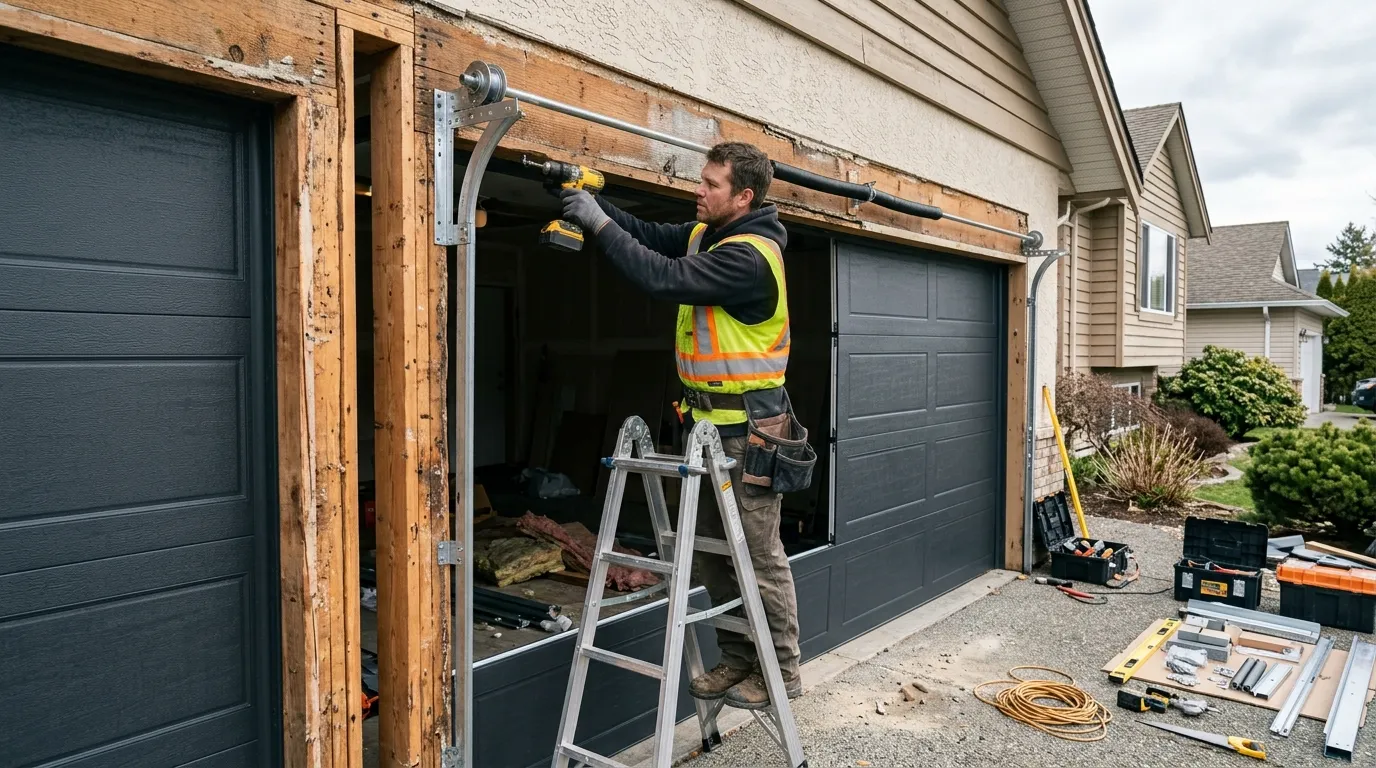
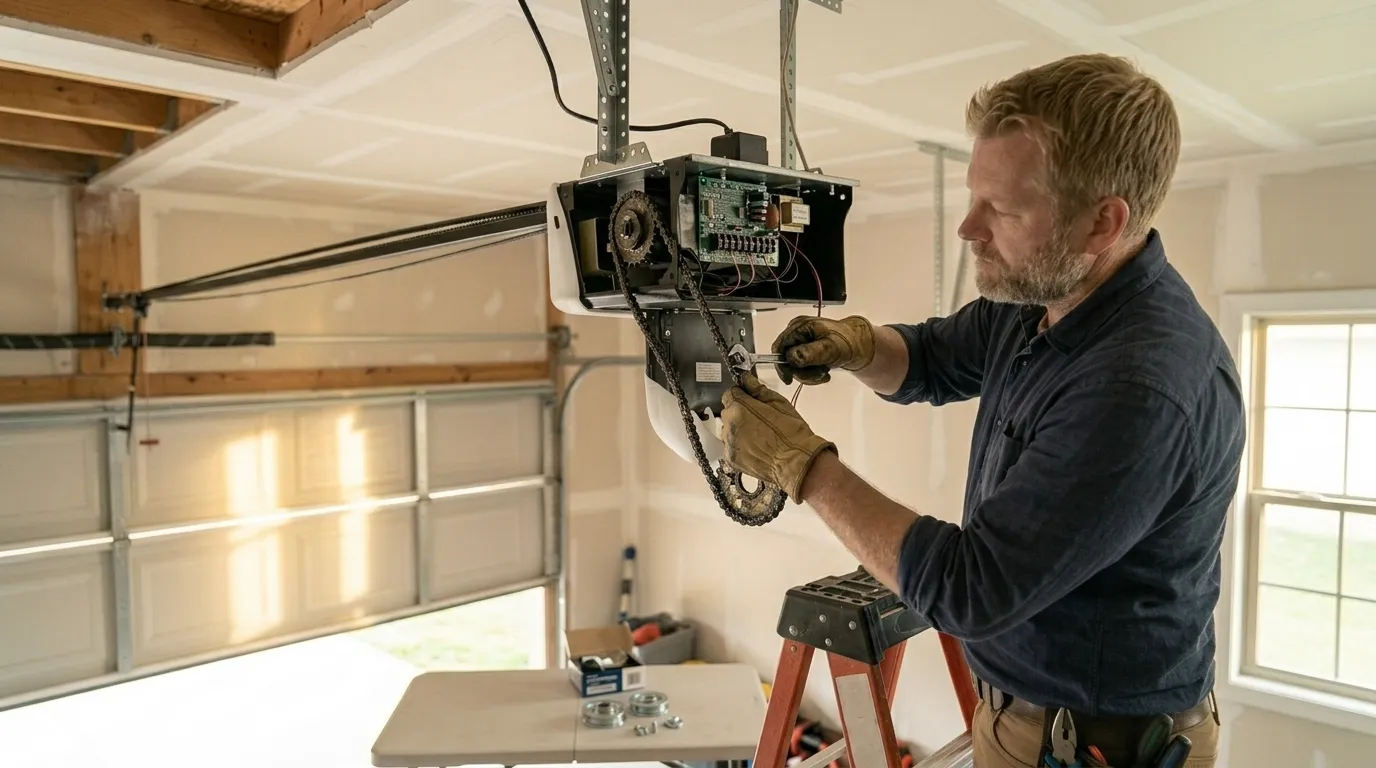
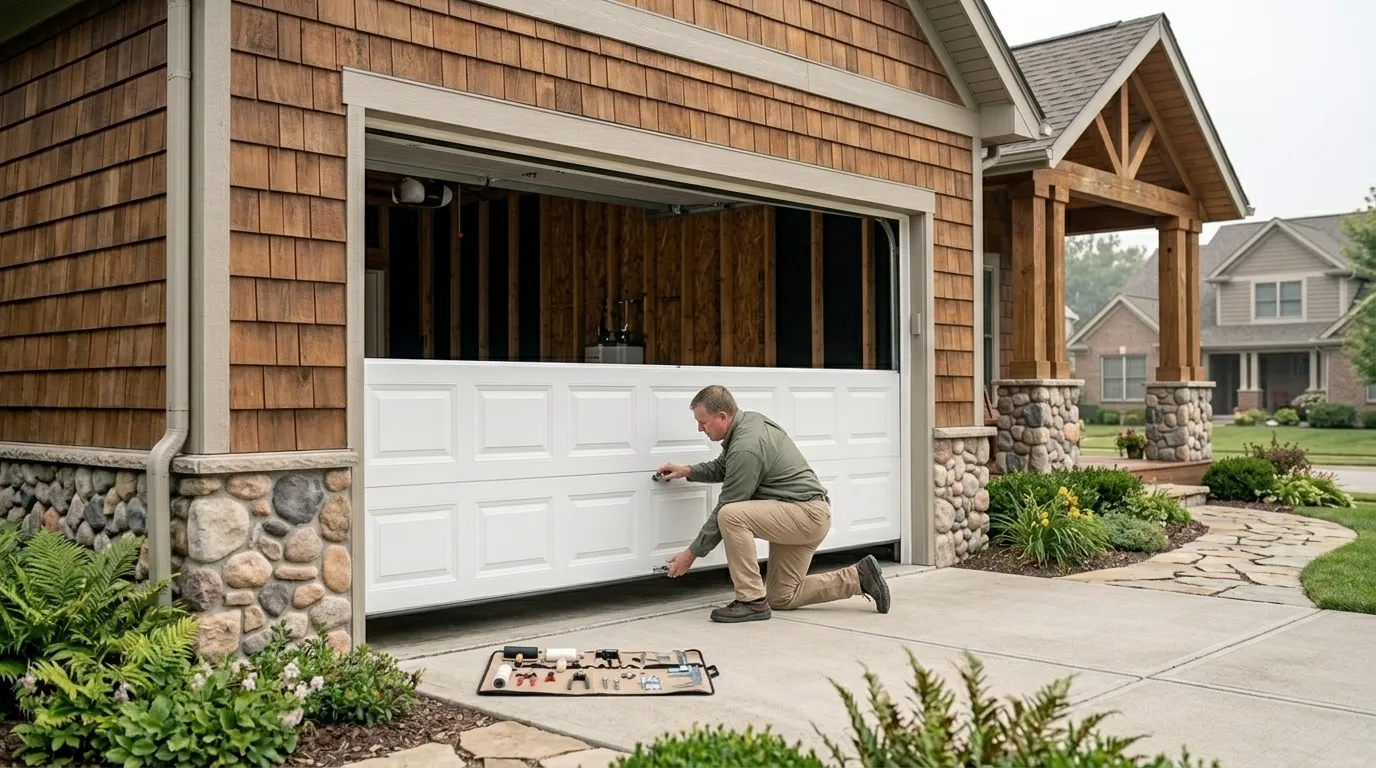
We block the door, release tension safely with winding bars, and pull the failed spring and its mate - torsion springs get replaced in pairs even when only one broke, because the surviving one is close behind on a door built around the same 1988-era standard. We check the drums, cables, and center bearing while the door's open, since a spring failure sometimes takes a cable partway with it. New springs get sized to the door's actual weight and drum diameter, not just swapped for a matching part number, because doors on this side of the valley aren't all identical even within the same build decade. We test the balance by hand before reconnecting the opener - a door that doesn't hold position at half-open isn't finished, regardless of whether the spring looks right. If the opener's been straining for months against a bad spring, we'll flag that separately rather than fold it into the spring job.