24/7 Emergency Service Open 7 days · 7am–8pm Serving Hanford, CA & nearby
(559) 768-7376
Hanford, CA

What That Noise Is Trying to Tell You

Hanford homes built between 1974 and 2003 carry original hardware into severe summer heat. Here's what the grinding, popping, or slapping is actually telling you.

What That Noise Is Trying to Tell You

How Local Conditions Play In

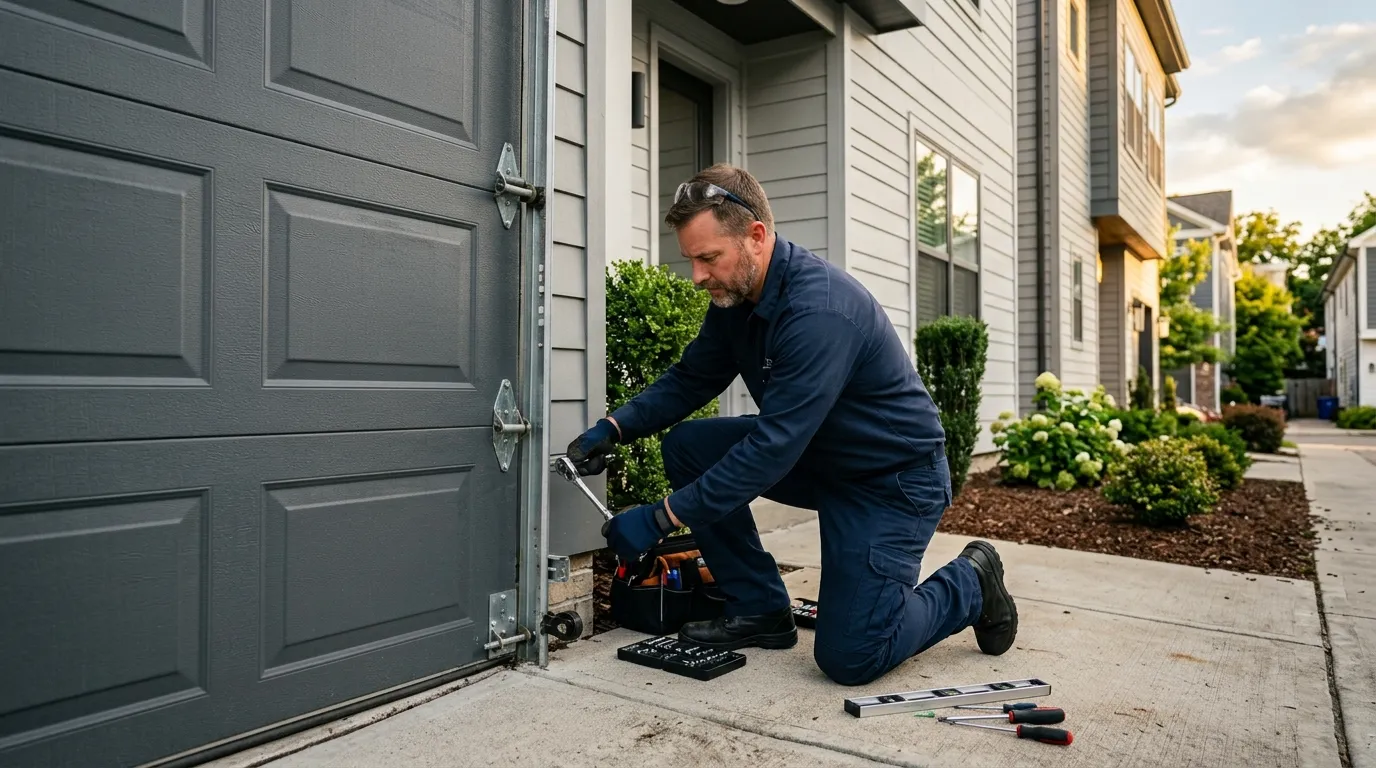
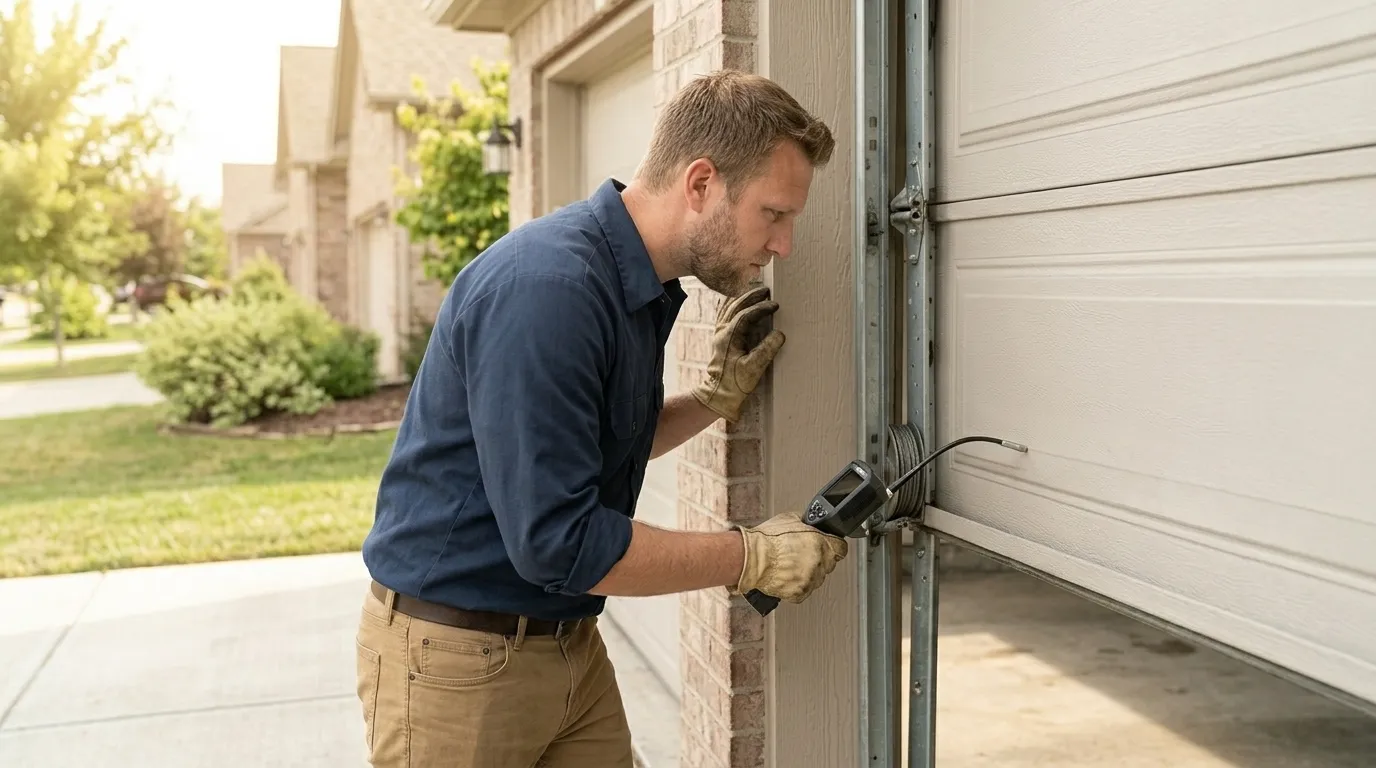
Most of the houses we get called to sit in the 1974-2003 range, with the median build year landing around 1982. That matters because a door built in that window is old enough to have its original torsion spring and probably its original rollers, and it's spent every one of the last forty-plus summers in a heat band the federal climate data marks as severe. Steel expands and contracts through that kind of heat cycle year after year. Springs lose tension unevenly. Nylon rollers dry out, crack, and start hitting the track with a slap instead of a roll. A grinding sound usually means a roller has gone flat on one side. A rhythmic thump once per rotation means a flat spot on a roller or a bent track section from heat warp. A loud bang followed by the door going dead means a spring let go, and on a house from this era that spring has likely never been replaced. None of this is random. It's the direct result of a specific age of hardware sitting in a specific climate, and the sound is the hardware telling you where the stress landed first. Across the thirteen communities that make up this stretch of the valley, the pattern repeats because the housing stock repeats.

The Common Mistake

The mistake we see most is spraying WD-40 on a noisy track and calling it fixed. WD-40 is a solvent, not a lubricant - it strips old grease off the rollers and hinges, quiets things down for a week, then leaves the metal drier than before. On hardware from the 1980s and 90s that's already been through decades of heat cycling, that dry run accelerates wear on parts that were already thin. The second mistake is assuming a noise is cosmetic because the door still opens. A door that still opens with a bad spring or a cracked roller is a door that's one cycle away from a cable snapping or a panel dropping off track, and repair costs go up fast once a second part fails from the strain of covering for the first one. We won't pretend every noise needs a truck out same day - a squeak that shows up only on the hottest afternoons and goes quiet by evening is often just thermal expansion in the track bolts, and a homeowner can snug those bolts themselves before calling anyone. Not every sound is an emergency. But a new sound on a door built in this era, in this heat, is worth naming correctly before it gets ignored.

What You Pay

We don't have a set price to quote here, because the right fix depends on what's actually worn versus what's just loud - a roller swap and a spring replacement are two different jobs with two different bills, and guessing at a number before we've looked at the door does homeowners no favors. What we can tell you is how this area tends to budget for it. Median household income across the service area sits at $65,781, and with roughly 23,164 owner-occupied houses out of 51,462 households, most of the calls we take are homeowners deciding whether a repair now beats a bigger failure later, not renters weighing it against a landlord's timeline. That's the calculation worth making with real numbers in front of you rather than a guess over the phone. If a spring size is old enough or unusual enough that we have to order it, we'll tell you that up front too - some hardware from houses built in the early part of that 1974-2003 window isn't something we keep on the truck, and it's better to know that before you're standing in the driveway with the door stuck open in July heat than after.
The Situation

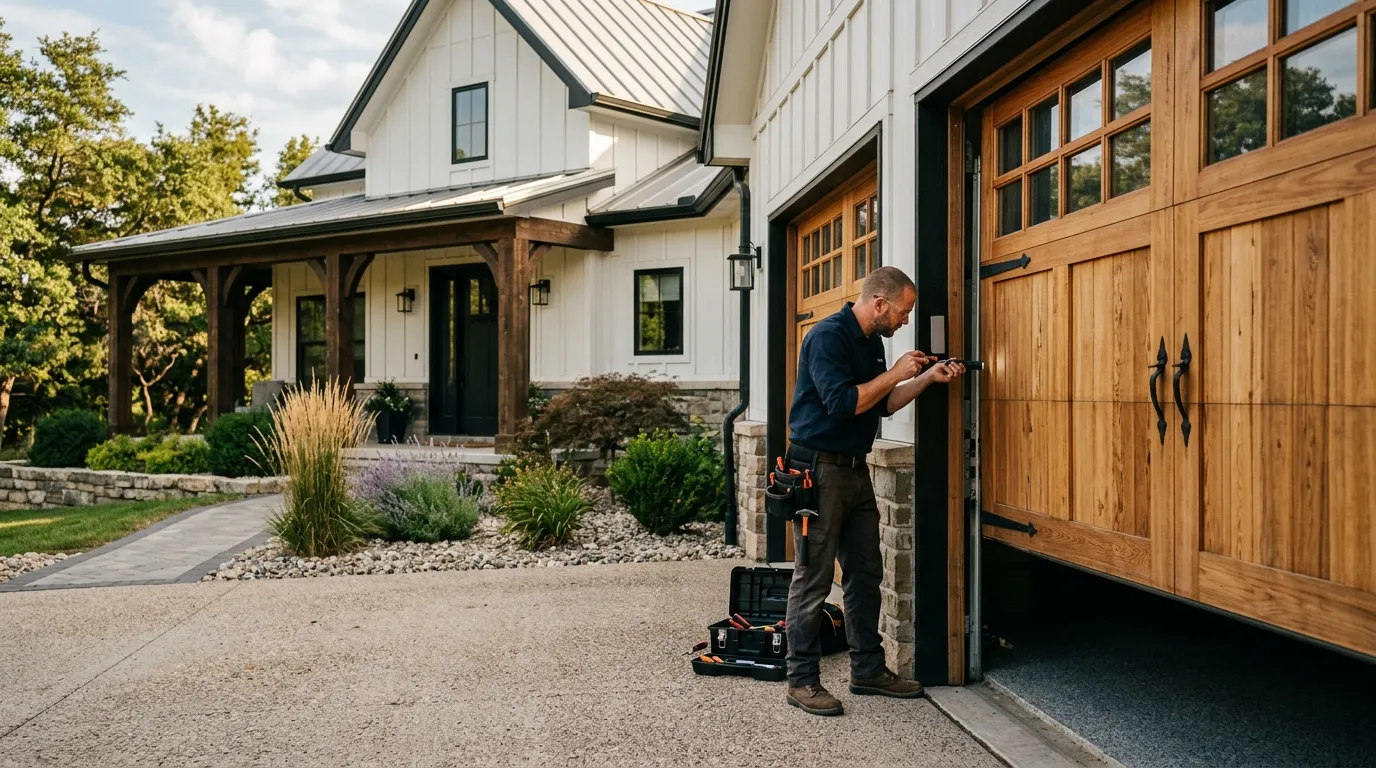
We work out of Hanford and cover the towns built around it in the same era and the same heat - Armona three miles out, Lemoore and Laton around eight, Kingsburg and Riverdale near fourteen, out through Selma, Corcoran, Caruthers, and Tulare. The housing pattern doesn't change much across that stretch; it's the same 1980s-90s stock, the same severe-heat cycling, the same list of things that go wrong in the same order. That's part of why we can usually tell what a noise is before we've seen the door - not because every house is identical, but because the range of what fails on a house this old, in this climate, is narrower than people expect. If your door has started making a sound it didn't make last summer, that's the door telling you something changed. Worth a call before it tells you the hard way.

How it works

From “it’s stuck” to “it’s fixed”

Tell us what’s wrong - Hanford garage door service

Tell us what’s wrong

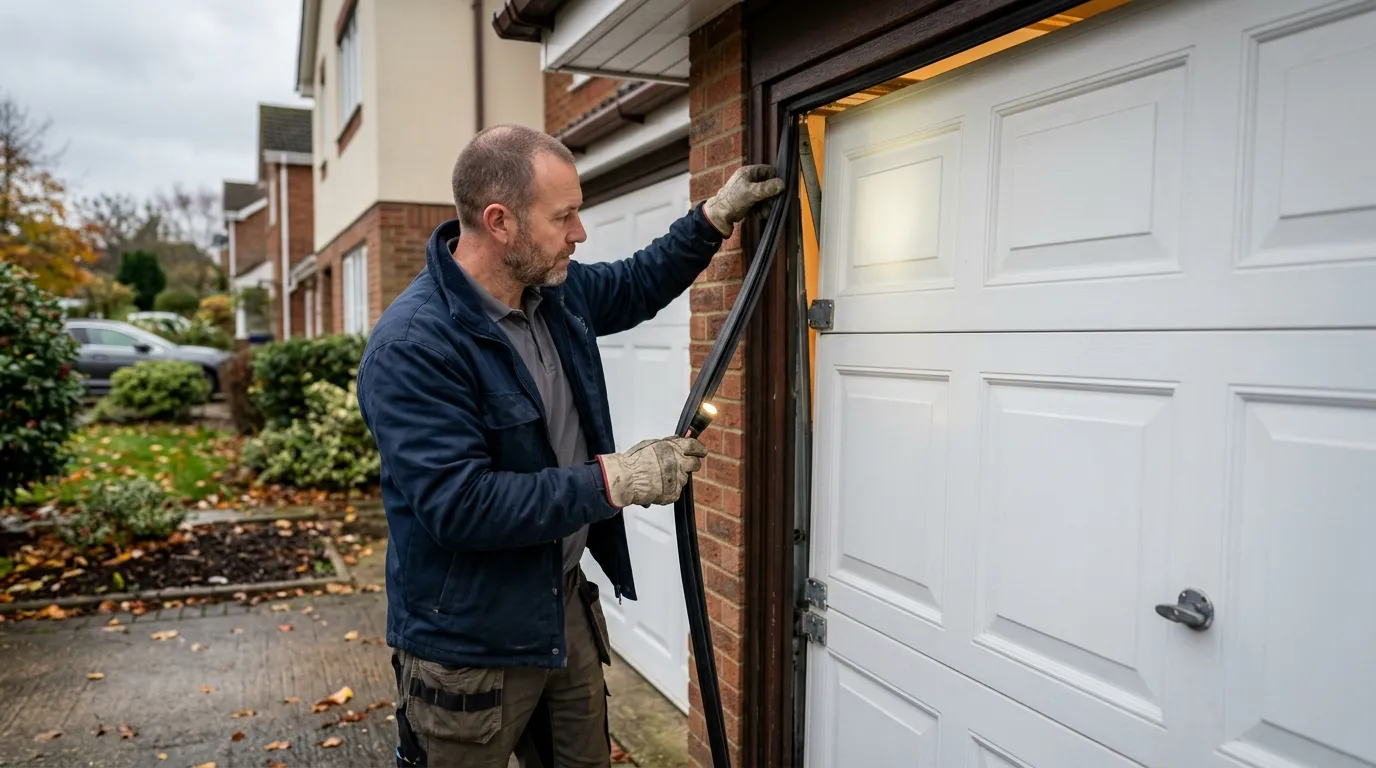
Describe the symptom - won’t open, loud bang, opener runs but the door won’t move.

On-site diagnosis - Hanford garage door service

On-site diagnosis

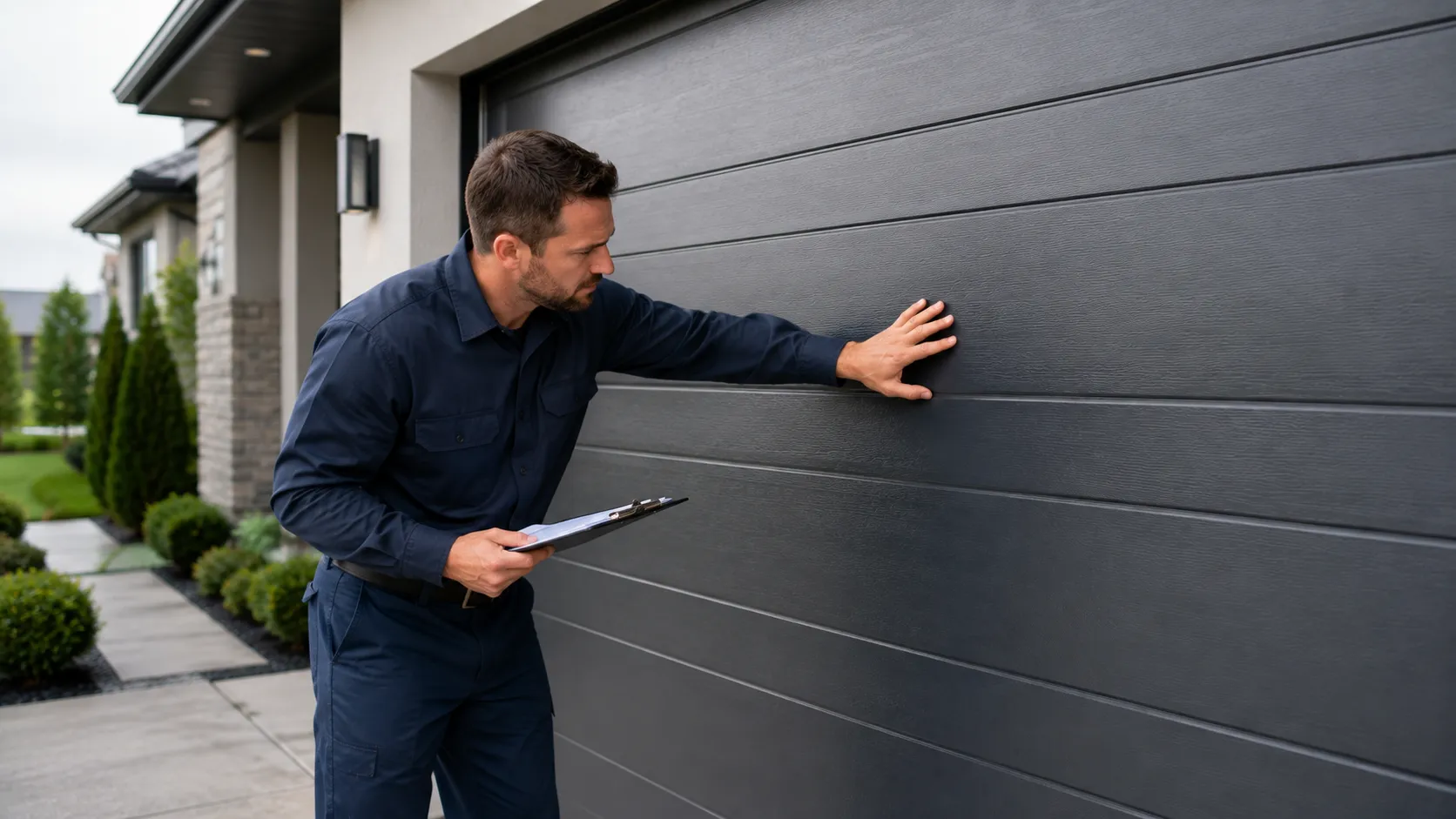
A technician tests the door under power and by hand and finds what actually failed.

Clear, up-front plan - Hanford garage door service

Clear, up-front plan

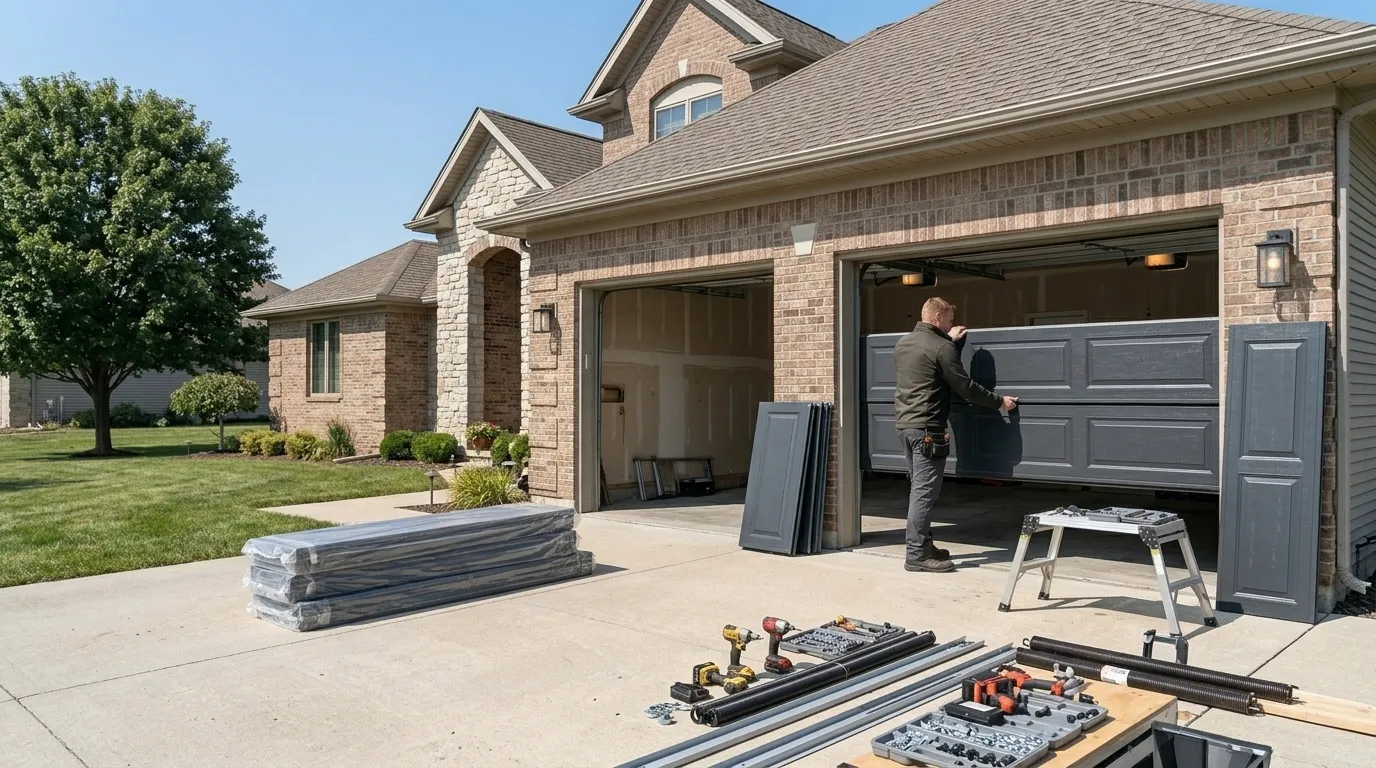
You get the fix that’s needed and what drives the cost - before any work starts.

Repaired & tested - Hanford garage door service

Repaired & tested

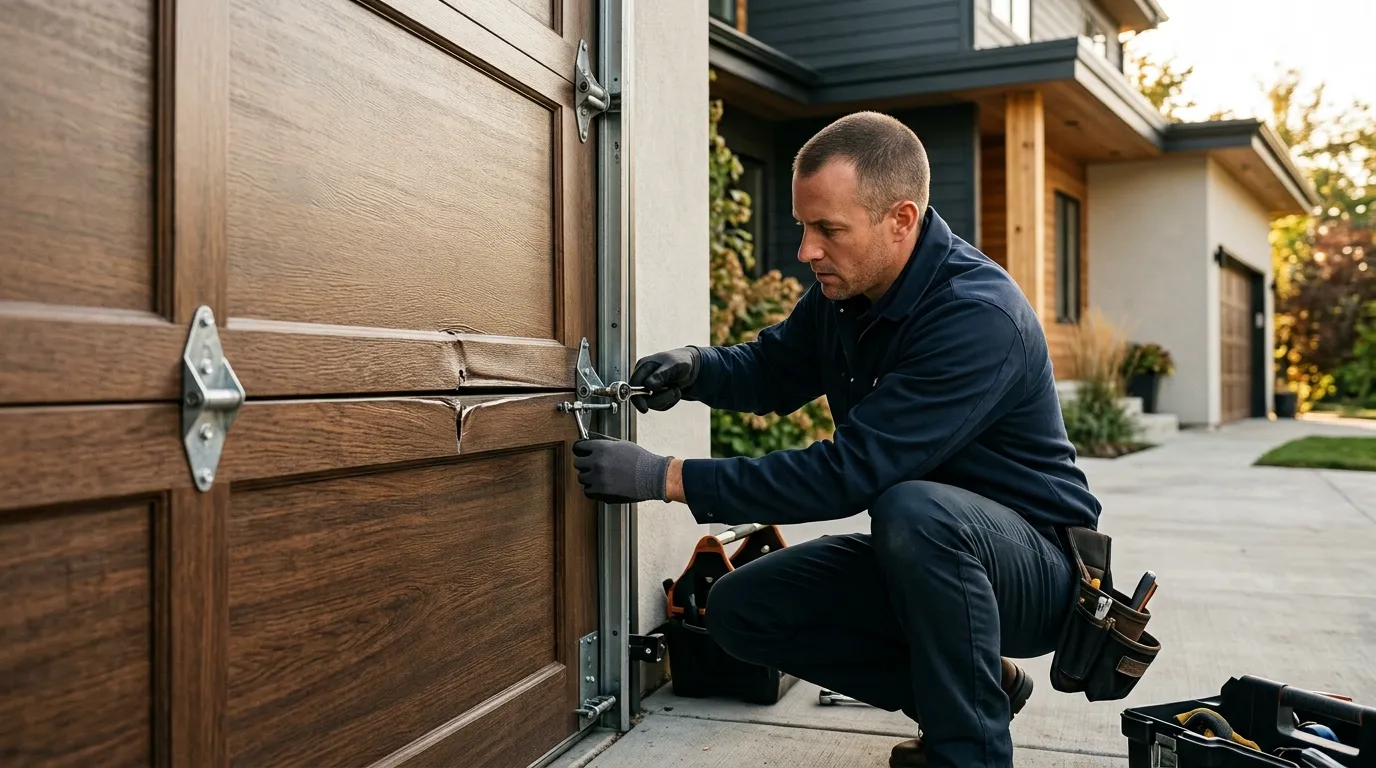
The repair is done, the door is set true and tested, and the work area left clean.

Serving Hanford, CA - tell us what your door’s doing and we’ll take it from there.

How we work

What to expect

A straight, honest approach on every Hanford job.

Diagnosis first

Every visit starts by finding what actually failed - not a pre-written parts list.

The right part for the door

Springs and openers matched to the door’s weight and age, so the fix holds up.

Straight answers

When a repair makes more sense than a replacement - or the reverse - you hear it plainly.

Clean, careful work

Tension released safely, hardware set true, the door tested under power before we leave.

Questions

Frequently asked

Straight answers about garage door repair in Hanford. Still unsure? Ask us directly.

Why does my garage door only make noise in the afternoon?

Heat. Metal tracks and torsion springs expand as temperatures climb through a Hanford afternoon, and if your house was built in the 1974-2003 range, that hardware has been through this cycle thousands of times already. The expansion changes clearance in the track or tension in the spring just enough to create a sound that wasn't there in the cooler morning hours.

Is a squeaky roller something I need to call about right away?

Not always. If it's quiet by evening and only shows up on the hottest days, it's likely just thermal movement in the track hardware, not a failing part. A steady grinding sound that doesn't go away, or a new bang, is different - that's usually a roller or spring that's actually worn, and it's worth having looked at before it fails the rest of the way.

My house was built in the early 1980s - is the original spring still on it?

It's possible, and if so it's carried four decades of heat cycling in a climate we track as severe. We can't tell you the condition without seeing it, but hardware from that build era is exactly the kind that tends to fail without warning once fatigue sets in, so a check is worth more than a guess.

Ready to get your garage door sorted?

Tell us what it’s doing and where you are in Hanford - we’ll take it from there.

Request a QuoteCall