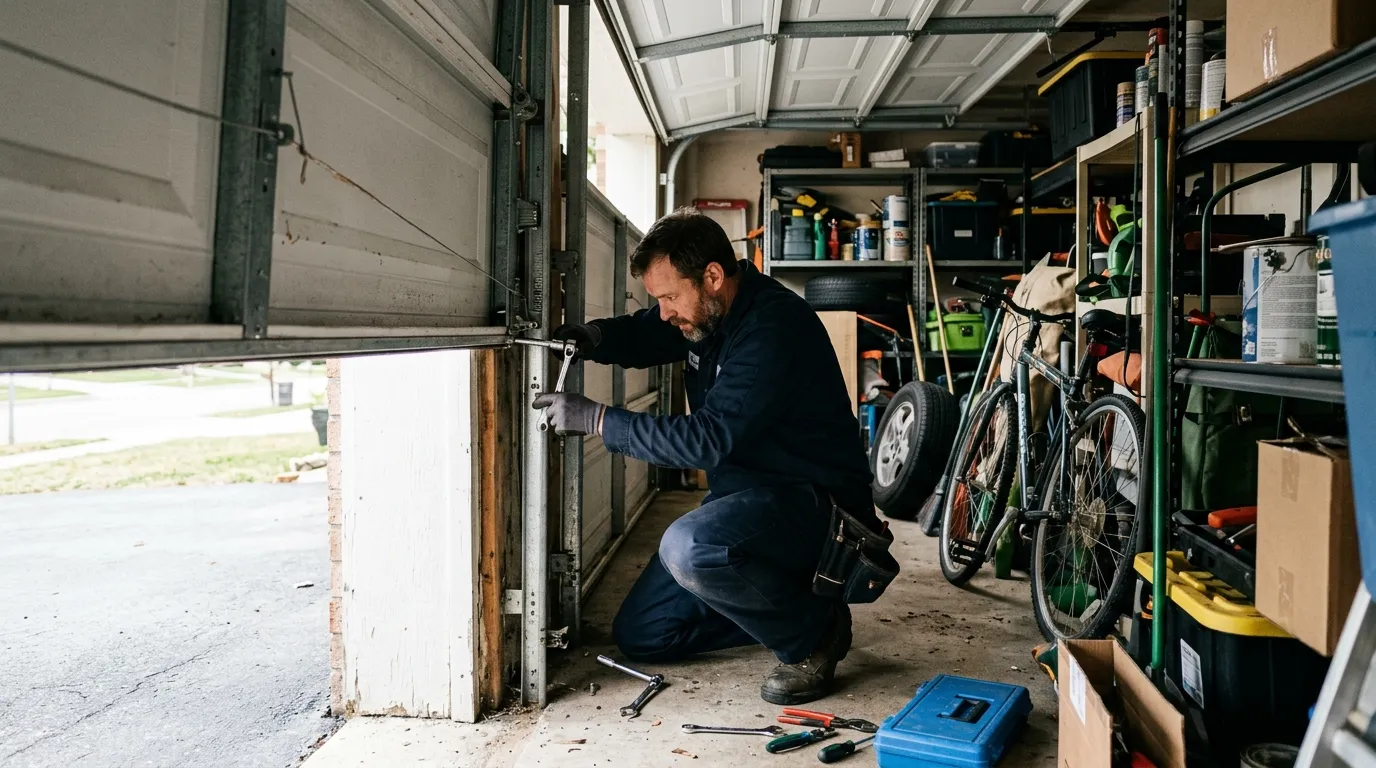
Hanford Garage Door Pros drives 17 miles to Selma for spring, opener, and track repair on homes built mostly in the late 1970s and early 1980s, common here.
Selma's housing stock centers on 1979, a touch earlier than the 1982 median we see across the wider service area we cover out of Hanford. That five-year difference matters more than it sounds like on paper - doors, springs, and opener mounts from the late 1970s use different hardware than the ones that came in through the 1980s and 90s. Selma runs about 7,642 households, a smaller slice than the 51,462 spread across the 13 communities we work in. Median household income here sits at $55,839, under the $65,781 figure for the service area as a whole, which tends to mean more owners stretching a repair a season or two longer before they replace instead of patch. Add in the severe heat this part of the valley gets every summer, and you've got steel panels that warp at the seams and springs that lose temper faster than they would in a milder climate. None of this is unique to any one street in town - it's the whole build era doing what that build era does after 45 summers.
What We Will Not Take On
We don't keep a depot in Selma. Every job here starts with a truck leaving Hanford, roughly 17 miles out, so we're not the outfit to call if you need someone standing in your driveway in twenty minutes - that's not a promise we make for this area and we won't pretend otherwise. We also won't quote a same-day repair sight unseen; torsion springs and openers from the 1979 era sometimes take a part we have to source, and telling you otherwise on the phone just sets up a bad afternoon for both of us. If a door's frame or track has warped past square, we'll say so instead of forcing a new opener onto hardware that's already fighting itself. And we're straight about when replacement beats repair - a cracked panel on a door that old is often cheaper to swap than to patch piece by piece, and we'd rather tell you that up front than bill you twice.
Old Streets and New Ones
A lot of what's on the ground in Selma dates from that 1979 build-out, and it shows in details you notice once you're looking for them: shorter driveway aprons, single-car bays on some of the older lots, and doors hung with the lighter-gauge steel that was standard before insulated panels became common. That's different from newer construction elsewhere in the service area, where doors tend to be wider, heavier, and built for double-car openings with beefier torsion setups. We don't have data on which blocks in Selma are older versus newer, so we're not going to guess at street names or neighborhoods we haven't verified - but the pattern across the wider area, where 1980s and 90s stock dominates in most of the 13 communities we serve, tells you Selma's slightly earlier build year isn't the norm around here, it's the exception. That matters when you're pricing a repair: parts for an older single-bay setup aren't always the same parts your neighbor two towns over needs for a wider door.
What the Housing Means for Your Door
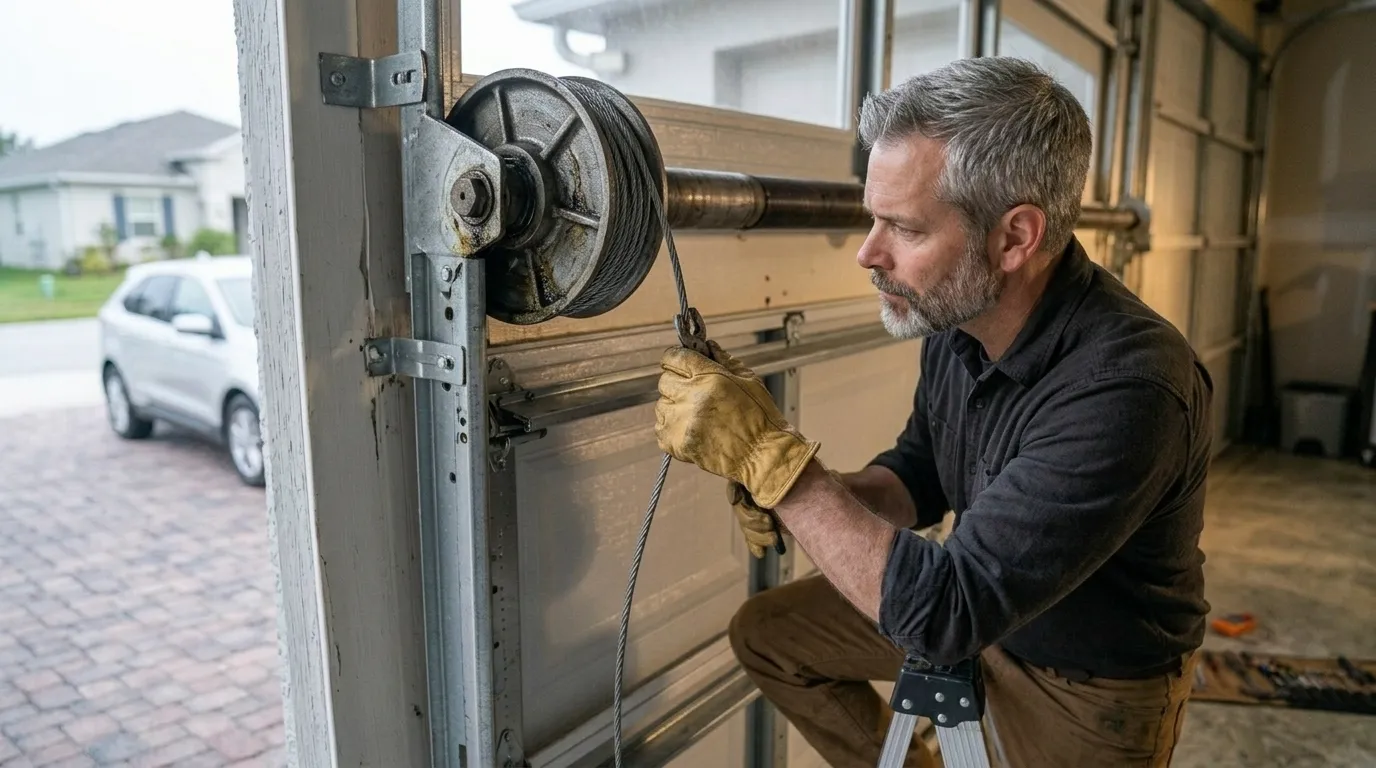
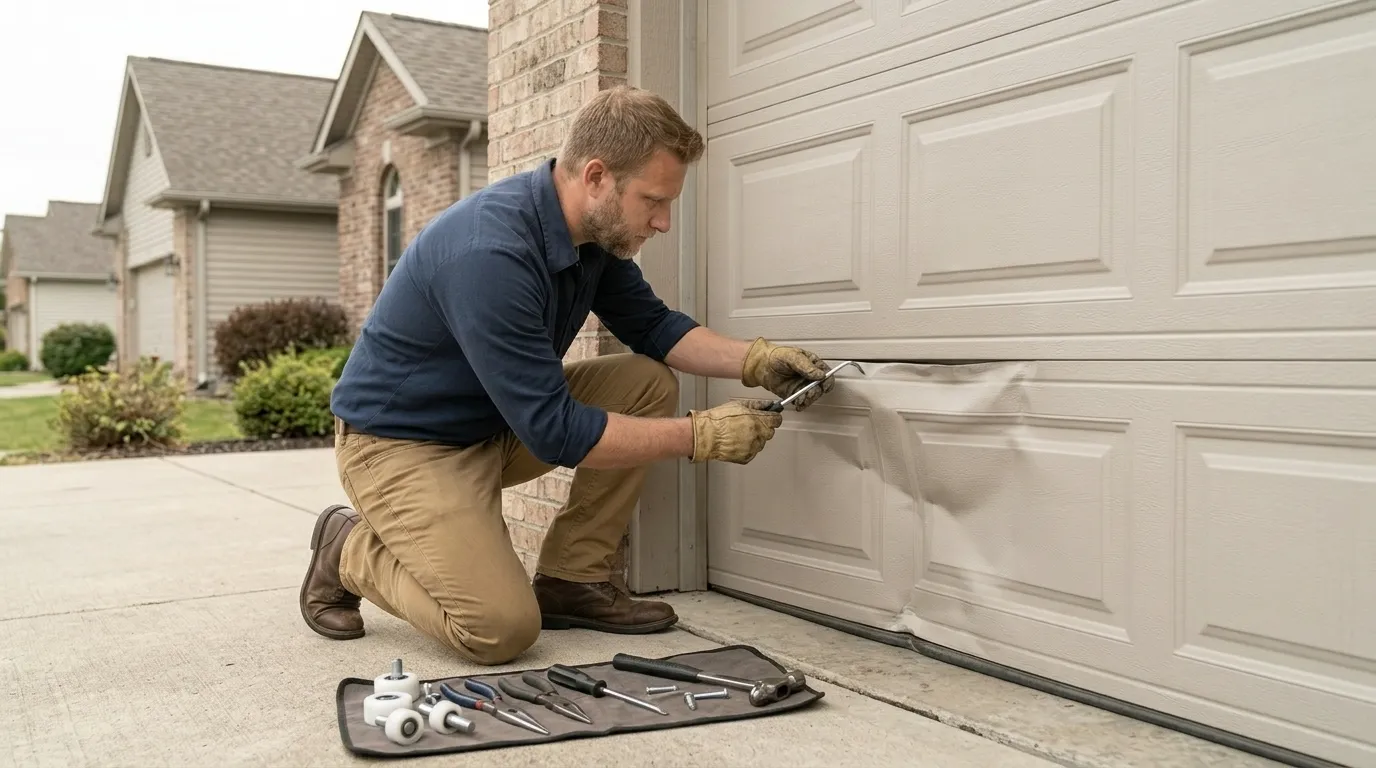
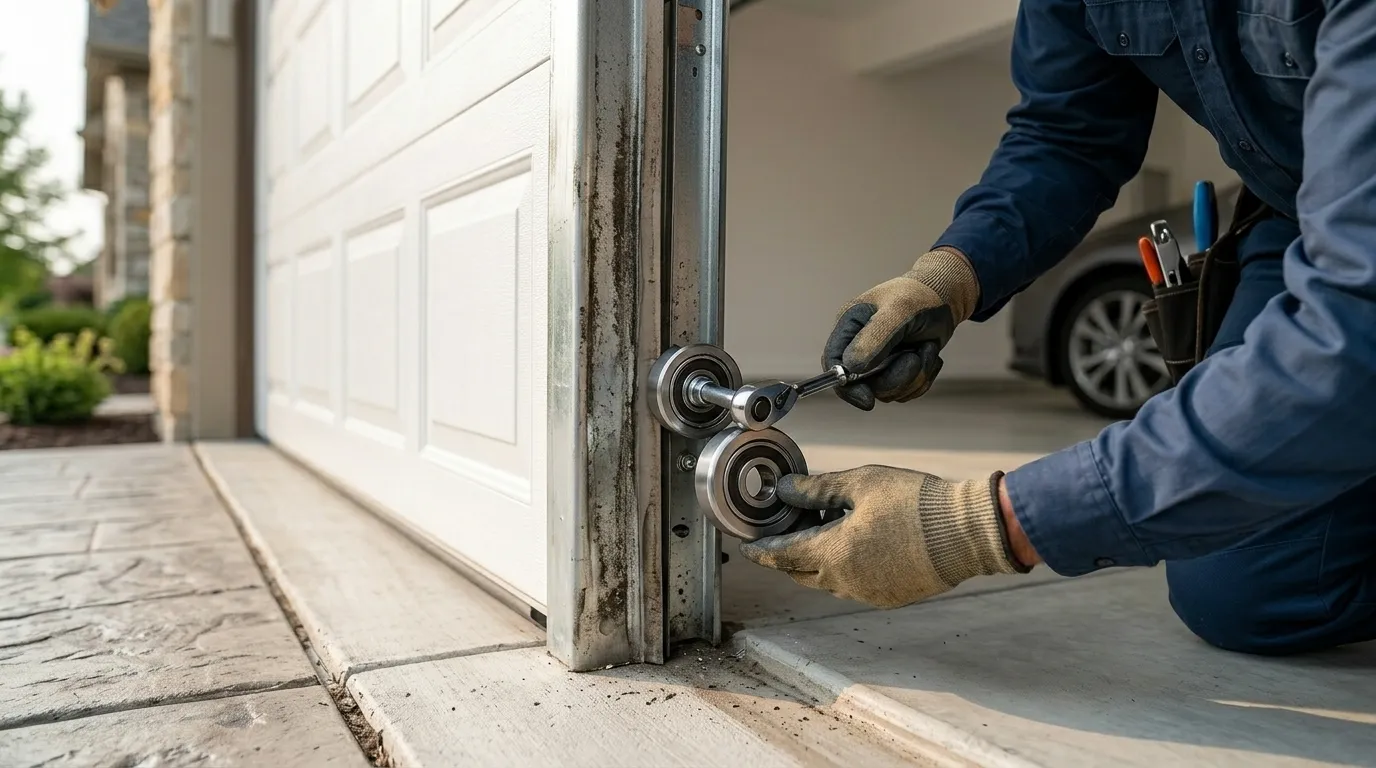
A door hung in 1979 was built for a house half a century younger than it is now, and the springs and rollers on it were never rated for the number of open-close cycles they've since seen. In severe heat, steel expands and contracts enough over a season to work bolts loose and dry out lubrication faster than a mild-climate spring would predict - that's not a Selma-specific defect, it's what this climate band does to any door built before insulated cores and sealed bearings became standard. If your opener is original to the house, the gears inside are almost certainly plastic and brittle by now; that's a common find on doors from this era, not a sign anything was done wrong. We'd rather replace a spring set with the correct cycle rating for this heat than sell you a cheaper one that fails again in August. If the door itself is original steel from '79, expect us to talk you through repair-versus-replace honestly, because at that age the math often favors a new door over one more patch.
How it works
From “it’s stuck” to “it’s fixed”
01
Tell us what’s wrong
Describe the symptom - won’t open, loud bang, opener runs but the door won’t move.
02
On-site diagnosis
A technician tests the door under power and by hand and finds what actually failed.
03
Clear, up-front plan
You get the fix that’s needed and what drives the cost - before any work starts.
04
Repaired & tested
The repair is done, the door is set true and tested, and the work area left clean.
Serving Hanford, CA - tell us what your door’s doing and we’ll take it from there.
How far out is Hanford Garage Door Pros from Selma?
About 17 miles. We don't have a depot in Selma, so every job is a drive from Hanford. That means we're upfront about scheduling rather than promising a response time we can't back up for this distance.
Why does my opener from the late 1970s keep failing?
Openers from that era typically used plastic gear sets that get brittle with age and heat cycling. Combined with the severe summer heat this area sees, gears that were fine for years start stripping without warning. Replacement is usually more reliable than repeated repair once the gears go.
Is my door too old to fix instead of replace?
Depends on the door. A door from the 1979 building wave with a cracked panel or rusted track is often cheaper to replace outright than repair piece by piece. We'll look at the specific door before recommending either way - we won't guess over the phone.
Ready to get your garage door sorted?
Tell us what it’s doing and where you are in Hanford - we’ll take it from there.